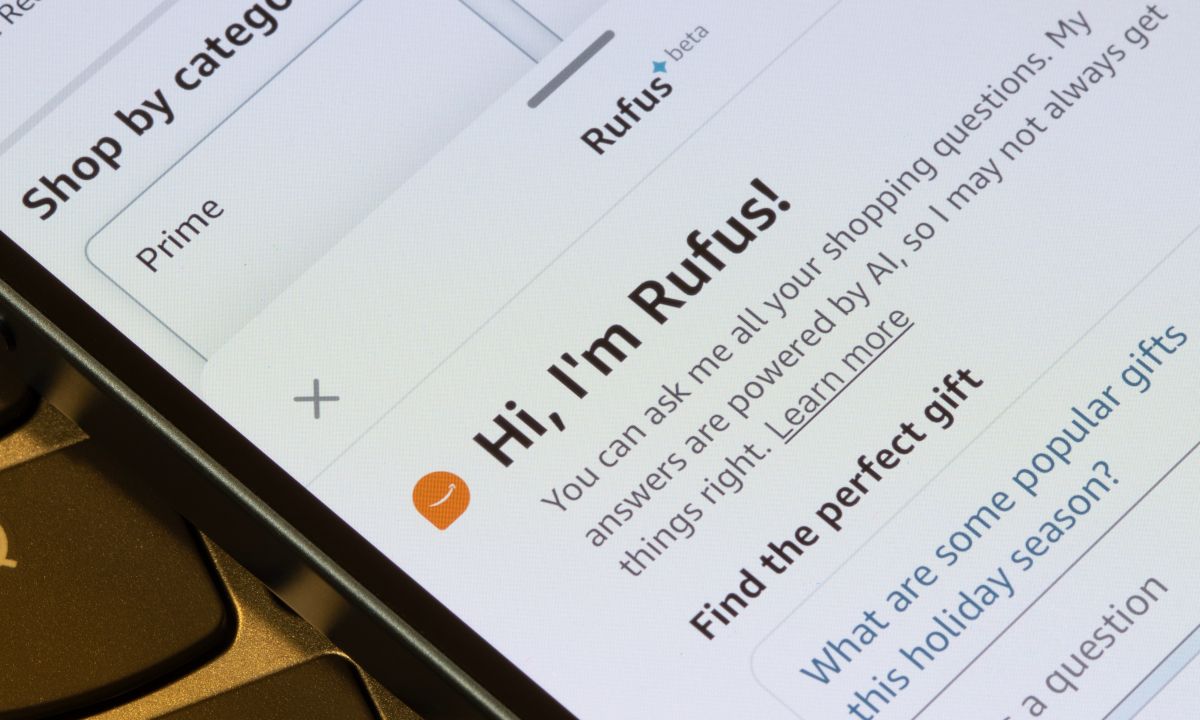
Black Friday 2025 saw unprecedented online spending, reaching nearly $12 billion as artificial intelligence (AI) tools transformed consumer shopping experiences. According to data from Adobe Analytics, this marks a 9% increase from the previous year, with AI-driven traffic to U.S. retail sites surging by a remarkable 805% compared to last year.
The introduction of AI shopping assistants, such as Walmart’s Sparky and Amazon’s Rufus, has played a pivotal role in enhancing how consumers interact with online platforms. As noted by Suzy Davidkhanian, an analyst at eMarketer, “Consumers are using new tools to get to what they need faster. Gift giving can be stressful, and large language models make the discovery process feel quicker and more guided.”
Consumer Trends and Economic Context
Despite the impressive growth, the retail sector is navigating an environment marked by cautious consumer spending. The National Retail Federation projects that shoppers will spend over $1 trillion during November and December, an increase between 3.7% and 4.2% year-over-year. This forecast, however, reflects the challenges of 2025, where traditional economic indicators feel outdated.
Research conducted by PYMNTS revealed that 26% of consumers struggled to pay their bills in September, the highest percentage in two years. Additionally, recent quarterly earnings from Walmart indicate that value remains the primary driver of consumer behavior, with many shoppers opting for digital channels to find the best deals.
As the retail landscape grapples with uneven consumer confidence, supply chain issues, and a macroeconomic environment that remains unstable, leaders like Walmart and Amazon are adopting a proactive approach. PYMNTS emphasizes that “the only certainty is the one you build yourself,” suggesting that retailers must innovate continuously to attract customers.
Future of Holiday Shopping
Looking ahead, insights from OpenAI’s ChatGPT indicate that online shopping will continue to dominate holiday spending. The AI chatbot predicts that the use of AI-powered search functions, retailer chat assistants, and personalized deals will significantly enhance the shopping experience. Yet, it also notes a potential increase in foot traffic to physical stores for activities such as apparel try-ons, electronics demonstrations, and last-minute purchases.
This hybrid shopping behavior aligns with findings from PYMNTS, revealing that while consumers browse online, they often visit brick-and-mortar stores to finalize their purchases. As the holiday season progresses, the interplay between digital and physical shopping channels will likely shape the retail landscape, revealing new opportunities and challenges for retailers and consumers alike.