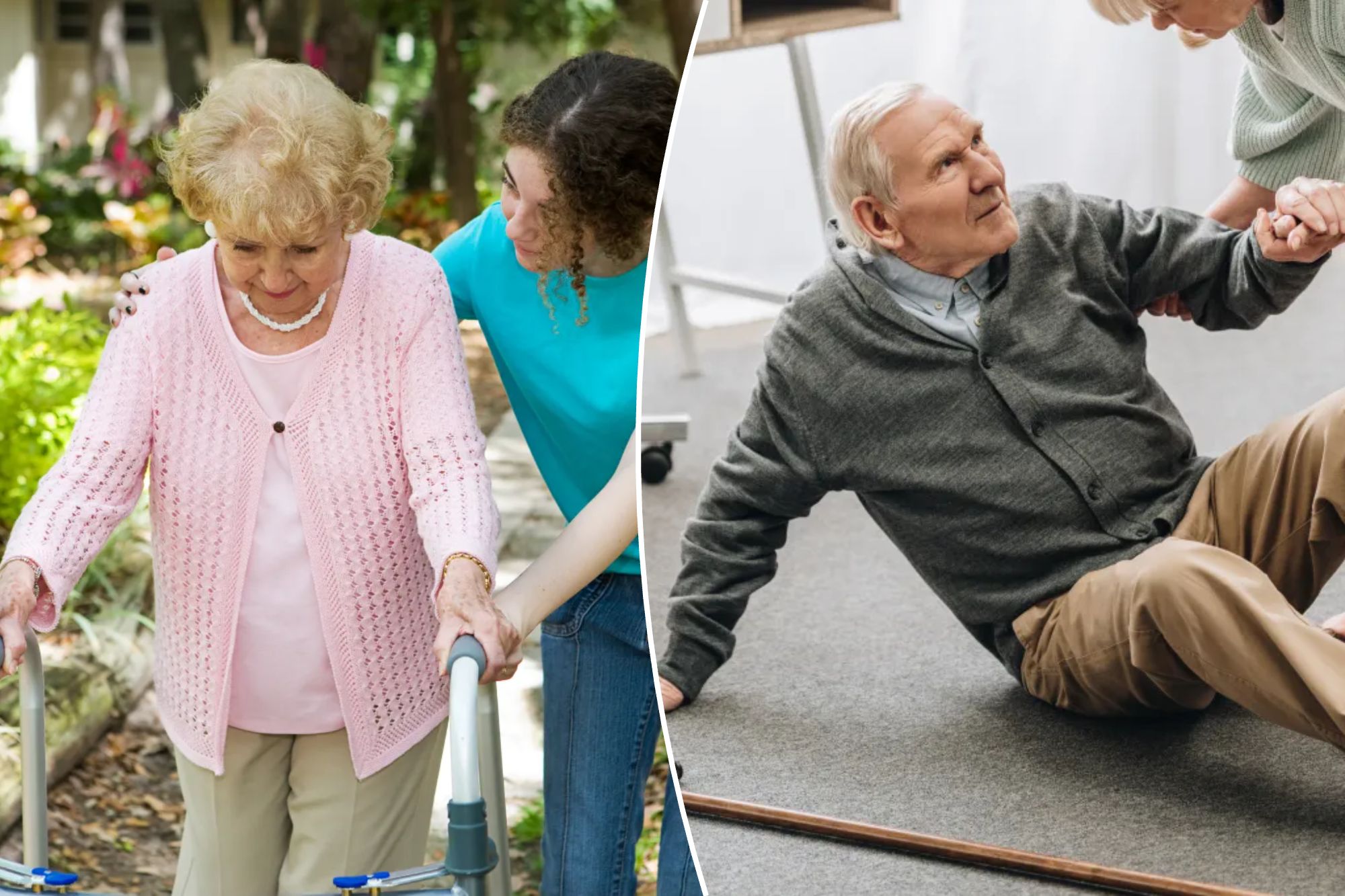
New research from Dalhousie University in Canada has pinpointed a critical age when the human body struggles to recover from illness and injury. The study reveals that individuals typically begin to experience a decline in recovery ability around the age of 75, regardless of their prior health status.
Researchers evaluated the health of nearly 13,000 participants, whose average age was 67, utilizing over 30 health attributes, including chronic diseases and cardiovascular conditions. A key tool in this research was the Frailty Index, which measures the number of health deficits an individual experiences. The findings indicate a well-known trend: as age increases, functional capacity decreases.
By employing a new mathematical model of human aging, the researchers focused on two significant areas: adverse health events, such as illness or injury, and the corresponding recovery times. As expected, both recovery times and health setbacks increased with age. However, the researchers identified a specific age range—between 73 and 76 years—where recovery rates no longer kept pace with health challenges.
“We infer that robustness and resilience mitigate environmental stressors only up to an age of 75, beyond which health deficits will increasingly accumulate, leading to death,” the researchers stated in their study.
The aging process, as it turns out, may be more pronounced than commonly perceived. Additional studies have indicated that different body parts undergo significant aging at various intervals. A separate study conducted in 2024 revealed that two critical transitions occur at an average age of 44 and again around 60. Furthermore, tissues and organs begin to age more rapidly after reaching 50 years of age.
While the implications of these findings may seem daunting, the researchers emphasize that early interventions can help mitigate risks. They suggest that reducing stressors before reaching the tipping point can be advantageous, as “crossing the tipping point dramatically increases risk for and accumulation of health deficits if stressors are not reduced.”
Adopting healthy habits prior to reaching this critical age can be more beneficial than attempting to reverse declines later. Regular physical activity, a balanced diet, and proactive health measures can contribute to maintaining well-being. Additionally, engaging in strength and balance exercises, along with routine checks for hearing and vision, can further lower the risk of injury as individuals age.
Overall, the research underscores the importance of early health interventions and lifestyle choices in managing aging effectively. By doing so, individuals may enhance their quality of life and improve their ability to recover from health setbacks as they navigate the challenges of aging.