The recent boycott initiated by over 1,000 musicians, who have pledged to prevent their music from being streamed in Israel under the campaign titled “No Music For Genocide,” has drawn significant attention and criticism. This movement coincides with ongoing tensions in the region, particularly following a devastating terrorist attack in Israel and subsequent violent conflicts that have lasted for years. The boycott raises questions about the effectiveness of music as a tool for change and the potential consequences of isolating a nation in crisis.
While the intention of these artists may be to express solidarity with the people of Gaza, the implications of their actions have sparked a debate about the role of music in bridging divides rather than deepening them. Many argue that denying access to music, especially from popular artists like Paloma Faith and Lorde, will not significantly influence political leaders like Israeli Prime Minister Bibi Netanyahu or provide relief to those suffering in Gaza.
The campaign aims to generate awareness and fundraising efforts for humanitarian aid through the reimagining of a Palestinian song, yet the strategy has been criticized for its potential to alienate those on both sides of the conflict. The sentiment among critics is that music should serve as a unifying force, capable of transcending boundaries rather than reinforcing them. As the late Chief Rabbi Lord Jonathan Sacks eloquently stated, “Words are the language of the mind. Music is the language of the soul.”
Missed Opportunities for Dialogue
By singling out Israeli musicians and politically active figures, such as Dudu Tassa, who has collaborated with Jonny Greenwood of Radiohead, the campaign risks undermining the important work done by those advocating for peace. Tassa’s album, which includes contributions from Palestinian artists, embodies a message of friendship and coexistence, yet such initiatives often go unnoticed amidst broader narratives.
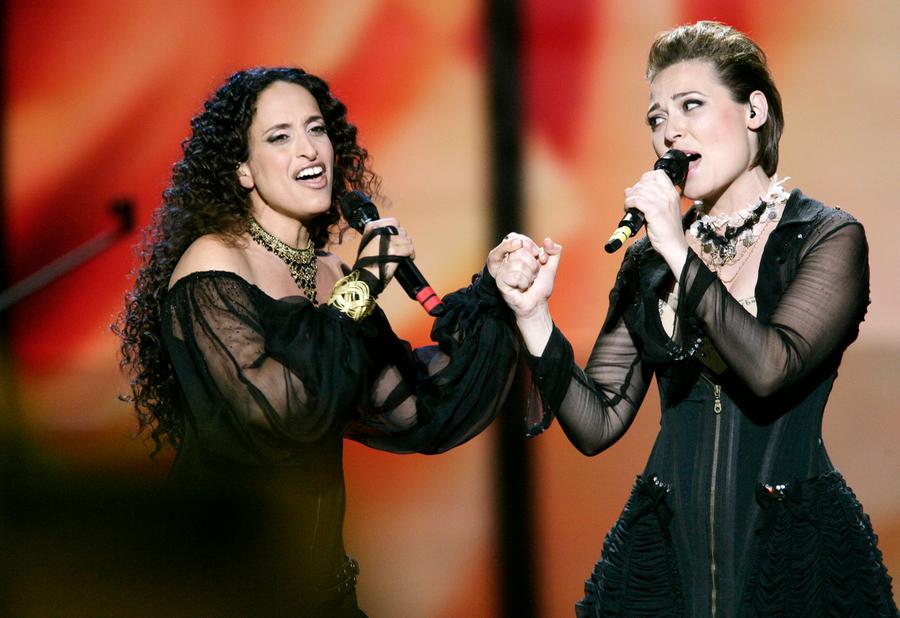
Organizations like the New Israel Fund, which supports numerous NGOs dedicated to human rights for all individuals in the region, also highlight the complexities of the situation. Their efforts include promoting collaboration between Israeli and Palestinian artists, such as Mira Awad, who has worked with Israeli singer Noa on projects aimed at fostering mutual understanding.
Unfortunately, the current boycott approach appears to overlook these initiatives, focusing instead on a binary perspective that simplifies a multifaceted issue into a stark good-versus-evil narrative. This lack of nuance fails to recognize the shared humanity of those affected by the ongoing conflict.
The Power of Music in Conflict Resolution
Historically, music has played a vital role in movements for peace. Iconic songs like John Lennon’s “Give Peace a Chance” and Bob Dylan’s “Blowin’ in the Wind” have resonated deeply with audiences seeking harmony amidst turmoil. Rather than perpetuating division, music can be a powerful vehicle for dialogue, empathy, and healing.
As Israel prepares for the Eurovision Song Contest, the legacy of past performances, such as the collaboration between Awad and Noa in 2009, serves as a reminder of what is possible when artists choose to unite rather than divide. Their performance of “There Must Be Another Way,” sung in Hebrew, Arabic, and English, conveyed a poignant message of shared sorrow and hope.
The ongoing conflict between Israelis and Palestinians has created a cycle of suffering that both communities are eager to escape. Many individuals on both sides desire a future free from violence, where understanding and cooperation can thrive. The current boycott, while well-intentioned, may ultimately hinder rather than help the cause for peace.
In conclusion, while artists may seek to use their platforms to advocate for justice, turning off music and excluding voices only serves to perpetuate isolation and misunderstanding. As the situation in the region remains precarious, it is crucial for all stakeholders to consider approaches that foster dialogue and promote a shared vision for peace.