Back tension can significantly impact daily life, making even simple movements uncomfortable. Many individuals experience this discomfort, which can lead to a desire to remain inactive. To address this common issue, certified yoga therapist Jillian Pransky has provided two effective yoga poses designed to relieve back tension and restore mobility.
Understanding the root of back tension is crucial in addressing it effectively. While factors such as aging and prolonged sitting can contribute to discomfort, Pransky highlights that stress plays a significant role. The psoas muscle, which connects the legs to the spine, is particularly affected by stress. “When we feel overwhelmed, the psoas contracts to help us fight or flee,” Pransky explains. This constant activation can lead to tightness and discomfort.
The two exercises Pransky recommends are rooted in restorative yoga, a style focused on relaxation and gentle movement. These poses specifically target the psoas, helping to release tension in the back and promote overall well-being.
Effective Yoga Poses for Back Relief
1. **Sphinx Pose & Crocodile Pose**
Begin on your belly in Sphinx Pose, positioning your forearms on the ground and lifting your chest. Allow your hips to remain heavy while you inhale deeply. Progress to Crocodile Pose by bending one knee out to the side, resting your cheek on the ground. Focus on your breath as it moves through your pelvis and spine. Repeat this sequence for two to three rounds before switching sides.
This combination of poses works by calming the psoas muscle, which is often a source of back tightness. The Sphinx Pose gently stretches the front of the body while supporting the spine, and the Crocodile Pose encourages complete relaxation. “In this moment, the body can fully surrender, reinforcing the relaxation response and relieving lingering tension,” Pransky notes.
2. **Child’s Pose**
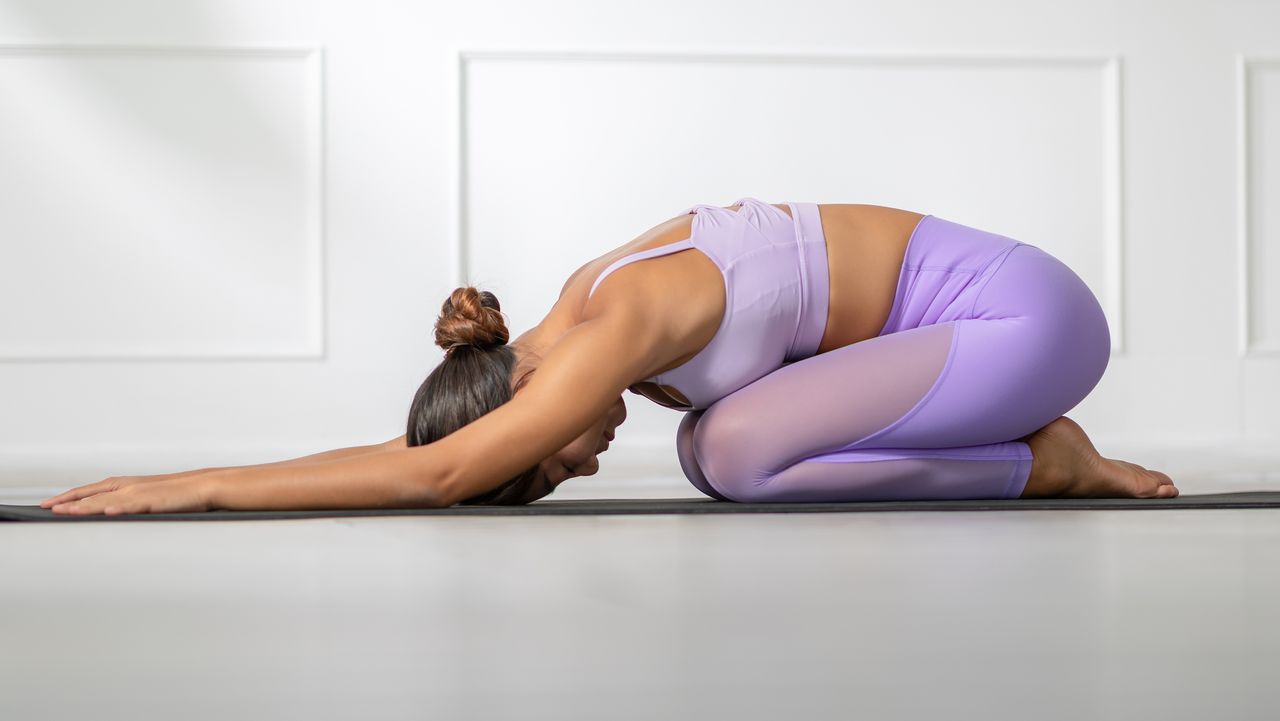
Transition to Child’s Pose by kneeling with your big toes touching and knees apart. Extend your arms forward as you lower your torso between your thighs, resting your forehead on the mat. Hold this position for one to three minutes, concentrating on softening areas of tension.
This pose serves as a gentle way to ease discomfort in the lower back and hips. Although it does not directly stretch the psoas, it promotes relaxation in surrounding areas, allowing the muscle to release indirectly. As Pransky explains, “Child’s Pose helps integrate the effects of previous movements while offering grounding and a sense of security.”
Conclusion
Incorporating these two yoga poses into your routine can provide significant relief from back tension. By focusing on the psoas and promoting relaxation, individuals can enhance their mobility and overall comfort. With the rise of sedentary lifestyles, understanding and addressing back tension is more important than ever. As Pransky’s insights illustrate, simple restorative exercises can make a meaningful difference in managing and alleviating discomfort.