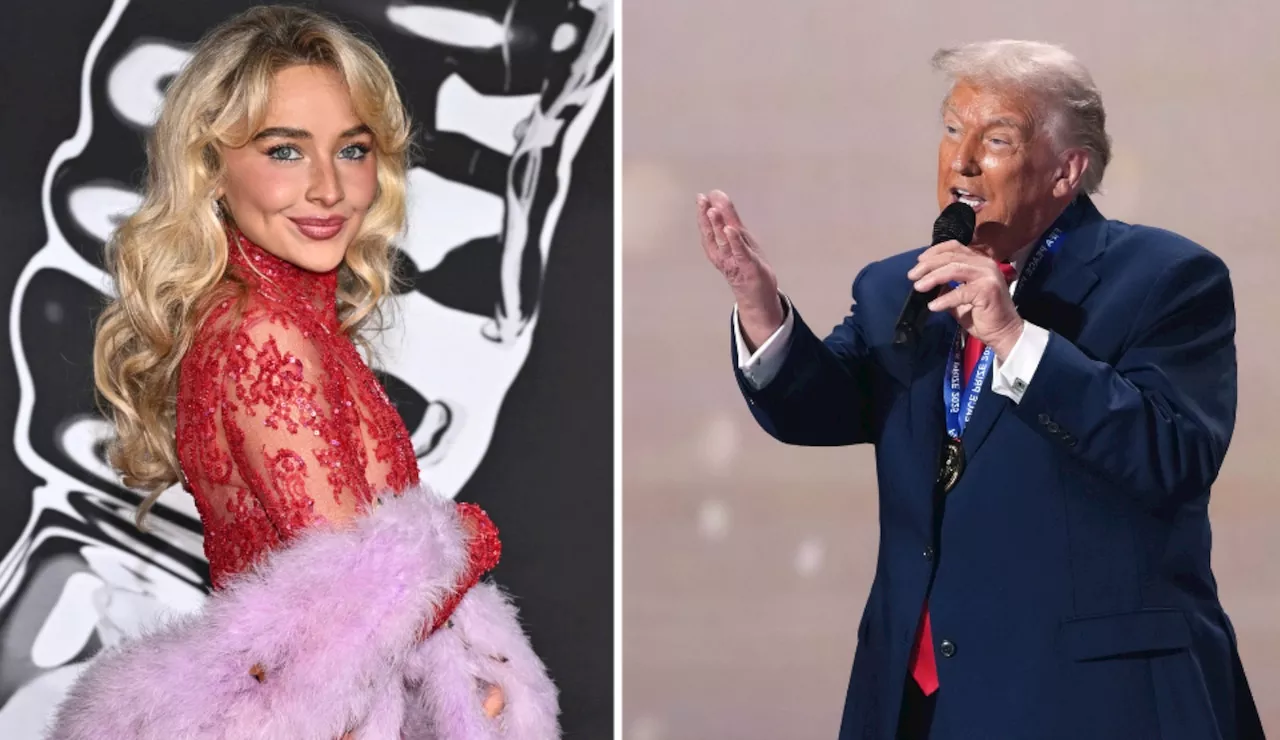
Pop star Sabrina Carpenter compelled the White House to remove a controversial video after she condemned its use of her song “Juno” in a clip depicting immigration enforcement actions. The video, which showcased agents from the Immigration and Customs Enforcement (ICE) tackling individuals, sparked outrage among Carpenter’s fans and led to her outspoken criticism on social media.
Carpenter labeled the video as “evil and disgusting,” urging the White House to refrain from involving her music in what she described as a “inhumane agenda.” Her response, shared widely on X, highlighted the emotional weight of the issue, reflecting a growing concern about the portrayal of immigration enforcement in media.
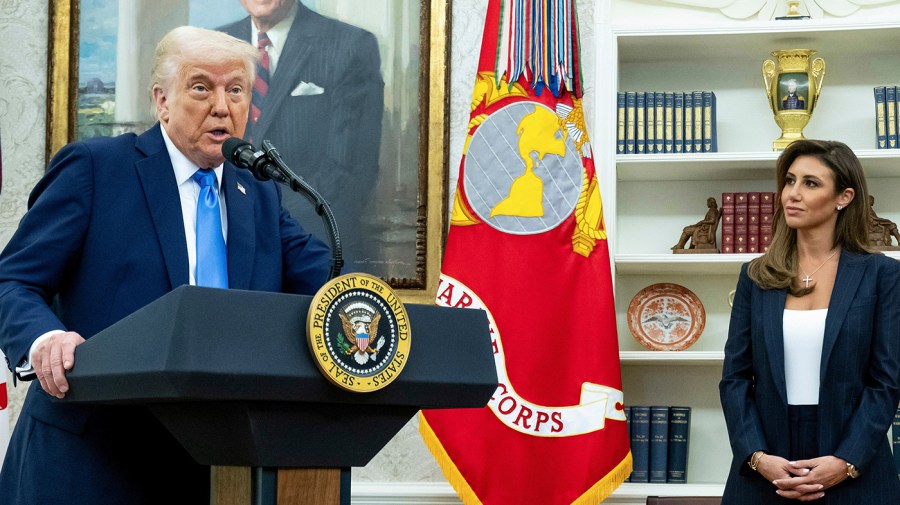
In response to the backlash, Abigail Jackson, a spokeswoman for the White House, initially defended the video and the use of Carpenter’s song. During her statement, she manipulated the lyrics of “Juno” to suggest that Carpenter was supportive of the administration’s actions. She stated, “Here’s a Short n’ Sweet message for Sabrina Carpenter: we won’t apologize for deporting dangerous criminal illegal murderers, rapists, and pedophiles from our country.”
The controversy escalated further when the White House released a new video featuring audio that appeared altered to misrepresent Carpenter’s lyrics, substituting the phrase “too hot” with “too illegal.” This tactic drew additional criticism, as it appeared to disregard Carpenter’s concerns and amplify the conflict.
The incident has ignited discussions about the intersection of music, politics, and social issues, particularly in how public figures can impact political narratives. Carpenter’s passionate defense of her artistic integrity resonated with many, reflecting a broader movement among artists to take a stand against the appropriation of their work for political ends.
As this situation continues to develop, it underscores the significant role that celebrities and their platforms play in shaping public discourse. Carpenter’s decisive action against the use of her music has not only called attention to her own artistic rights but also to the larger implications of how media representations can influence public perception of critical issues like immigration.
The White House’s engagement in this dispute has implications for its public relations strategy and highlights the potential consequences of using popular culture as a tool for political messaging. As the dialogue unfolds, both Carpenter and the White House will likely feel the effects of this high-profile clash, setting a precedent for future interactions between artists and political entities.