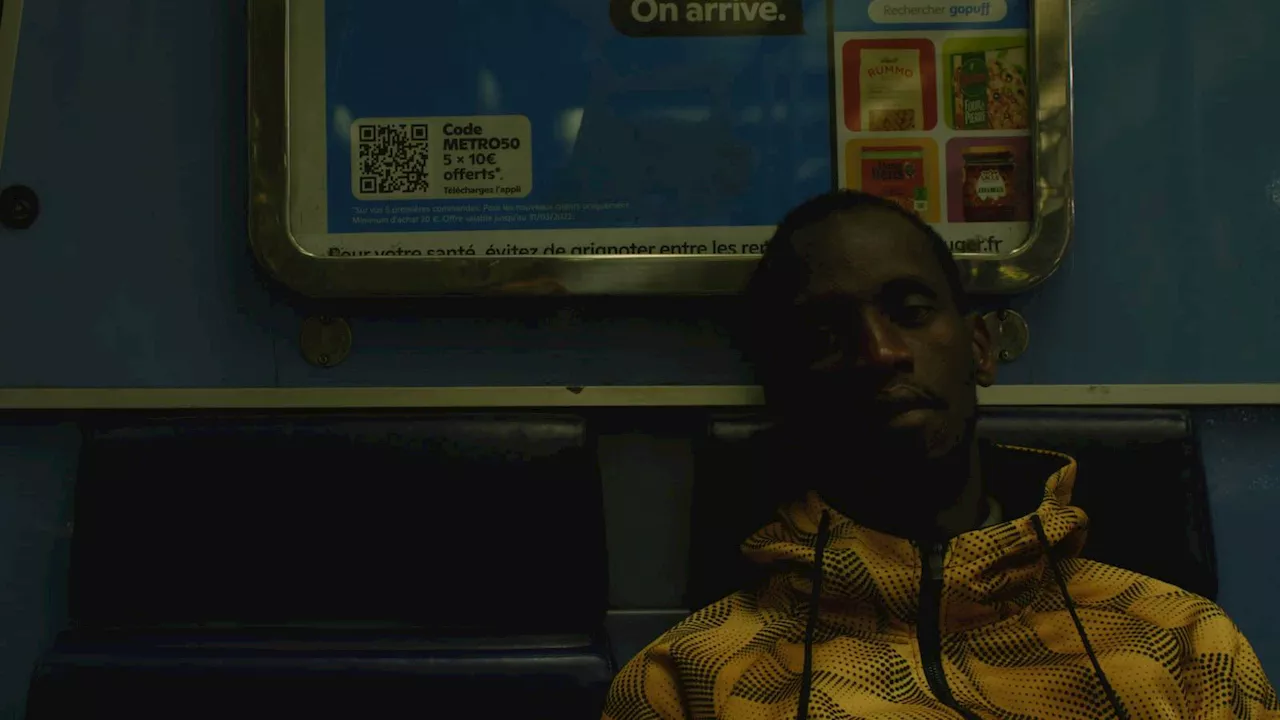
In a poignant exploration of migration, Sam Abbas’ documentary Europe’s New Faces provides a stark counter-narrative to the often sensationalist portrayal of migrants in Europe. The film delves into the experiences of those who have journeyed from the Global South, particularly focusing on African migrants who find themselves trapped in precarious living conditions while awaiting their fates in Europe.
Humanizing the Migrant Experience
Director, editor, and producer Sam Abbas aims to present a balanced depiction of migrants, challenging the notion that they are simply “hordes” or potential criminals. Instead, Abbas highlights their humanity, illustrating that they are individuals seeking dignity and a better life. The film begins with a striking scene juxtaposing a French nationalist’s off-screen commentary, which labels migrants as threats, against the image of a woman nurturing her newborn. This sets the tone for a documentary that seeks to humanize its subjects.
Abbas employs a documentary style reminiscent of fellow filmmaker Frederick Wiseman, allowing the camera to observe rather than intrude. Through the lens, viewers witness the daily lives of migrants in Parisian squats, where shared kitchens and cramped quarters foster a sense of community amid uncertainty. The film’s opening section, titled “Land & Integration,” captures intimate moments such as families cooking together, children at play, and individuals navigating the challenges of life in limbo.
Despite the heavy subject matter, Abbas presents these scenes with warmth and authenticity. For instance, a woman washes dishes while listening to music from her homeland, and a man explains the rules of checkers to children. These moments of normalcy serve to remind viewers that beneath the struggles of migration lie ordinary lives filled with hope and resilience.
Confronting Harsh Realities
Abbas does not shy away from the harsh realities faced by migrants. One powerful scene depicts a young man’s phone call home, revealing the difficulties in accessing medical care. The film captures a group discussing strategies to combat eviction notices, underscoring the constant threat of instability. Perhaps the most harrowing moment occurs during an emergency cesarean section, highlighting the life-and-death stakes these individuals confront.
As the documentary transitions to its second section, “Sea & Passage,” Abbas shifts focus to the perilous journeys undertaken by migrants. He juxtaposes scenes of volunteers from Médecins sans frontières preparing for rescues at sea with moments of respite, such as crew members engaging in games of foosball. This contrast effectively illustrates the duality of hope and despair inherent in the migrant experience.
While the film’s pacing may feel slow at times, its methodical approach allows for reflection on the depicted lives. Abbas’ decision to keep many subjects nameless and faceless adds a layer of complexity, forcing viewers to engage with their stories on a deeper level. By focusing on the act of listening and observing, Abbas argues for the simple dignity that all migrants deserve.
Palestinian activist and author Mohammed El-Kurd critiques the notion of the “perfect victim,” suggesting that migrants should not have to endure extreme hardship to be viewed as deserving of dignity. Abbas’ film reinforces this idea by presenting everyday lives filled with both struggles and moments of joy. Through careful observation, the documentary invites audiences to acknowledge the humanity of migrants, revealing their stories as an essential part of the broader narrative of migration.
Ultimately, Europe’s New Faces serves as a reminder that the act of witnessing is a form of solidarity. By allowing viewers to engage with the lived experiences of migrants, Abbas fosters a deeper understanding of what it means to be human in a world defined by movement and waiting.