Lawmakers in the United States have reached a compromise on the Fiscal Year 2026 National Defense Authorization Act (NDAA), which includes significant funding provisions for key military programs. Released late on Sunday, the bill proposes to increase the Pentagon’s budget by $8 billion beyond the initial request made by the previous administration. If enacted, this legislation will shape various aspects of defense policy, although final funding allocations will ultimately depend on congressional appropriators.
Key Provisions Impacting Aerospace and Defense
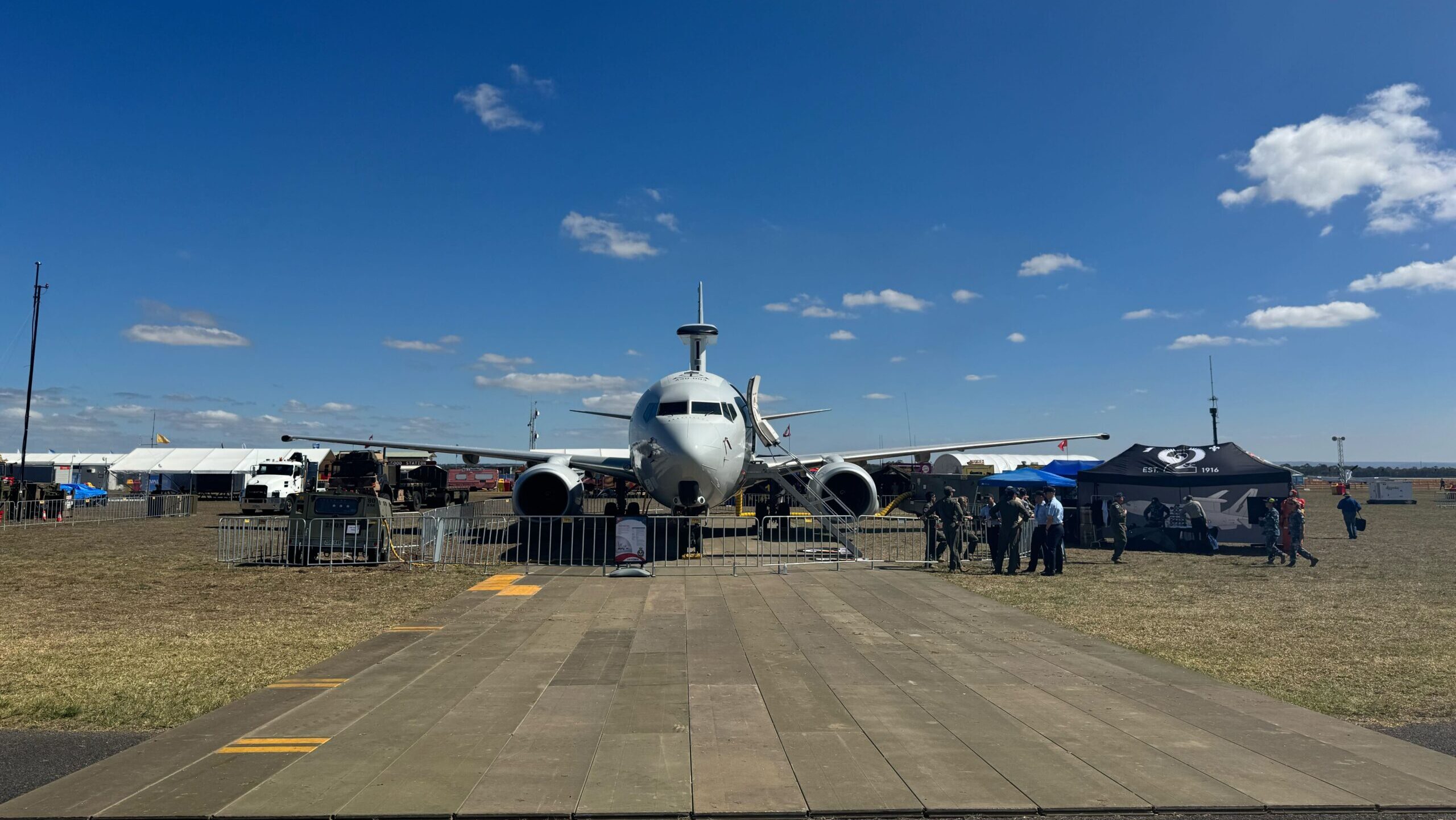
Among the most discussed elements of the NDAA is the future of the E-7 Wedgetail program, which has faced considerable opposition this year. Lawmakers included provisions aimed at ensuring the continuation of this radar aircraft’s development, allocating $846.7 million for its procurement. The bill also addresses the C-40 program, earmarking $250 million for a new VIP transport jet, while mandating a Pentagon-wide review of airlift capabilities by April 2026.
The NDAA introduces significant changes to the Air Force’s air refueling strategy. It requires maintaining a minimum inventory of 502 tankers by October 2028, an increase from the current requirement of 466. Additionally, it aims to preserve retired tankers in storage, despite plans to divest the KC-10 Extender. The legislation also halts the retirement of F-15E aircraft and slows down the planned phase-out of the A-10 fleet. Notably, while it does not allocate funds for additional F-35 Joint Strike Fighters, it increases funding for spare parts procurement, including $250 million for F-35As and $125 million each for F-35Bs and Cs.
Army Initiatives and Future Procurement Plans
The NDAA grants the U.S. Army new multiyear procurement authority for the Black Hawk UH-60, beginning in fiscal year 2027. This development follows the Army’s ongoing transformation efforts, which have seen cuts to its aviation portfolio in favor of the Future Long-Range Assault Aircraft (FLRAA) program. Army Secretary Dan Driscoll and Chief of Staff Gen. Randy George have previously downplayed the Black Hawk’s future, focusing instead on advancing FLRAA production.
However, the Army’s Program Acquisition Executive of Maneuver Air, Maj. Gen. Clair Gill, recently stated that Black Hawks will remain operational for the foreseeable future, emphasizing their modernization. The NDAA aligns with this outlook by allocating an additional $100 million for Black Hawk modernization efforts. Furthermore, the bill allows for early production contracts for FLRAA, with Driscoll required to report to Congress within 180 days after the NDAA’s enactment. This report will outline the implementation plan, industrial base readiness, and projected cost savings from the early production effort.
This compromise NDAA reflects a broader commitment to enhancing military capabilities and ensuring that critical defense programs receive necessary support, even as budget discussions continue. The final outcomes will depend on how appropriators navigate the funding landscape in the upcoming budget process.