The possibility of a new Scottish Enlightenment is gaining traction as prominent commentators weigh in on the cultural and intellectual revival that could shape Scotland’s future. In a response to fellow writers, Fraser Nelson argued that the conditions are ripe for a resurgence of innovative thought and creativity in Scotland, much like the influential period of the 18th century.
Nelson’s remarks follow discussions initiated by Barton Swaim and Allan Massie, who have explored the potential paths for Scotland’s intellectual rejuvenation. He emphasizes that Scotland possesses a unique mixture of historical context, educational resources, and a vibrant cultural landscape that could foster this new awakening.
Historical Context and Modern Implications
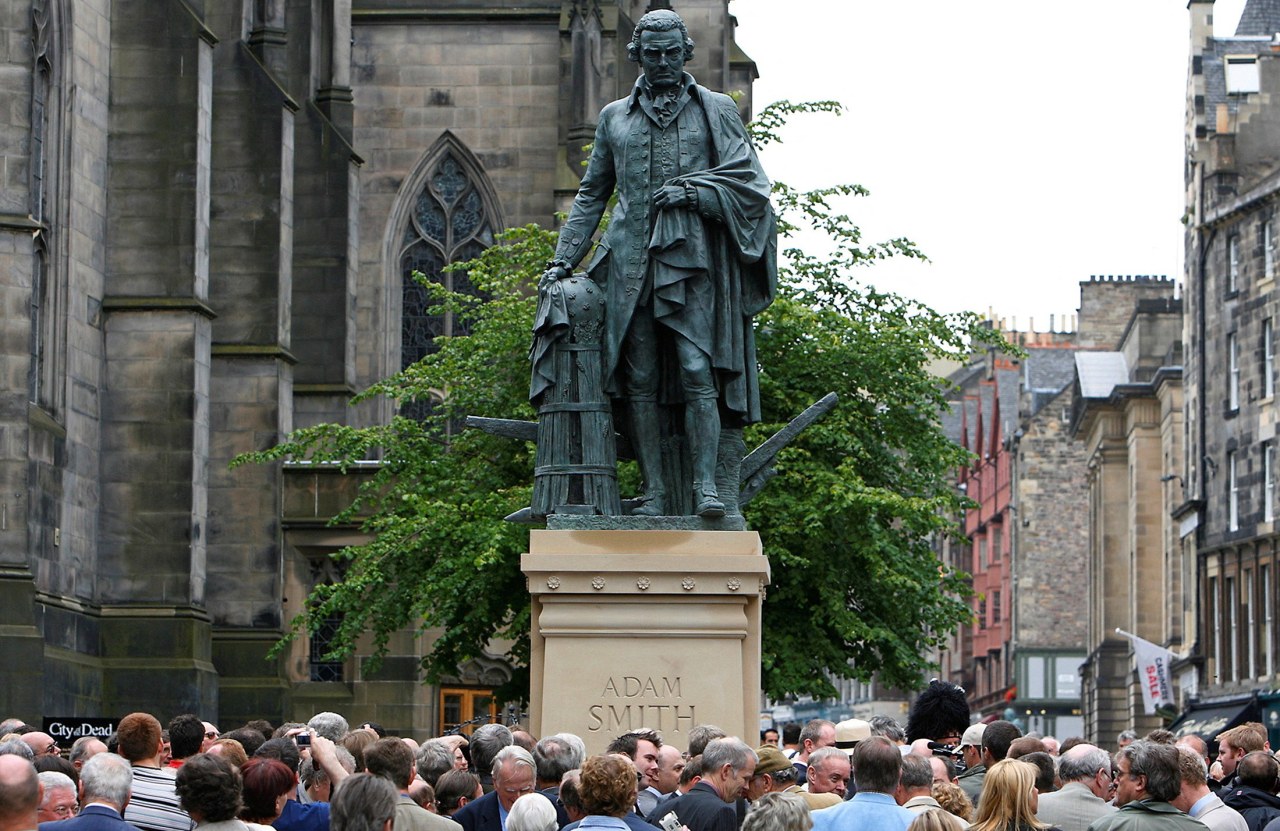
The original Scottish Enlightenment, which flourished from the late 17th to the 18th century, produced groundbreaking thinkers such as Adam Smith and David Hume. Their contributions fundamentally changed philosophy, economics, and social sciences not only in Scotland but across the globe. Nelson cites this historical precedent as a source of inspiration for contemporary thinkers and leaders who aim to address modern challenges through innovative solutions.
In his analysis, Nelson argues that current socio-political dynamics, including the ongoing discussions surrounding independence and devolution, could serve as catalysts for a new wave of intellectual inquiry. The desire for a distinct Scottish identity and governance may spur creativity and engagement in various fields, including arts, science, and technology.
The Role of Education and Culture
Education plays a crucial role in fostering this potential enlightenment. Scotland boasts a strong educational system, with universities like the University of Edinburgh and the University of Glasgow recognized for their academic excellence. These institutions could serve as incubators for new ideas and collaborations that reflect Scotland’s unique identity.
Nelson also highlights the importance of cultural initiatives that celebrate Scottish heritage while encouraging modern interpretations. Festivals, artistic endeavors, and public discourse can inspire a collective movement towards innovative thinking. By embracing both tradition and progress, Scotland might harness its full potential.
As discussions around a new Scottish Enlightenment continue, the contributions of individuals like Fraser Nelson, Barton Swaim, and Allan Massie will shape the narrative. Their insights underscore the importance of nurturing intellectual curiosity and cultural expression, which could lead to significant advancements in Scottish society.
The idea of a revival is not merely theoretical; it has practical implications for Scotland’s future. Engaging the public in these discussions will be vital to ensure that a new wave of enlightenment is both inclusive and representative of Scotland’s diverse population.
In summary, the prospect of a new Scottish Enlightenment presents an exciting opportunity for Scotland to redefine its cultural and intellectual landscape. As key figures advocate for this vision, the potential for innovation and creativity could pave the way for a brighter future, echoing the influential legacy of the past.