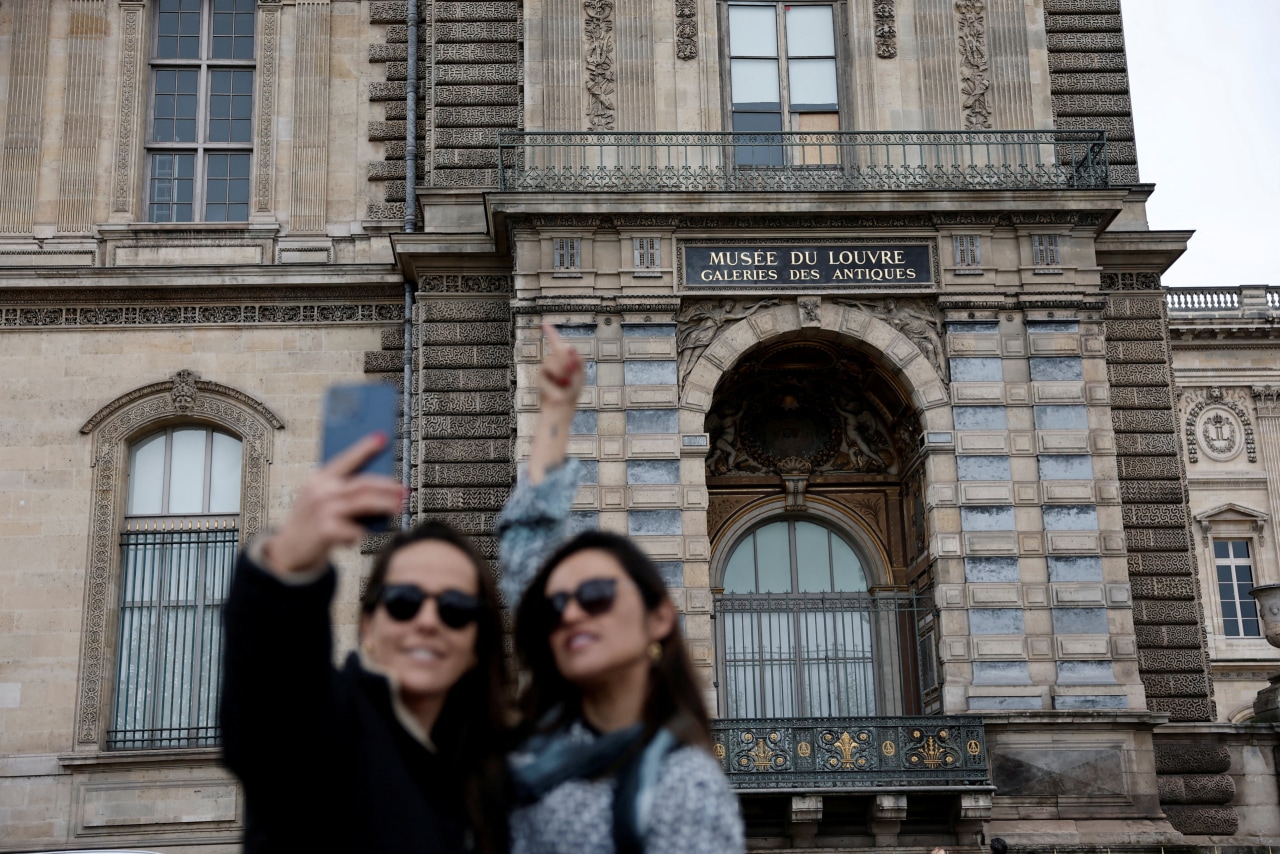
A security assessment conducted years before the infamous robbery at the Louvre Museum revealed detailed plans outlining how a moving truck could access the museum’s second floor. This information, buried in the museum’s own archives, has raised new questions about the security measures in place prior to the theft of several valuable artworks.
The robbery, which took place in 2010, saw thieves make off with numerous pieces of art, including works by renowned artists. The assessment explicitly detailed how an unauthorized vehicle could be positioned to facilitate the theft, highlighting significant lapses in security protocols.
Security Flaws Unearthed
According to museum sources, the assessment was part of a broader initiative to enhance security in response to increasing concerns about art theft. The report included recommendations for access control improvements, but it appears that many of these suggestions went unheeded.
The police investigation into the heist found that the thieves had exploited vulnerabilities in the museum’s security infrastructure. Eyewitness accounts indicate that the operation was executed with a level of professionalism that suggests prior knowledge of the museum’s layout and security systems.
Implications for Art Institutions
This revelation has significant implications for museums worldwide, as it underscores the necessity of regularly updating security measures to address evolving threats. Art institutions often house priceless artifacts and are prime targets for organized crime.
The Louvre has since taken steps to bolster security, implementing a range of new technologies and protocols. However, the discovery of this prior assessment raises concerns regarding how effectively institutions are acting on security recommendations.
As museums continue to face challenges in securing their collections, this incident serves as a critical reminder of the need for diligence in safeguarding cultural heritage. The art world remains vigilant, as the stakes are high, both in terms of financial loss and the preservation of history.