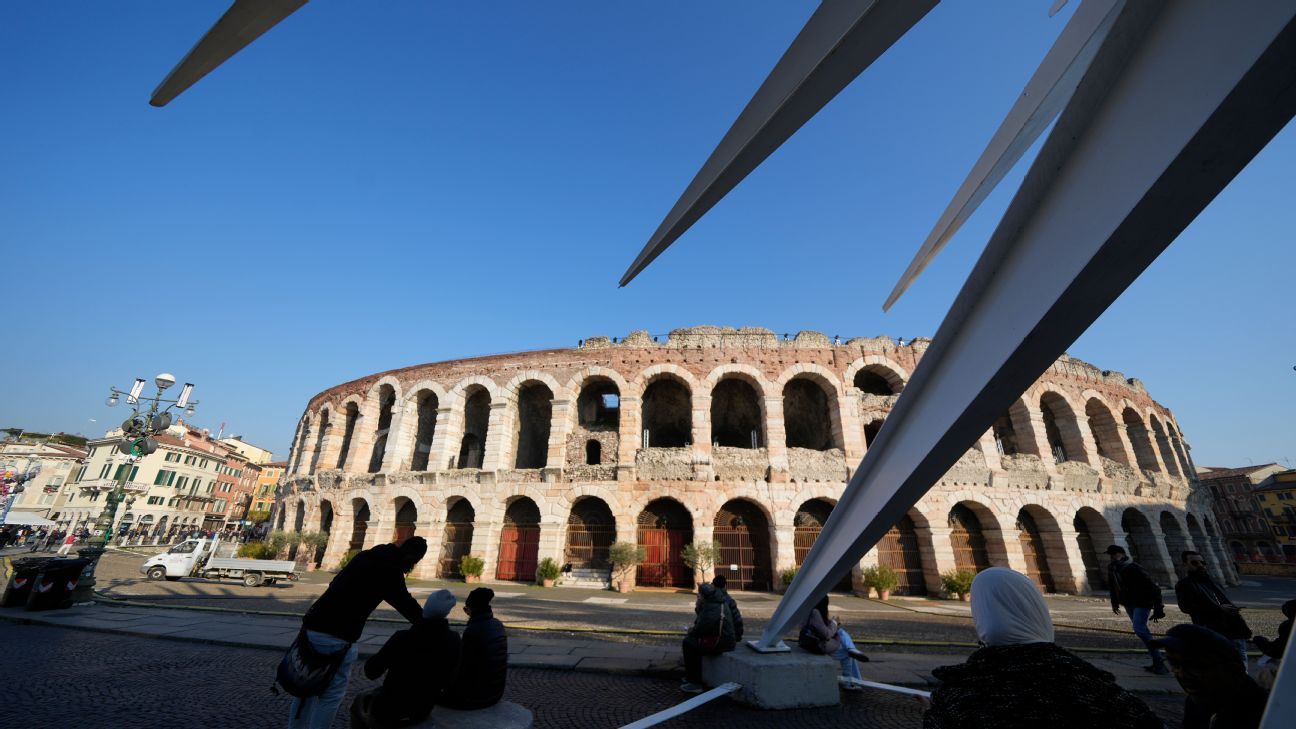
The ancient Roman Arena in Verona is set to receive significant renovations aimed at enhancing accessibility and safety in preparation for the 2026 Milan Cortina Games. This historic venue will host both the Olympic closing ceremony on February 22, 2026 and the Paralympic opening ceremony on March 6, 2026, with an expected attendance of 11,000 and nearly 10,000 participants, respectively.
Originally constructed in the 1st century, the Verona Arena has served various purposes throughout its history, from hosting gladiatorial combat to functioning as a marketplace and, more recently, as a venue for a renowned opera festival. Despite its long history, the Arena has not been adequately equipped to accommodate visitors with disabilities or those requiring assistance. The upcoming Games have prompted a comprehensive upgrade to address these shortcomings.
Modernization and Accessibility Enhancements
The renovation project, estimated at 18 million euros (approximately 21 million USD), aims to improve not only the Arena itself but also the surrounding infrastructure. The initiative is being overseen by the governmental organization responsible for Olympic infrastructure. Plans include creating accessible sidewalks from Verona’s main train station to the Arena, featuring curb ramps to facilitate wheelchair and stroller access.
Architect Giulio Fenyves, who leads the design team, highlighted the importance of ensuring that the new elements blend harmoniously with the Arena’s historical features. “This is an ancient monument that is some 2,000 years old, that remains active and hosts audiences,” Fenyves stated. The project aims to streamline entry and exit points, catering to the needs of thousands of attendees during major events.
As part of the upgrades, the route for the Parade of Athletes will be improved, making it more accessible for competitors with mobility challenges. Fenyves noted that careful coordination is necessary with preservation officials to ensure that new installations do not compromise the structure’s integrity.
Innovative Features and Lasting Legacy
A centerpiece of the renovation is a wheelchair-accessible ramp, designed with pre-rusted steel and local Prun stone, reflective of the materials originally used in the Arena’s construction. This stone, known for its distinctive pinkish-yellow hue, contains fossilized shells and adds to the historical significance of the updates. Project manager Paolo Zecchinelli expressed hope that this ramp will remain in place after the Games as a lasting legacy for the city.
Previously, visitors with mobility issues had to navigate a natural slope from the adjacent Piazza Bra. The new ramp is designed to integrate seamlessly with the Arena’s architecture, along with additional improvements such as new railings and handrails at various heights throughout the venue.
Renovations will also address restroom accessibility, with the city undertaking upgrades to ensure that facilities meet modern standards. Following the conclusion of the Olympic and Paralympic events, further enhancements will include the installation of an elevator, enabling individuals with limited mobility to access the upper levels of the Arena for an unobstructed view of the surrounding hills and performances.
“This transformation will serve as a gift to the city, making this beautiful monument more accessible to tourists and attendees of future events,” Zecchinelli remarked. The renovations represent a significant step toward inclusivity, ensuring that the Verona Arena can be enjoyed by all visitors, regardless of their physical abilities.