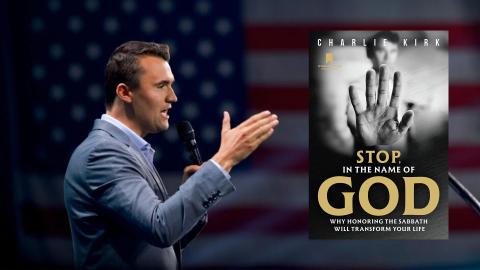
Charlie Kirk’s final book, titled Stop in the Name of God, delves into the profound impact of observing the Sabbath on personal well-being. Published posthumously, the book reflects Kirk’s journey towards understanding the importance of rest and spiritual reflection. His pastor, Rob McCoy, emphasized Kirk’s excitement about the project, recalling their time together in Korea when Kirk approved the final manuscript.
Finding Peace in the Sabbath
Kirk, who passed away recently, often spoke of his transformative trip to Israel. According to McCoy, this journey significantly shaped Kirk’s views on the Sabbath, or Shabbat, a practice deeply rooted in Jewish tradition. The concept of a day of rest, especially during times of crisis and overextension, resonated with him profoundly. McCoy recounted a conversation between Kirk and his friend, Dave Engelhart, a board member at Turning Point USA, where Engelhart suggested the idea of taking a Sabbath.
Micha’el Ben-David, a Messianic Jew residing in the Galilee, described Shabbat as “the Kingdom of Heaven’s deepest secret.” He highlighted its origins in the Book of Genesis and the significance of keeping the Sabbath holy, as prescribed in the fourth commandment. In Israel, the observance of Shabbat transforms daily life, with many families pausing all activities from sundown on Friday until sundown on Saturday.
In households like Ben-David’s, Shabbat begins with a festive dinner, where candles are lit, bread and wine are blessed, and families engage in prayers. Ben-David explained that this ritual is approached with “great holiness and great reverence,” recognizing God as the provider. Kirk’s exploration of these practices led him to realize the necessity of honoring the Sabbath as a means of spiritual and familial rejuvenation.
An Invitation to Rest
Pastor McCoy noted that Kirk began to implement these principles in his own life, prioritizing time with his family and disconnecting from the constant demands of work and technology. “He saw Sabbath for the man, not man for the Sabbath,” McCoy said, emphasizing that Kirk viewed the practice not as a legalistic obligation, but as a vital opportunity for rest and reflection.
Ben-David reflected on the blessings shared during Shabbat, including prayers for family members that honor their roles within the household. He described the joy of blessing children and the overall atmosphere of love and reverence that characterizes the Sabbath experience.
Despite his busy schedule filled with travel, public speaking, and managing numerous communications, Kirk recognized the toll this lifestyle took on his health and relationships. McCoy shared that once the Kirk family began observing the Sabbath, they experienced a significant transformation. Kirk found that the practice allowed him to slow down, focus on God, and nurture his family connections.
In a poignant message delivered shortly before his death, Kirk addressed mental health challenges many face in today’s society. He advised listeners on his podcast to disconnect from technology for one day, asserting that this simple act could lead to “dramatic” improvements in mental well-being.
McCoy concluded, “He understood the importance of keeping the Sabbath, and that inspired him to conduct a deep dive study into the subject.” This exploration culminated in Stop in the Name of God, which McCoy referred to as Kirk’s “magnum opus.” The book encapsulates Kirk’s journey and insights into the transformative power of rest, inviting readers to consider the profound benefits of honoring the Sabbath in their own lives.