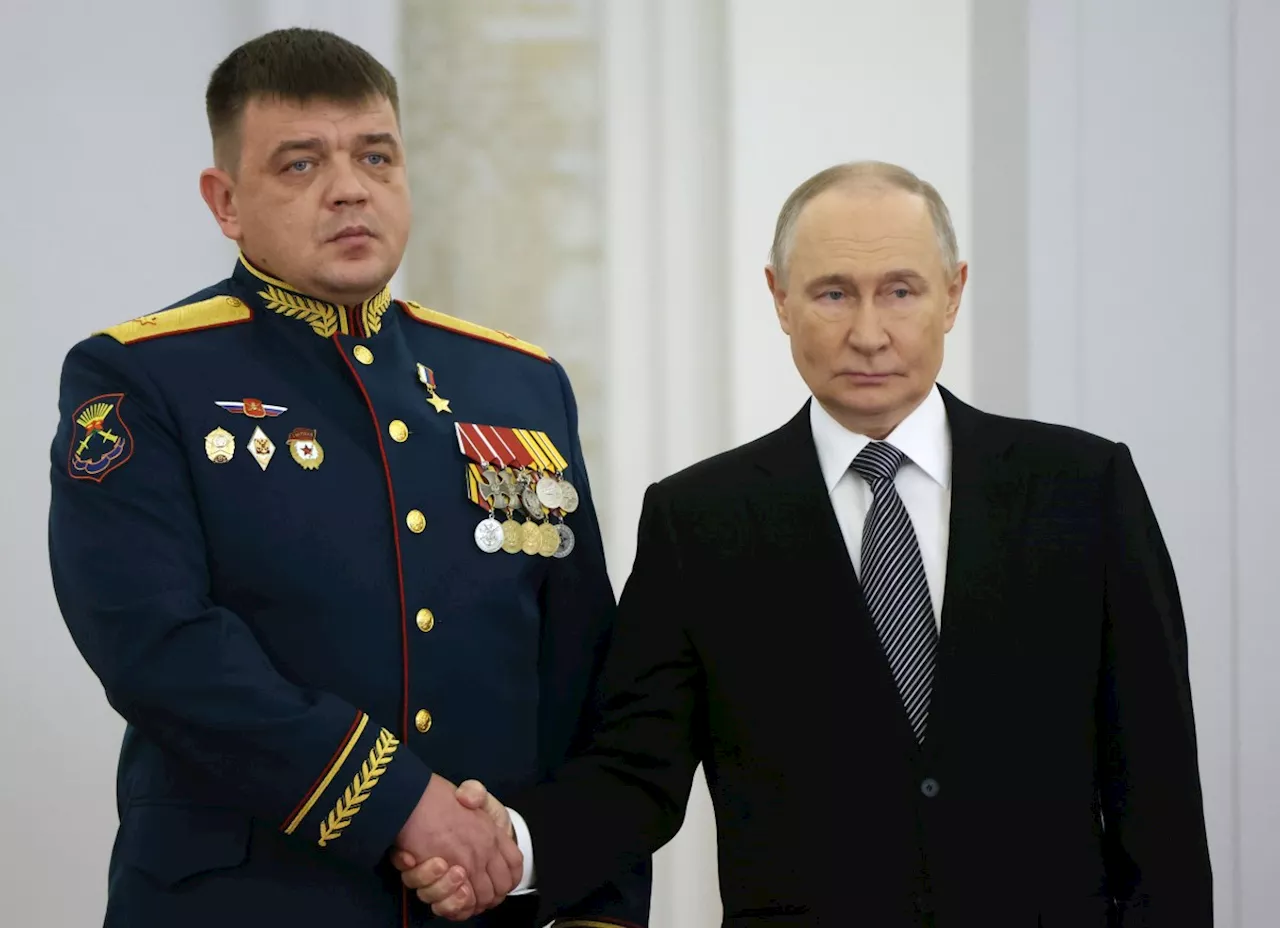
Russian Foreign Minister Sergei Lavrov announced that President Vladimir Putin expressed Russia’s willingness to provide security guarantees for Ukraine during discussions with envoys of former US President Donald Trump. This proposal is part of broader efforts to negotiate a peace settlement. Lavrov highlighted that these security guarantees must also encompass Russia’s interests, creating a complex diplomatic landscape.
In a meeting held on Thursday in Moscow, Lavrov indicated that any guarantees offered to Ukraine should be comprehensive and include all relevant parties. He pointed to Russia’s previous proposals to NATO in 2021 as a potential framework for a legally binding treaty. Lavrov further revealed that Russia has submitted additional proposals to the United States regarding collective security guarantees, emphasizing that these assurances cannot focus solely on Ukraine.
During this meeting, Lavrov firmly rejected the notion of deploying peacekeeping troops in Ukraine under the auspices of security guarantees. He warned that such a move, being considered by some NATO allies as a “Coalition of the Willing,” would place these troops at risk, labeling them as “legitimate targets for the Russian armed forces.” He urged European nations to take this warning seriously.
Former President Trump also weighed in on the situation, advising Ukrainian President Volodymyr Zelensky to adopt a more “realistic” approach concerning the war with Russia. Trump questioned the timing of Ukraine’s upcoming elections, suggesting these could complicate negotiations. He mentioned that he had discussed Ukraine with leaders from the United Kingdom, France, and Germany, noting some “little disputes” over the issue.
European leaders have expressed a desire for Trump to visit soon for peace talks, although he indicated a reluctance to commit without acquiring critical information first. The dynamics among European allies reflect an effort to coordinate responses to the evolving situation between the US and Russia, especially as Ukraine prepares a revised 20-point proposal for peace following Zelensky’s consultations with European partners.
Concerns exist that Trump might exert pressure on Ukraine, potentially leading to unfavorable terms for the nation, thereby rewarding Russia for its illegal invasion. President Zelensky, currently facing domestic political challenges linked to a corruption scandal involving senior officials, has expressed a willingness to hold elections but emphasized that such actions depend on adequate support from the US and Western nations to ensure safety. He reiterated his firm stance against any territorial concessions to Russia, stating he lacks both legal and moral authority to concede land.
The ongoing situation highlights the intricate interplay of international diplomacy and domestic pressures influencing the Russia-Ukraine conflict. The exchange of proposals from both sides underscores the challenges in achieving a comprehensive agreement. The potential involvement of influential figures like Trump and the varied perspectives from involved countries add layers of complexity to the negotiations.
As the situation continues to unfold, the stakes remain high, with the potential for escalating tensions. The consideration of security guarantees and the discussions around troop deployments illustrate the inherent risks and challenges faced. With upcoming elections and the ongoing corruption scandal, the path to a peaceful resolution will require careful navigation of diverse interests and bridging significant gaps in perspective.
This evolving scenario emphasizes the critical role of diplomacy, negotiations, and political considerations in resolving the conflict and achieving lasting peace in the region.