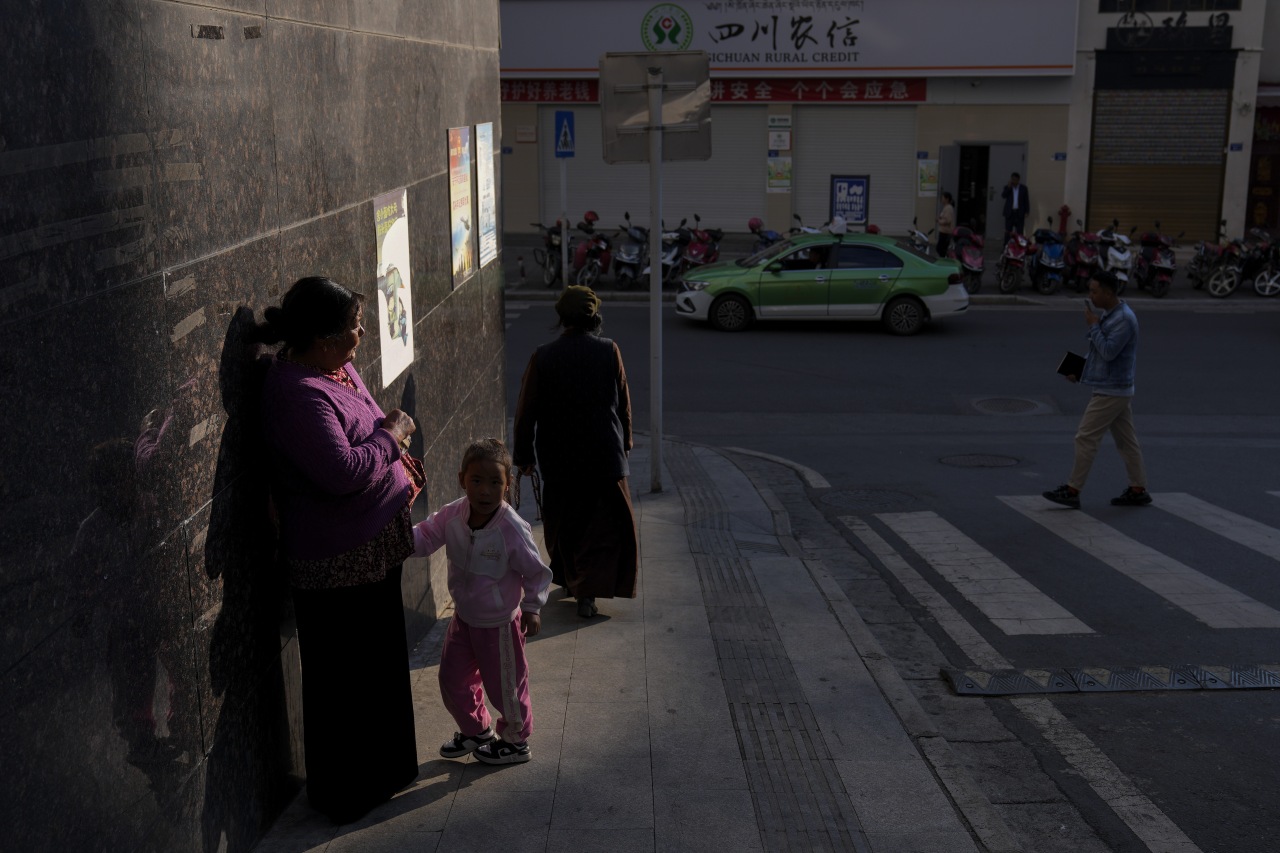
Chinese authorities have detained dozens of Tibetans following protests against a mining project in the region. The demonstrations, which took place in Lhasa, were described by Tibetan activists as a rare act of defiance against the Chinese government’s ongoing policies in Tibet.
According to reports from the **Tibetan government in exile**, authorities arrested approximately **50 protesters** on **October 15, 2023**. The protestors voiced concerns over the environmental impact of the mining operations and their potential threat to local communities. Activists claim that such projects not only jeopardize the fragile ecosystem of the **Tibetan Plateau** but also infringe upon the rights of the Tibetan people.
Background on Mining Operations in Tibet
Mining has been a contentious issue in Tibet, with activists arguing that it exacerbates the already strained relationship between the Tibetan population and the Chinese government. The Tibetan Plateau is rich in mineral resources, and the Chinese state has increasingly sought to exploit these resources, often at the expense of local communities and their livelihoods.
Critics highlight that mining operations have led to significant environmental degradation, including water pollution and soil erosion. As tensions rise, protests have become more frequent, although they are met with heavy-handed responses from authorities.
The Tibetan activists emphasized that the recent detentions are part of a broader pattern of repression against dissenting voices in the region. They argue that the Chinese government’s crackdown on protests stifles freedom of expression and undermines the cultural identity of the Tibetan people.
Reactions and Implications
The international community has taken notice of the situation, with various human rights organizations calling for the immediate release of those detained. **Amnesty International** has condemned the arrests, stating that they reflect a severe violation of human rights in Tibet. Activists urge for global awareness and support, insisting that the world must not ignore the plight of the Tibetan people.
The **Chinese government**, on the other hand, maintains that it is committed to development in Tibet, asserting that such projects bring economic growth and stability to the region. Authorities often label protests as attempts to disrupt public order, justifying their actions as necessary for maintaining stability.
As the situation evolves, the implications for Tibetan activism and Chinese policy in the region remain uncertain. The recent protests and subsequent arrests may spark further dissent, as local communities continue to advocate for their rights and environmental protection.
The future of Tibet’s socio-political landscape hinges on the Chinese government’s response to these protests and the growing calls for accountability from the international community.