The European Union has taken a significant step by indefinitely freezing Russian assets within its jurisdiction to prevent Hungary and Slovakia from blocking the use of these funds to support Ukraine. This decision, announced on December 15, 2025, ensures that billions of euros can be mobilized for Ukraine’s financial and military needs amid ongoing conflict with Russia.
Using a special procedure designated for economic emergencies, the EU has blocked access to these assets until Russia ceases its military actions in Ukraine and compensates the nation for the extensive damages caused since the invasion began on February 24, 2022. EU Council President António Costa emphasized the commitment made by European leaders in October to immobilize Russian assets until the end of hostilities. “Today we delivered on that commitment,” he stated.
Strategic Financial Implications for Ukraine
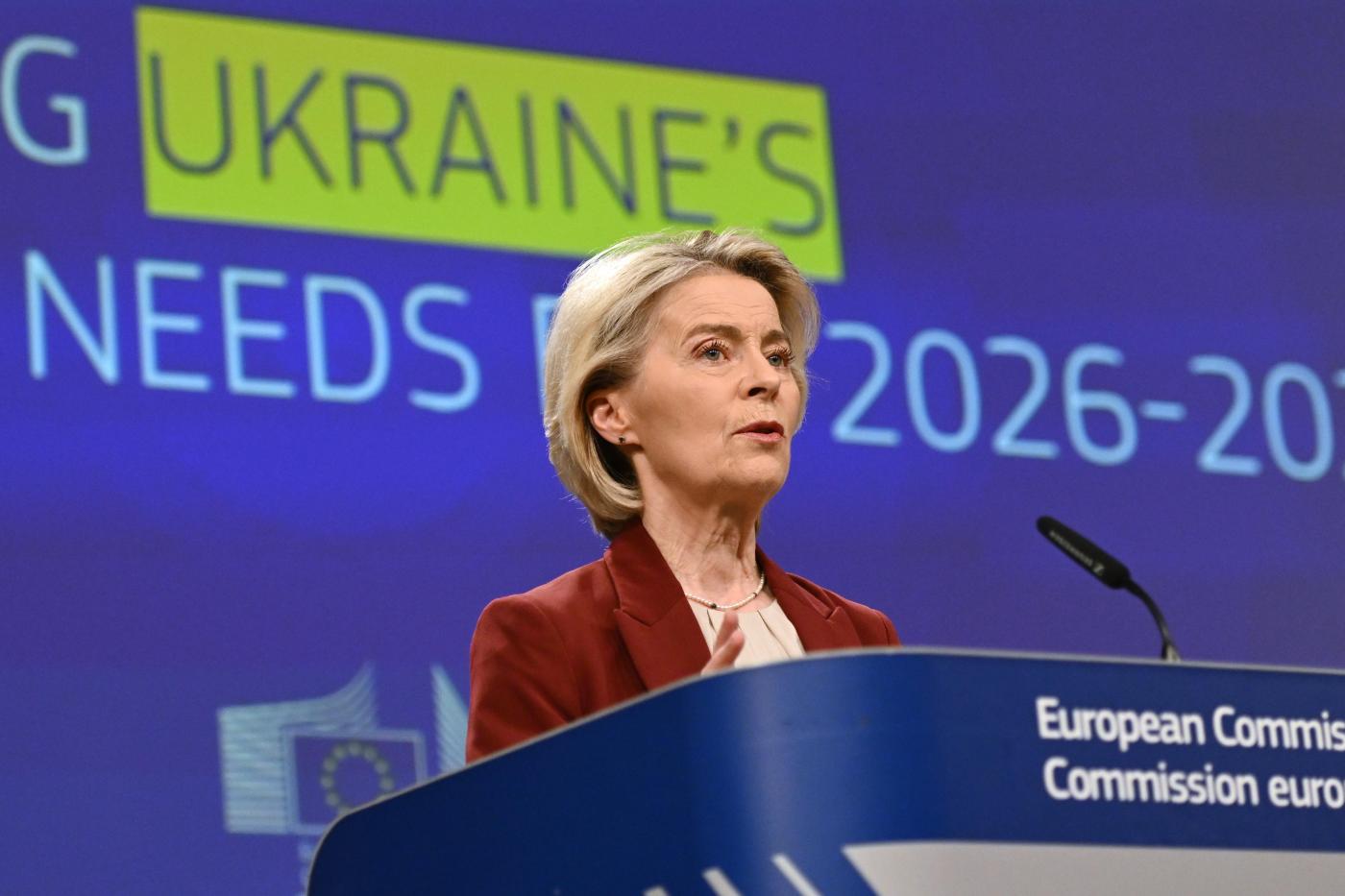
This move allows EU leaders to discuss at an upcoming summit on December 18, 2025, how to utilize approximately €210 billion (around $247 billion) in Russian Central Bank assets. The aim is to underwrite a substantial loan that would assist Ukraine in addressing its immediate financial requirements over the next two years. Costa indicated that securing Ukraine’s financial stability for 2026–27 is the next priority.
The EU’s decision to freeze these assets also ensures they cannot be employed in any negotiations to conclude the conflict without European consent. A recently proposed 28-point plan by U.S. and Russian negotiators suggested using these frozen assets for Ukraine, Russia, and the United States, but it was rejected by Ukrainian officials and their European allies.
Political Reactions and Legal Challenges
The decision has drawn sharp criticism from Hungarian Prime Minister Viktor Orbán, who is known for his close ties with Russian President Vladimir Putin. Orbán accused the European Commission of undermining European law, stating on social media that “the rule of law in the European Union comes to an end.” He asserted that Hungary would strive to restore lawful order in response to this decision.
Slovak Prime Minister Robert Fico echoed similar sentiments, expressing his intention to oppose any efforts aimed at financing Ukraine’s military expenditures with frozen Russian assets. He cautioned that such actions could jeopardize ongoing peace negotiations in the United States that rely on these resources for Ukraine’s reconstruction.
The majority of the frozen funds, approximately €193 billion (about $225 billion) as of the end of September 2025, are held within Euroclear, a financial clearing house based in Belgium. The assets were initially frozen under sanctions imposed by the EU in response to Moscow’s aggression, which must be renewed every six months with unanimous approval from all 27 member states. Hungary and Slovakia have historically opposed further support for Ukraine.
Belgium has raised concerns about the proposed reparations loan plan, citing potential economic and legal risks. The Russian Central Bank has responded by filing a lawsuit against Euroclear in Moscow, claiming damages resulting from its exclusion from managing these assets. The bank labeled the EU’s plans as “illegal” and contrary to international law, asserting violations of sovereign immunity principles.
The EU has already provided nearly €200 billion (around $235 billion) in aid to Ukraine, emphasizing the ongoing economic repercussions the war has inflicted on Europe, including soaring energy prices and stunted growth.
In summary, the EU’s decision to freeze Russian assets marks a pivotal moment in its support for Ukraine, while simultaneously igniting political tensions among member states. As the situation develops, the focus will remain on how these financial resources can be effectively utilized to bolster Ukraine’s resilience in the face of ongoing conflict.