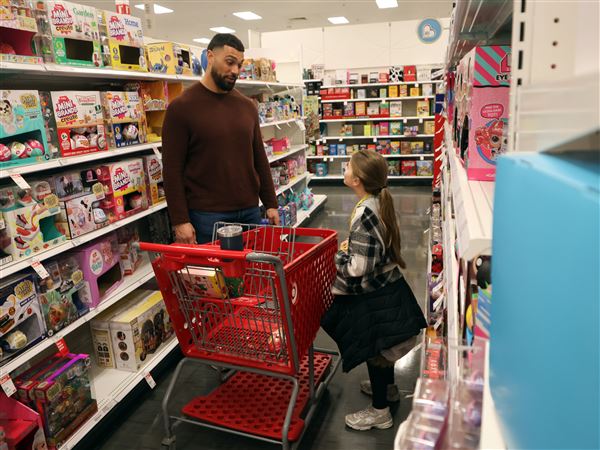
The holiday season often amplifies the pressure to create the “perfect” Christmas, a task that primarily falls on women. As families gather to celebrate, the expectations can lead to significant stress, particularly for those responsible for shopping, cooking, and gift-wrapping. This year, the impact of societal pressures on family dynamics and gender roles is particularly relevant as many navigate the complexities of modern family life.
Historical Context of Family Dynamics
The concept of family and its associated responsibilities has undergone dramatic changes, particularly since the Industrial Revolution. During this period, production shifted from homes to factories, severely limiting women’s ability to care for their children while working. Many women faced the harsh reality of either bringing their children to unsafe work environments or outsourcing their care, leading to a decline in birth rates and increased child mortality.
The transition disrupted traditional family structures. Although capitalism dismantled the patriarchal household, it simultaneously perpetuated ideologies that reinforced women’s roles as caregivers, thereby re-establishing a new family dynamic that often benefits the capitalist class. Women were frequently pushed into the workforce while still being expected to fulfill household duties, creating a double burden that persists today.
The Modern Family and Economic Pressures
Today’s families come in various forms, including blended families and households led by single parents or members of the LGBT+ community. Despite these evolving structures, the burden of unpaid labor still heavily rests on women. According to Oxfam, women globally perform 12.5 billion hours of unpaid care work daily, a staggering figure that highlights the ongoing struggle for gender equality.
As families prepare for the festive season, the emphasis on consumption often leads to unnecessary spending. Brands leverage emotional marketing to increase sales, pushing the narrative that love is demonstrated through expensive gifts. This consumer culture can overshadow the true spirit of the holiday, leading families to feel inadequate if they cannot meet these societal expectations.
Furthermore, the economic implications of family roles are significant. The notion of the “family wage,” which suggests that men should earn enough for women to care for children at home, remains largely unattainable. Women continue to dominate low-paying, part-time “caring” jobs, reflecting a systemic issue in the workforce that undervalues their contributions.
As families gather this Christmas, it is crucial to challenge the traditional narratives surrounding family and holiday expectations. The push for perfection can often distract from the true essence of the season—connection and joy among loved ones. Rather than succumbing to the pressure of creating an idealized holiday, families can focus on what truly matters.
Resisting the urge to measure love and success through material means can lead to a more fulfilling and authentic celebration. This holiday season, individuals are encouraged to reflect on these dynamics and consider how they can contribute to a more equitable society throughout the year. The fight for gender equality within the family structure is not confined to the Christmas season; it is a lifelong endeavor that benefits everyone.