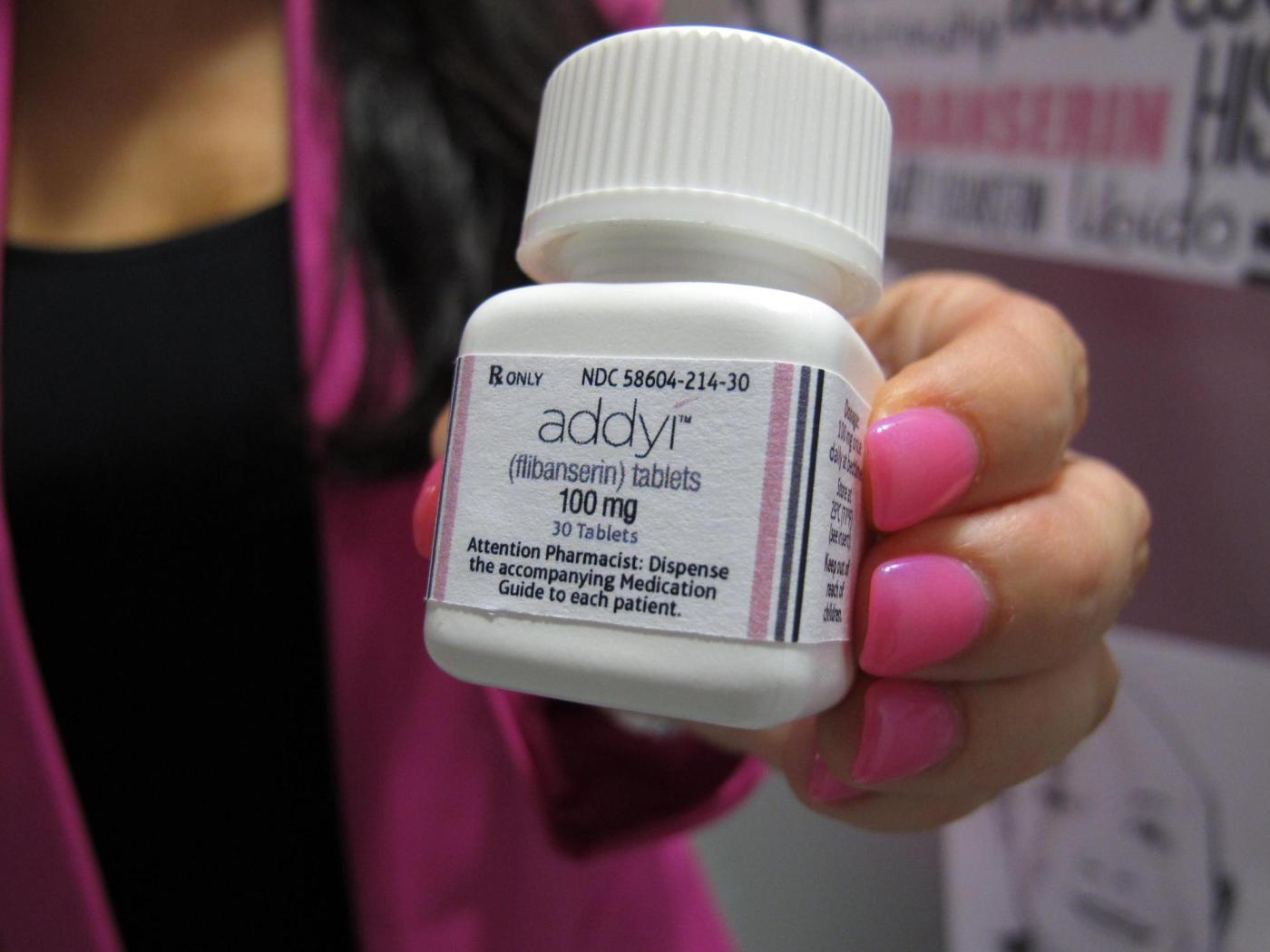
U.S. health officials have expanded the approval of the libido-boosting drug Addyi, allowing its use among women over 65 who have undergone menopause. The announcement from the Food and Drug Administration (FDA) on March 4, 2024, marks a significant milestone in addressing female sexual health.
Originally approved in 2015 for premenopausal women experiencing emotional stress due to low sexual desire, Addyi is now available to a broader demographic. This once-a-day pill, manufactured by Sprout Pharmaceuticals, has been both controversial and awaited in the field of women’s health.
Understanding Addyi’s Approval and Implications
Addyi works by influencing brain chemicals related to mood and appetite, but it is accompanied by side effects such as dizziness and nausea. A crucial safety warning indicates that combining the pill with alcohol can lead to dangerously low blood pressure and fainting, highlighting the need for caution among users.
Despite its potential, sales of Addyi have been limited, with the drug initially projected to be a blockbuster in the women’s health market. In 2019, the FDA approved a second treatment for low female libido, an injectable medication that operates through a different neurological pathway.
Cindy Eckert, CEO of Sprout Pharmaceuticals, stated that the recent approval reflects “a decade of persistent work with the FDA to fundamentally change how women’s sexual health is understood and prioritized.” This sentiment underscores the ongoing challenges surrounding the treatment of hypoactive sexual desire disorder, a condition recognized since the 1990s that affects many American women.
Challenges in Diagnosing and Treating Low Libido
Diagnosing low sexual appetite can be complex, as various factors influence libido, particularly after menopause. Declining hormone levels can lead to numerous medical symptoms that complicate the situation. Medical professionals are required to consider a variety of issues, including relationship dynamics, other medical conditions, and mental health disorders, before prescribing medication.
The concept of hypoactive sexual desire disorder remains contentious within the medical community. Some psychologists argue that low libido should not be classified as a medical condition, reflecting a broader societal debate over women’s sexual health and rights.
The pathway to Addyi’s approval was far from straightforward. The FDA rejected the drug twice before its eventual approval in 2015, citing concerns about its modest effectiveness and potential side effects. The approval followed a vigorous lobbying effort by Sprout Pharmaceuticals and its advocacy group, Even the Score, which framed the issue as one of women’s rights and the need for equitable treatment options.
As discussions around women’s sexual health continue, the approval of Addyi for menopausal women may signify a shift towards greater recognition and understanding of female sexual dysfunction. With this expanded approval, many hope that more women will have access to effective treatments tailored to their needs.
The Associated Press Health and Science Department receives support from the Howard Hughes Medical Institute’s Department of Science Education and the Robert Wood Johnson Foundation, but is solely responsible for the content presented.