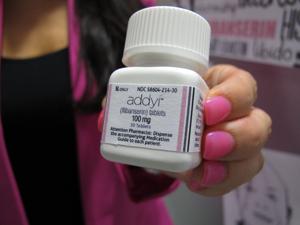
The U.S. Food and Drug Administration (FDA) has expanded the approval of a controversial drug designed to enhance female libido, now permitting its use among postmenopausal women up to the age of 65. This decision marks a significant development in women’s health, as the once-a-day pill aims to address sexual dysfunction that affects many women after menopause.
The drug, which has faced scrutiny since its initial introduction, will now be available to a broader demographic. Previously, it was limited to women under 50, but the FDA’s recent decision reflects growing recognition of sexual health issues in older women. The approval process involved extensive reviews of clinical data demonstrating the drug’s effectiveness and safety for this age group.
Understanding the Drug’s Impact
This medication targets hypoactive sexual desire disorder (HSDD), a condition characterized by a persistent lack of interest in sexual activity. The approval is expected to provide relief for many women who experience diminished libido due to hormonal changes associated with menopause. Health experts emphasize the importance of addressing these concerns, as sexual health plays a crucial role in overall well-being.
The FDA’s action comes after a lengthy debate surrounding the drug’s benefits and risks. Supporters argue that enhancing sexual desire can significantly improve the quality of life for women in this demographic. Critics, however, express concerns about potential side effects and the implications of normalizing pharmaceutical solutions for sexual health issues.
In clinical trials, women reported a notable improvement in sexual desire and satisfaction. The results indicate that the pill can effectively alleviate symptoms of HSDD, leading to a better sexual experience. As the stigma surrounding women’s sexual health diminishes, the approval of this drug is seen as a step forward in providing necessary treatment options.
Potential Market Effects and Future Considerations
The expanded approval could have significant implications for the pharmaceutical market. Analysts anticipate increased demand for the medication, given the growing population of older women seeking solutions for sexual health concerns. This demographic shift underscores the necessity for more research and development focused on women’s health issues, particularly those related to aging.
Experts also point out the need for comprehensive education regarding the drug’s use and potential side effects. As women consider this treatment option, clear communication from healthcare providers will be essential to ensure informed decision-making.
The FDA’s decision is a pivotal moment in the ongoing conversation about women’s health, particularly as it relates to sexual function and desire. By broadening access to this medication, the agency not only acknowledges the complexities of women’s health but also challenges societal norms surrounding female sexuality.
As the drug becomes available, healthcare providers will play a crucial role in guiding women through the decision-making process, ensuring that they understand both the benefits and risks associated with its use. The approval of this libido-boosting pill is not just a medical advancement; it represents a cultural shift toward recognizing and addressing the sexual health needs of women at all life stages.