Anachronistic cinema presents a fascinating challenge to traditional storytelling by incorporating elements that deliberately contradict historical accuracy. These films often blend different time periods, allowing the filmmakers to explore themes of love, ambition, and identity in innovative ways. A recent article by writer and videographer Luc Haasbroek highlights ten standout movies that effectively utilize anachronism, showcasing how these creative choices enhance the emotional depth of their narratives.
Exploring Anachronism in Film
Anachronistic films often break the boundaries of time, using modern references and styles to evoke feelings that resonate with contemporary audiences. While some films take a bold approach, others employ a subtler touch, yet all share the intent to engage viewers on a deeper level. The following list ranks ten films that exemplify this artful defiance of chronological order.
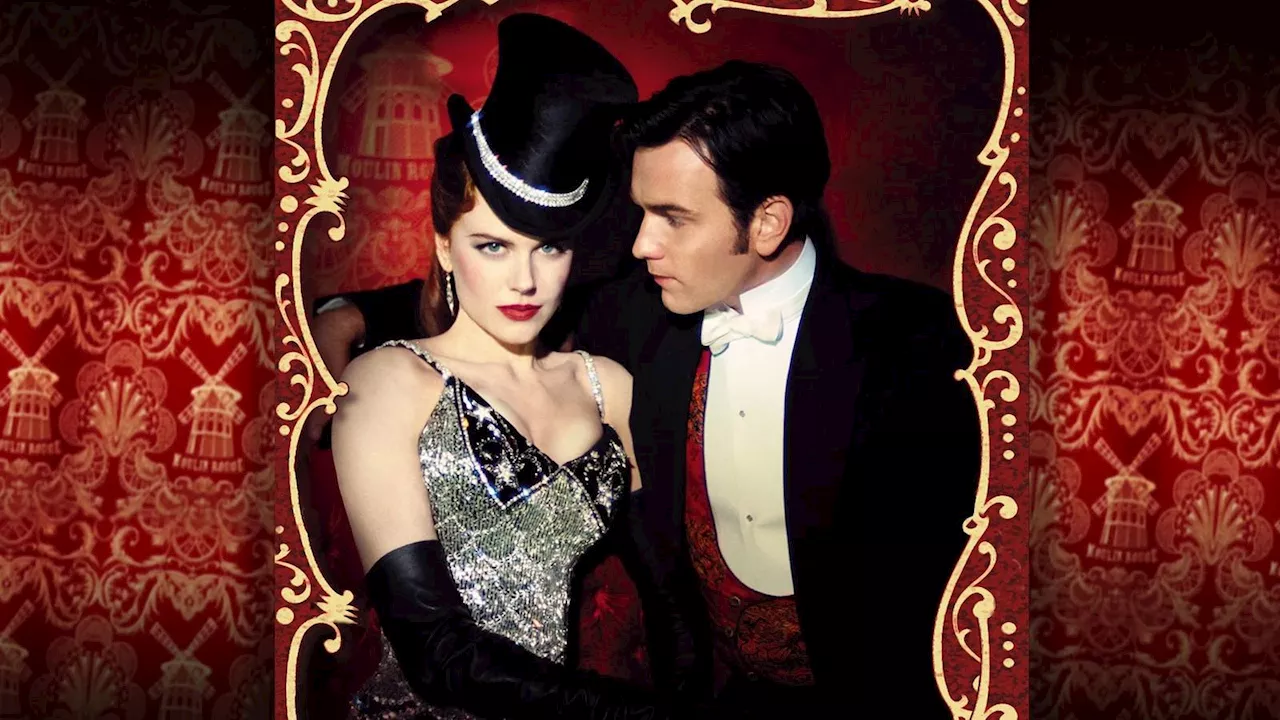
Moulin Rouge! stands out as an exuberant example of anachronism, presenting a vibrant jukebox musical set in 1899 Paris. With a narrative centered around a young poet named Christian and the courtesan Satine, the film features modern pop songs intermingled with its historical setting. This striking combination, crafted by Baz Luhrmann, transforms the emotional landscape of the story, allowing familiar melodies to amplify the drama and connection to the characters.
In A Knight’s Tale, Heath Ledger takes on the role of William Thatcher, a peasant masquerading as a noble knight. The film opens with a crowd chanting “We Will Rock You,” immediately signaling its playful disregard for historical conventions. By mixing medieval jousting with 21st-century rock music and contemporary dialogue, the film creates a whimsical atmosphere that encourages audiences to enjoy history without the weight of realism.
Another noteworthy entry is The Love Witch, a modern homage to 1960s Technicolor thrillers. Set in contemporary times, it follows Elaine, a witch on a quest for love. The film’s visual and auditory elements mimic the aesthetics of past eras, generating a surreal ambiance that blends modern anxieties with vintage cinematic charm. Writer-director Anna Biller cleverly interrogates timeless themes of desire and loneliness, highlighting the film’s unique appeal.
Bold Visuals and Emotional Depth
In The Green Knight, the anachronisms are subtle yet impactful. Starring Dev Patel as Gawain, the film adapts a medieval poem into a dreamlike odyssey that transcends historical accuracy. The dialogue oscillates between archaic and modern tones, reflecting the characters’ struggles with contemporary existential dilemmas. This fusion allows viewers to engage with Gawain’s journey on a personal level, framing it within the context of modern self-worth.
Similarly, Romeo + Juliet reimagines Shakespeare’s tale within a vibrant 1990s metropolis. By interweaving Shakespearean dialogue with modern visuals, including car chases and beach shootouts, Baz Luhrmann creates an intense emotional resonance that brings the classic story to a new generation. This anachronistic approach reveals the underlying themes of violence and passion, making them accessible and relevant today.
The Great Gatsby, another of Luhrmann’s works, transforms the Jazz Age into a modern spectacle. Featuring Leonardo DiCaprio as Gatsby, the film juxtaposes a 1920s setting with a contemporary soundtrack, reinforcing the illusion of the American dream. The film’s rapid editing and extravagant visuals enhance the narrative’s emotional core, allowing modern viewers to grasp the fragility of Gatsby’s world.
In Brick, Rian Johnson crafts a hardboiled detective story within a modern California high school. The characters speak in stylized noir dialogue, despite the contemporary setting, creating a compelling blend of eras. This unique approach transforms typical teenage dynamics into thrilling life-or-death scenarios, offering audiences a fresh perspective on familiar themes.
Marie Antoinette, directed by Sofia Coppola, presents the life of the infamous queen through a modern lens. Using anachronisms like contemporary music and fashion, the film captures Marie’s struggles with isolation and fame. By portraying her as a relatable young woman rather than a distant historical figure, Coppola makes the story feel immediate and engaging.
Finally, The Princess Bride employs a narrative framework that allows it to transcend time and genre. Through a grandfather reading a fairy tale to his grandson, the film blends medieval elements with modern humor, making its characters and situations universally relatable. This clever mix of styles ensures the film’s enduring popularity across generations.
The exploration of anachronism in these ten films demonstrates the power of creative storytelling in cinema. By bending time and mixing genres, filmmakers like Baz Luhrmann, Yorgos Lanthimos, and others have crafted unique narratives that resonate with audiences while challenging traditional historical norms. These films not only entertain but also provoke thought about the human experience across time.