UPDATE: A new guide has just been released, detailing how to choose the optimal menstrual cup for those with a high cervix. As more individuals seek sustainable alternatives to traditional menstrual products, understanding the right fit is crucial for comfort and effectiveness.
Menstrual cups are rapidly gaining popularity as eco-friendly options, especially for those who prefer to avoid pads and tampons. With numerous models available, selecting the right cup can seem overwhelming. This guide provides immediate insights on how to find the best menstrual cup tailored for a high cervix.
Experts recommend two primary sizes for menstrual cups. The larger size is ideal for individuals who have given birth vaginally or are over the age of 30. Conversely, those under 30 or who haven’t experienced vaginal birth may benefit from the smaller size. This distinction is vital in ensuring a proper fit, which is essential for preventing leaks.
Menstrual cups are designed to last for several years, provided they are maintained correctly. Users typically replace their cups every few years, but it’s important to note that replacement is only necessary if the cup begins to leak, becomes sticky, or shows signs of splitting.
The construction of menstrual cups also varies significantly. Most are made from medical-grade silicone, making them suitable for individuals with latex allergies. Other materials include latex and thermoplastic elastomer (TPE), which is known for its durability.
When selecting a menstrual cup, firmness is a critical factor. Firmer cups are more likely to open properly upon insertion and create a secure seal to minimize leaks. However, they may also be more challenging to insert for some users. Those unsure of their preferred firmness should consider medium-firm options.
Capacity is another key aspect, with most menstrual cups holding between 10 to 40 milliliters, depending on the brand and size. For most users, a capacity of 20 to 30 milliliters is sufficient unless experiencing a particularly heavy flow.
Prices for menstrual cups range from $10 to $40, with the average cost falling between $15 and $25. While the initial investment may be higher than disposable products, users generally save money over time.
Cleaning your menstrual cup is essential for hygiene. It’s imperative to sterilize the cup before first use and between menstrual cycles. Popular cleaning methods include using natural products like baking soda or castile soap and boiling the cup for 5 to 10 minutes.
Notable recommendations from the latest guide include:
– An ultrasoft silicone cup with a leakproof design, perfect for normal to heavy flows, though some users report a slight learning curve.
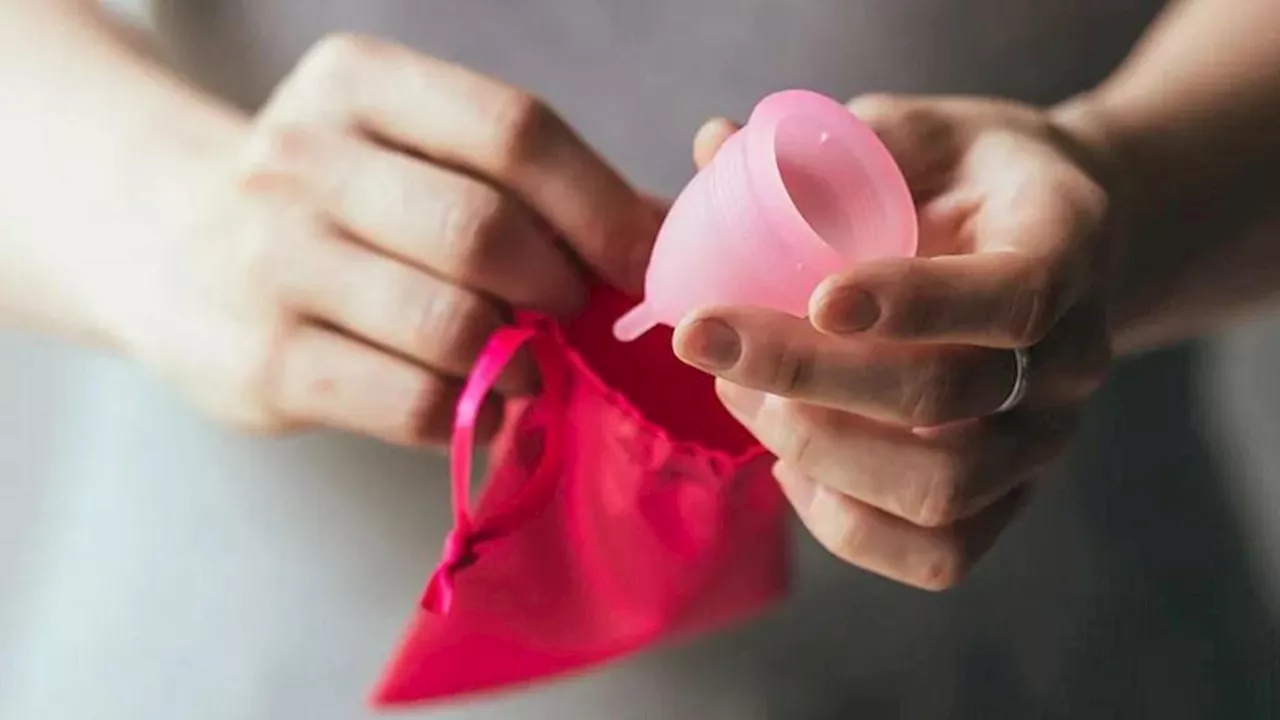
– A medical-grade silicone cup with a fabric pouch, ideal for activities like sleeping and swimming.
– A comfortable option for those with a tilted uterus, praised for its ease of cleaning and hypoallergenic material.
As more consumers seek sustainable menstrual health options, understanding the features of menstrual cups is crucial. This guide empowers users to make informed choices that suit their bodies and lifestyles.
Stay tuned for more updates on menstrual health products and their evolving role in sustainable living.