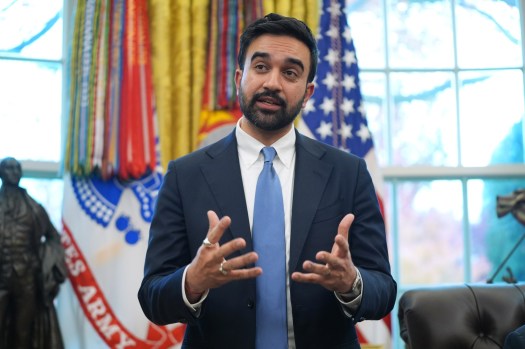
URGENT UPDATE: Democrats are at a critical crossroads as they head towards the 2026 elections, facing the dual threat of potential electoral success and the risk of self-sabotage. After a strong showing in November, historical trends favor the party; however, internal divisions fueled by a rise in progressivism could jeopardize their momentum.
New reports indicate that Democrats currently lead generic Congressional polling by 3 points, according to RealClearPolitics. Yet, the emergence of progressive figures like Zohran Mamdani, the newly elected mayor of New York City, is causing significant upheaval within the party. Mamdani’s self-proclaimed Democratic Socialist stance has inspired a wave of similarly progressive candidates, creating concerns among establishment Democrats about potential primary challenges.
As highlighted in the Wall Street Journal, Mamdani’s victory prompted at least 20 Democratic representatives and four senators to vacate their seats, either to avoid primary losses or to make way for far-left candidates. This internal strife is likely to create confusion and weaken the party’s overall effectiveness in the upcoming elections.
In California, progressive organizations like “Leaders We Deserve” are backing candidates such as Lauren Babb Tomlinson for the state’s 6th district and activist Randy Villegas for the 22nd district. Villegas faces a significant challenge against moderate Democrat Jasmeet Bains in a district that leans slightly Republican. Analysts warn that boosting Villegas could risk losing a competitive seat that Democrats might otherwise win.
The situation in Texas illustrates the growing tension, as former Democratic Rep. Colin Allred was pressured out of a Senate run to clear the field for ultra-progressive Rep. Jasmine Crockett. This move raises alarms, especially considering Allred’s strong performance in previous elections and the fact that Texas has not elected a Democratic senator since 1995.
A recent report from the center-left group Welcome reveals that 70% of voters believe the Democratic Party is out of touch, focusing too heavily on progressive issues. Key concerns like border security and crime rates, which contributed to the party’s struggles in the 2024 elections, are not being addressed, posing a significant risk as Democrats approach the 2028 presidential election.
Despite these challenges, some Democrats, including California Governor Gavin Newsom, are embracing a centrist approach. Newsom, who is eyeing a possible 2028 presidential run, has shifted his rhetoric, advocating for more moderate policies and urging his fellow Democrats to adopt a less judgmental stance. His recent interactions with Republican leaders suggest a strategic pivot aimed at appealing to a broader electorate.
As the Democratic Party navigates this tumultuous landscape, the stakes are higher than ever. A failure to address the growing influence of progressives could lead to a significant electoral setback. If Democrats choose to align more closely with figures like Mamdani and Ocasio-Cortez, they risk sacrificing their chances in future elections.
WHAT’S NEXT: With the 2026 elections on the horizon, Democrats must decide how to balance the demands of their progressive base with the need for broader appeal. As party dynamics continue to shift, the upcoming months will be crucial for establishing a path forward. Voter sentiment will play a key role in shaping their strategy, and the implications could resonate well beyond the next election cycle.
For Democrats, the message is clear: the time to act is now.