UPDATE: The abrupt suspension of funding from the U.S. Agency for International Development (USAID) has plunged millions of Syrians into a dire humanitarian crisis, with reports confirming that water, food, and medical supplies are dwindling rapidly. The cuts were announced on February 27, 2025, and have left vulnerable populations across the country facing severe shortages.
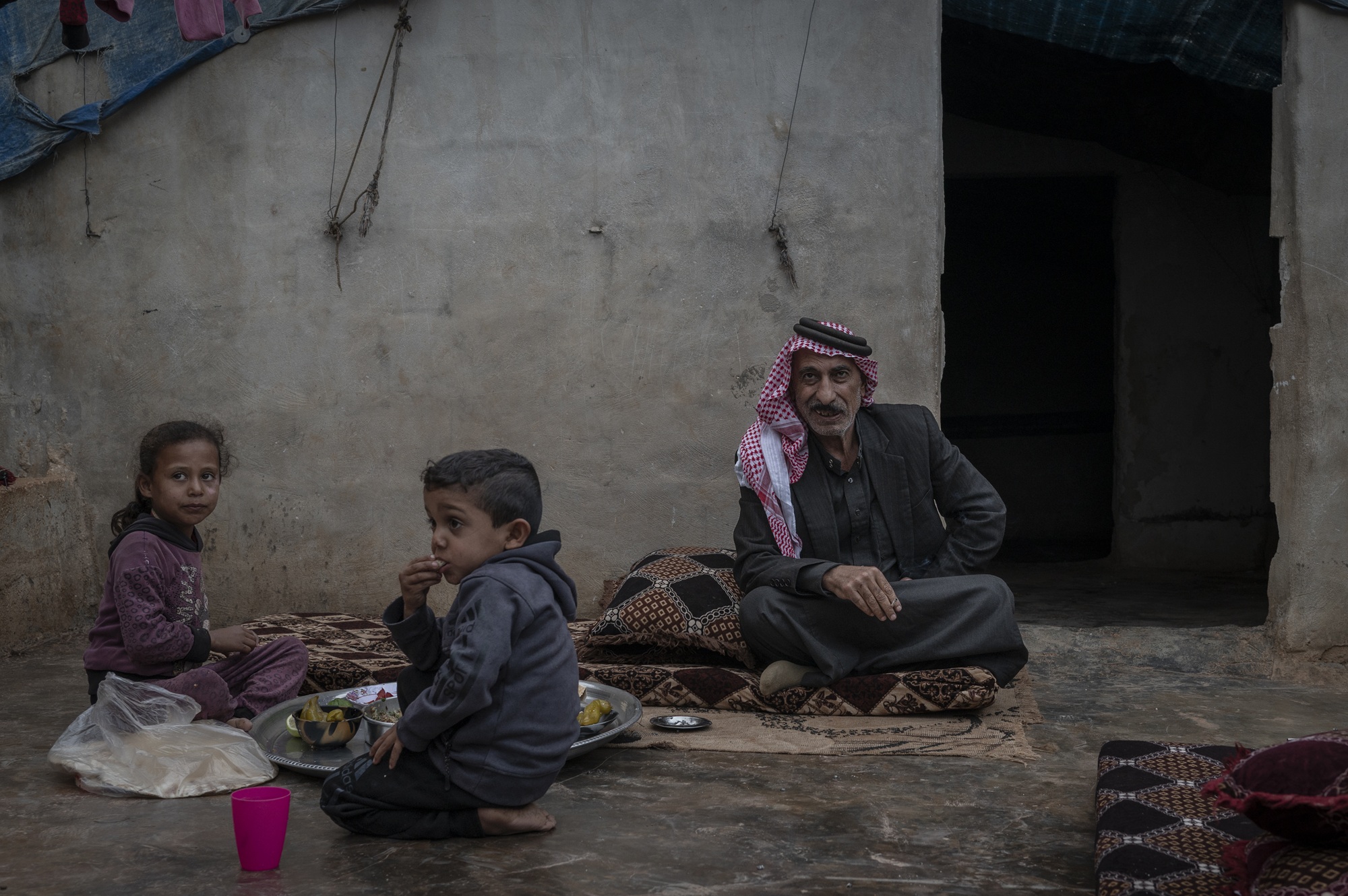
In the Karameh IDP camp in Atmeh, northwest Syria, displaced families like that of Mustafa Abdelqader are struggling for survival. “We’re left with no aid, just a little food trickling in,” he lamented, illustrating the urgent plight faced by countless families.
With 16 million people—over 70% of Syria’s population—now dependent on humanitarian assistance, the timing of these cuts is catastrophic. The funding reduction has halted crucial services, leaving many regions, particularly Idlib, without health care, sanitation, or clean drinking water. “The funding cuts were brutal,” stated Mohamed Fadel, director of the Sarmin Health Center, as health care staff went months without supplies.
As winter approaches, the situation is becoming increasingly desperate. Families are forced to ration food to just one meal a day and face severe water shortages. “Before, we had water for an hour a day; now it’s just ten minutes, and it’s contaminated,” said Abu Muhammad, a father of six in Hamze camp. The lack of water and sanitation services has raised fears of new outbreaks of diseases, especially cholera.
The cuts follow a year since the fall of President Bashar al-Assad‘s regime, which has left the country in ruins. With over 600,000 deaths reported and more than 100,000 people missing, the humanitarian toll is staggering. The transitional government, now led by Ahmad al-Shara, faces the monumental task of rebuilding while simultaneously managing a crisis exacerbated by the lack of international support.
“Most cities are destroyed,” said Youssef Khoury, an NGO coordinator in Atmeh. “The needs are enormous and increasing, but the money is dwindling.” The funding shortfall is estimated at $237 million, leaving humanitarian organizations struggling to meet the basic needs of the population.
As the situation deteriorates, the international community is urged to reconsider its stance. “We’re at a critical moment where international aid is key to the success of this transition,” warned Mahmoud, a humanitarian consultant. The lack of reliable aid undermines stabilization efforts and further fuels conflict, pushing more Syrians to consider leaving the country.
Reports indicate that 80% of water, sanitation, and hygiene (WASH) services have been suspended, leading to a public health crisis. “The streets of Atmeh are filled with garbage,” revealed Abu Ali, a former humanitarian worker. “This increases the spread of diseases, and with the funding cuts, hundreds of workers have been dismissed.”
In Damascus, conditions are equally dire. Many neighborhoods remain in ruins with no access to essential services. “All WASH-related work is disappearing,” noted Nour, a humanitarian supervisor. With 90% of the population living in poverty, the humanitarian crisis is set to worsen unless immediate action is taken.
As winter looms, the need for aid has never been more urgent. Families are left to fend for themselves, often resorting to desperate measures just to survive. The international community is being called upon to respond before the situation becomes irreparable.
Stay tuned for further updates on this developing crisis in Syria.