Europe has approved a loan of $105 billion to support Ukraine in its ongoing defense against Russia, ensuring financial stability for the next two years. The agreement, reached after extensive negotiations in Brussels, aims to provide vital funding to Kyiv through a loan backed by the European Union’s budget. European Council President Antonio Costa emphasized the importance of this support, stating, “This will address the urgent financial needs of Ukraine.”
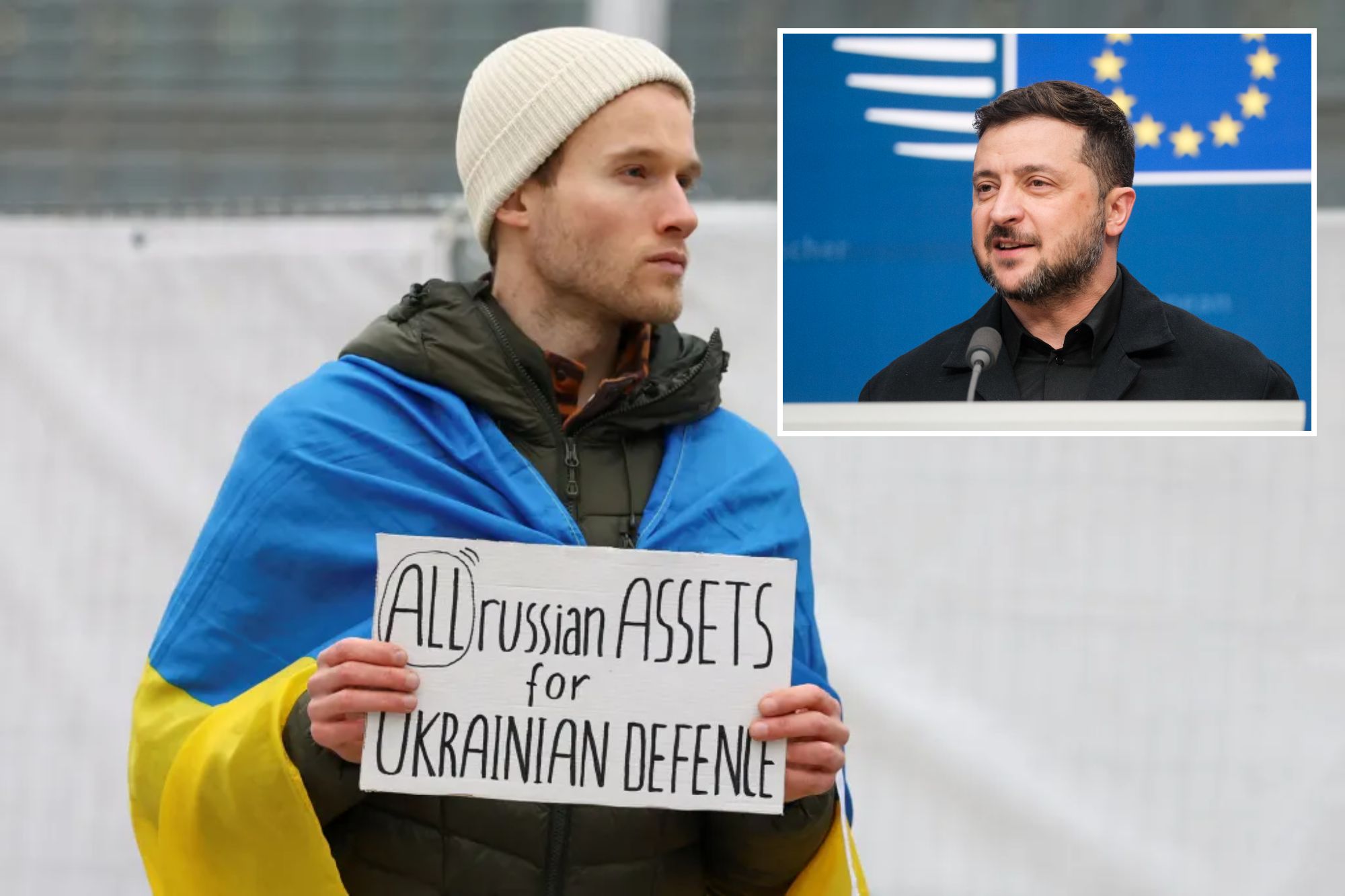
While the deal offers crucial assistance, leaders were unable to secure their preferred strategy of utilizing immobilized Russian state assets as collateral. This plan fell through at the last minute, leaving European officials to rely solely on the loan. The decision comes at a pivotal time, as Ukrainian officials have warned that the country could face a financial shortfall by early 2026 without external aid.
The financial support is particularly significant given the backdrop of ongoing peace negotiations between Ukraine and Russia, mediated by the United States. Tensions remain high, with Russian President Vladimir Putin recently reiterating his commitment to continue military operations despite diplomatic efforts. In light of this, ensuring a steady flow of military aid and financial resources to Ukraine is becoming increasingly critical.
Ukrainian President Volodymyr Zelensky welcomed the European loan, characterizing it as a “lifeline” for the country. He remarked on social media platform X, “This is significant support that truly strengthens our resilience.” Zelensky also highlighted the necessity of keeping Russian assets immobilized, reinforcing the need for a financial security guarantee in the coming years.
The funds are expected to be partially allocated for the purchase of weapons from the United States, which has been a point of contention among U.S. lawmakers. Republican senators have recently voiced the need for increased military production to bolster the American defense industry, indicating that Ukraine’s purchases could play a role in revitalizing domestic manufacturing.
In a letter addressed to President Trump, lawmakers noted, “Years of chronic underinvestment require an influx of new investment to scale up production to meet U.S. defense needs.” As the situation evolves, the implications of this loan on both Ukrainian defense capabilities and international relations will be closely monitored.
As peace talks continue, the outcomes remain uncertain, but the financial backing from Europe signals a robust commitment to supporting Ukraine during these tumultuous times.