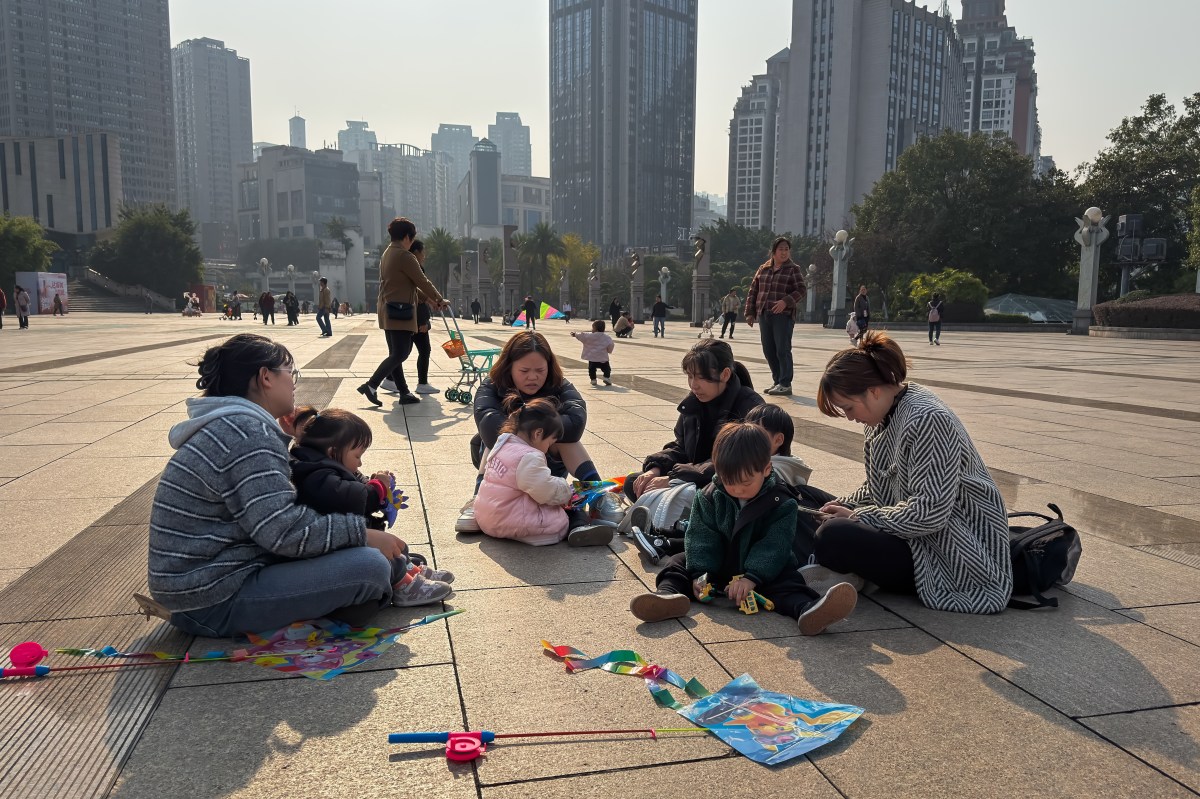
Chinese President Xi Jinping is confronting a significant demographic challenge as China faces a declining birth rate, raising concerns about the nation’s future economic stability. This issue has become increasingly urgent, with the government implementing various policies aimed at reversing the trend.
The fertility crisis has reached alarming levels, with over two-thirds of the global population residing in countries below the replacement fertility rate of 2.1 births per woman. In China, the total fertility rate is among the lowest worldwide, influenced by a competitive work environment, rising living costs, workplace discrimination, and shifting attitudes among younger generations. Despite a temporary increase in the fertility rate last year, attributed to the delayed impact of the COVID-19 pandemic and the auspicious Year of the Dragon in 2024, the long-term trend is concerning. Births plummeted from nearly 18 million in 2016, when China ended its One Child Policy, to just half that number in 2023.
This decline is prompting urgent action from policymakers, as children are a vital driver of consumption—an area that has struggled to recover since the end of pandemic lockdowns. A shrinking workforce, coupled with an increasing elderly population, threatens to strain China’s social safety nets and economic vitality. Premier Li Qiang underscored the importance of boosting the birth rate in his government work report presented during the National People’s Congress annual meeting in March, identifying it as a national priority.
Government Initiatives to Encourage Childbirth
In response to the demographic crisis, the Chinese government has introduced several initiatives aimed at encouraging families to have more children. A notable policy includes a nationwide cash allowance of 3,600 yuan (approximately $500) per year for each child born on or after January 1, 2025. This financial support will continue until the child reaches three years of age, reflecting the government’s commitment to addressing the declining birth rate. According to Xiujian Peng, a senior research fellow at Victoria University’s Centre of Policy Studies, this initiative represents a significant shift in policy focus, emphasizing the importance of family support.
Additionally, starting in the fall semester of 2025, China will waive tuition fees for the final year of kindergarten in all public preschools nationwide. This policy also extends to eligible private institutions and aims to alleviate educational costs during a critical stage of early childhood development. Officials estimate that approximately 12 million children will benefit from these changes in the first semester.
Enhancing Parental Leave and Support Systems
The Chinese government is also enhancing parental leave policies to create a more supportive environment for families. In 2025, several provinces will extend standard maternity leave to at least 158 days, with most regions introducing an additional 15 days of paternity leave and shared parental leave ranging from five to twenty days. These modifications are designed to standardize and improve access to parental leave across the country.
Moreover, a key administrative change will allow maternity benefits to be paid directly to mothers’ bank accounts, rather than through employers. As of early 2025, this direct-payment system has been implemented in twenty provincial-level regions, streamlining access to benefits and reducing delays.
The combination of financial support, educational assistance, and enhanced parental leave policies signifies a comprehensive approach by the Chinese government to tackle the impending population crisis. As the nation navigates this complex challenge, the effectiveness of these measures will be crucial in shaping China’s demographic landscape and economic future.