UPDATE: The U.S. House of Representatives is set to vote this week on H.R. 845, the “Pet and Livestock Protection Act of 2025,” which aims to remove gray wolves from the federal Endangered Species Act list. This legislation, if passed, will grant state wildlife agencies authority to manage wolf populations.
The vote comes amidst alarming reports of wolf activity near Little Shasta Elementary School in Siskiyou County, California. Just today, local officials confirmed that wolves were spotted as close as 0.6 miles from the school, raising urgent safety concerns for children who often wait for school buses outdoors.
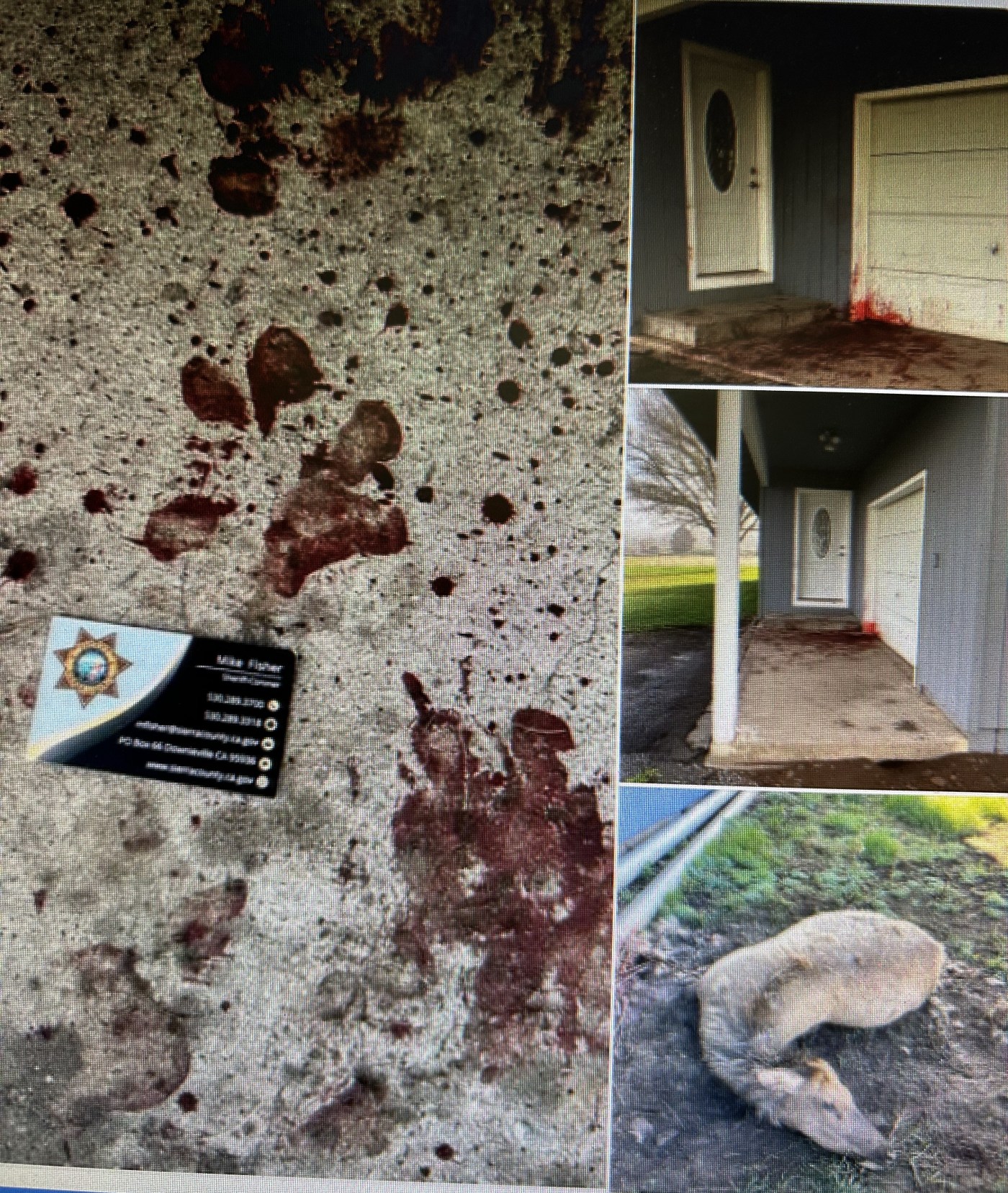
Jess Harris, a Siskiyou County Supervisor, emphasized the escalating threat, stating, “The increasing habituation of wolves to human presence represents a serious and escalating public safety concern. Immediate, common-sense wildlife management is urgently needed.” As wolves have been reported chasing cattle less than a mile from the school, community fears are mounting.
This vote is crucial as it reinstates a 2020 rule by the U.S. Fish and Wildlife Service that delisted gray wolves across the lower 48 states. The Cattlemen’s Association is urging its members to contact their representatives and advocate for a YES vote on H.R. 845. Members can find their representatives by visiting www.house.gov.
The situation in California is reflective of a broader trend in rural communities where wolf populations are increasing. A report by agriculture journalist Angie Stump Denton noted that ranchers in regions like Sierra Valley are experiencing significant livestock losses. These losses go beyond just dead animals; they include stressed herds, reduced weight in calves, and emotional toll on ranching families.
Ranchers highlighted that the presence of wolves has led to sleepless nights and increased mental stress, affecting not only their livelihoods but also the local economy. “When ranching families suffer, entire rural communities feel it,” warned Denton, pointing out that reduced herd sizes impact local schools, veterinary services, and community resources.
Furthermore, UC-Davis research indicates that the indirect costs of wolf presence—such as reproduction loss and altered herd behavior—can lead to substantial financial losses for producers. Wolves have been shown to inflict higher livestock losses compared to other predators, underscoring the urgency of effective management policies.
As the vote approaches, ranchers are not asking for wolves to disappear but are calling for realistic management strategies. This includes timely compensation for losses and the authority to intervene during livestock attacks.
In light of these challenges, the Tehama County Cattlemen’s Winter Dinner on January 10 will serve as a rallying point for local farmers, featuring a prime rib dinner and a scholarship auction to support future generations in agriculture.
The outcome of H.R. 845 will undoubtedly have lasting implications for both wildlife management and the safety of rural communities. As the vote looms, concerned citizens are urged to take action and advocate for their local representatives to ensure that community safety remains a priority.
Stay tuned for more updates on this developing story.