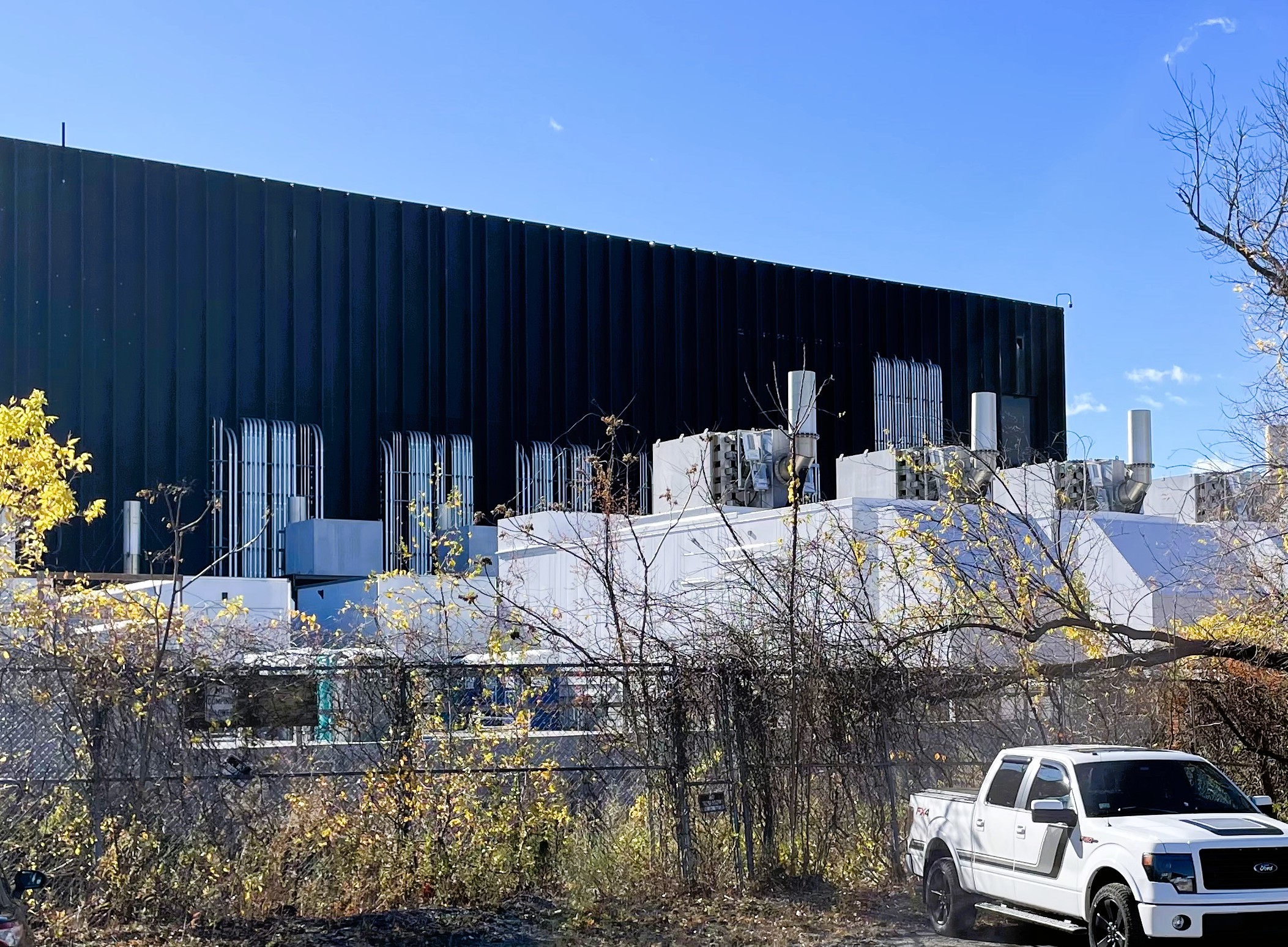
State Representative Rodney Elliott has introduced legislation aimed at protecting residential electricity customers from rising costs linked to the increasing number of large data centers in Massachusetts. The bill, identified as HD.5404, was submitted on December 5, 2023, in response to concerns raised by constituents and collaboration with environmental advocates.
Elliott emphasized the urgency of the situation, stating, “I am deeply concerned with the skyrocketing energy costs residents and small businesses are seeing every month.” He noted that as data centers expand and consume significant amounts of energy, the proposed legislation seeks to shield families and seniors from escalating electricity bills.
According to a report from the State House News Service, the power demand from U.S. data centers is projected to rise to 106 gigawatts by 2035. This surge is largely attributed to advancements in artificial intelligence and could impact Massachusetts’s goals for decarbonization and leadership in AI technology. Currently, the state hosts 49 data centers, with 31 located in Boston. Other significant areas include Marlboro, which has six centers, and Worcester and Springfield, each home to two facilities.
One notable data center is the Markley Group facility in Lowell, situated in the Sacred Heart neighborhood. The Lowell Planning Board approved the site plan in 2015, with the City Council following in 2016. However, the project has faced ongoing challenges, including community concerns about noise, air quality, and a perceived lack of transparency from the company. Markley’s plans indicated a potential need for substantial power generation, with estimates suggesting up to 60 megawatts of power might require up to 20 backup generators, consuming between 150,000 to 200,000 gallons of fuel.
Elliott’s bill defines a “large data center” as a facility that requires 10 megawatts or more of power. In September 2023, Markley requested approval for an additional 96,700 gallons of fuel for emergency backup generators, which would raise the total fuel capacity to nearly 168,000 gallons. This request was withdrawn following significant opposition from neighbors concerned about increased noise and air pollution in an area already impacted by high asthma rates.
Community members are particularly focused on how the energy usage of data centers affects utility rates. Elliott’s legislation aims to prevent utility companies from raising rates for residential or income-eligible customers due to the presence of large data centers. It also mandates that the state Department of Public Utilities reviews costs related to data center construction and operations to ensure these expenses are not passed on to households.
“This bill is a proactive step to protect residents from cost-shifting while promoting responsible energy planning,” Elliott stated. He emphasized the importance of balancing technological growth with consumer protection.
City Councilor Kim Scott, who represents the district where the Markley facility is located, expressed her support for Elliott’s initiative. She remarked, “It is not reasonable for households to absorb higher electric rates to support the massive energy demands of data centers.” Scott also indicated that she hopes this bill is a precursor to ensuring that water rates and infrastructure costs associated with these facilities do not fall on ratepayers.
In addition to these legislative efforts, the city of Lowell has conducted an audit of its zoning regulations regarding data centers. This audit revealed that the current zoning ordinance lacks clear definitions and standards for such facilities. Moving forward, the city plans to establish a steering committee to guide community outreach and review proposed updates to the zoning ordinance.
“I intend to be a hawk on zoning changes that affect my residents,” Scott asserted. Elliott’s proposed legislation was referred to the House Committee on Rules on December 11, 2023, marking the beginning of what could be a significant shift in how Massachusetts manages the intersection of energy demand and community impact.