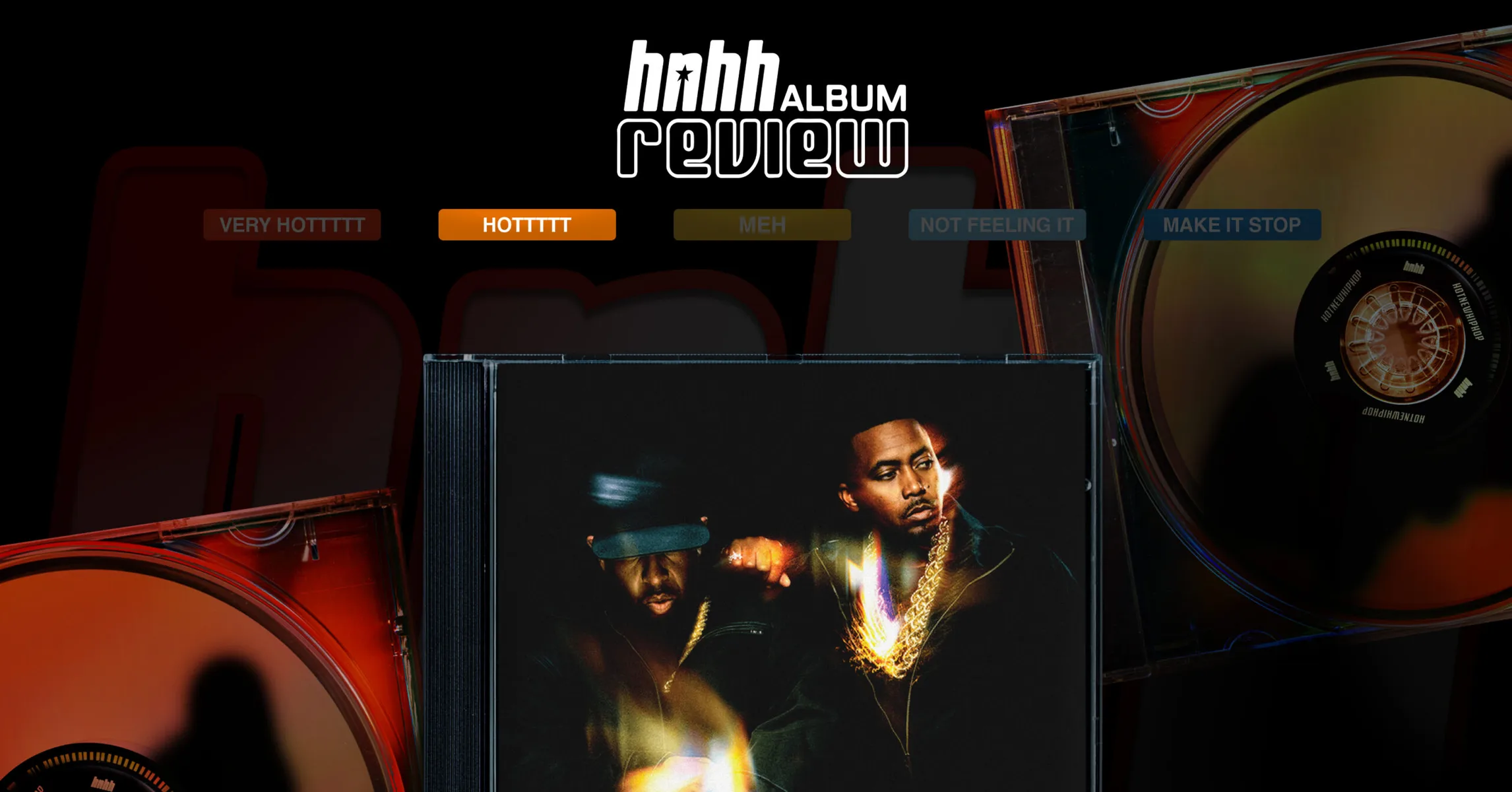
Nas and DJ Premier have released their highly anticipated collaboration album, titled Light-Years, as part of Mass Appeal’s ongoing Legend Has It series. The album arrives at a pivotal moment for hip-hop, reflecting on the genre’s roots while engaging with contemporary themes. It serves as a testament to the enduring legacy of both artists, who have shaped the East Coast rap scene for decades.
The album’s release on March 15, 2025, marks a significant milestone in Nas’s career, which has often been scrutinized against the backdrop of his iconic debut, Illmatic. Over the past six years, Nas has worked diligently to redefine his legacy, moving away from the notion that he is simply a legacy act. Instead, he has emerged as a formidable force, winning his first Grammy and producing several acclaimed projects in collaboration with Hit-Boy.
Nostalgic Sound Meets Contemporary Themes
In Light-Years, the chemistry between Nas and Premier is palpable. Their collaboration hearkens back to classic tracks like “NY State of Mind” and “Memory Lane,” with Premier’s production steeped in the essence of hip-hop’s golden era. The beats, characterized by straightforward loops and dusty samples, evoke a sense of nostalgia that resonates with longtime fans of the genre.
Listeners familiar with the history of hip-hop will appreciate the subtle references embedded in the tracks. For instance, “Pause Tapes” incorporates elements from Marley Marl‘s “Droppin’ Science,” while “It’s Time” intertwines snippets from Fat Joe and the Beastie Boys with a melody from Steve Miller Band. Such nods serve not only as tributes but as markers of the genre’s rich history.
Despite its nostalgic allure, the album occasionally grapples with the challenge of innovation. Some tracks, like “Welcome to the Underground,” risk falling into the trap of reenactment rather than evolution. Nonetheless, standout moments shine through. “Writers” captures Premier’s jazz-inflected grit alongside Nas’s celebration of New York’s underground artists, creating a vivid portrait of the city’s cultural landscape.
Complex Narratives and Self-Reflection
Lyrically, Nas continues to weave intricate stories that reflect his experiences and observations. His ability to paint vivid pictures with words remains sharp, showcasing neighborhoods and communities that bear the weight of change. Yet, there exists a tension in his narratives, particularly as he addresses his role in the city’s transformation, which includes involvement in controversial development projects.
One notable track, “Git Ready,” juxtaposes the allure of crypto wealth with nostalgic memories of simpler times. While the technical aspects are commendable, some critics argue that this exploration feels disconnected from the emotional depth typically associated with Nas’s work. In contrast, tracks like “Nasty Esco Nasir” allow him to flex his lyrical prowess as he revisits his past personas, showcasing his growth as an artist.
The album also features a guest appearance by AZ on the track “My Story Your Story.” Their collaboration serves as a reminder of their shared lyrical chemistry dating back to “Life’s a Bitch,” reinforcing the timeless nature of their storytelling.
In “New York State of Mind, Pt. III,” Nas reflects on the evolution of the city, highlighting the erasure of nightlife landmarks and the impact of gentrification. This introspective approach adds layers to the album, positioning it as a commentary on the current state of hip-hop and urban life.
Ultimately, Light-Years fulfills its mission as an homage to a bygone era, yet it does not aim to redefine the legacies of either artist. It stands as a love letter to a raw, vibrant New York that has shifted over time. For those who experienced the culture in its formative years, this album offers a comforting reminder of what once was.
Listeners have responded positively to the album, with a rating of 4.38 out of 5 stars on HotNewHipHop based on 20 reviews. Fans have praised the duo’s execution, emphasizing the album’s enjoyable concepts and lyrics. One user noted, “Amazing Album. Enjoyable Concepts and lyrics are always,” while another remarked on its enduring quality, stating that it “still sounds really good three decades later.”
As Nas and DJ Premier reflect on the past, they invite listeners to remember the foundational figures of hip-hop while navigating the complexities of its present. While the album may not push the genre forward, it serves as a critical reminder of the roots that continue to shape the landscape of music today.