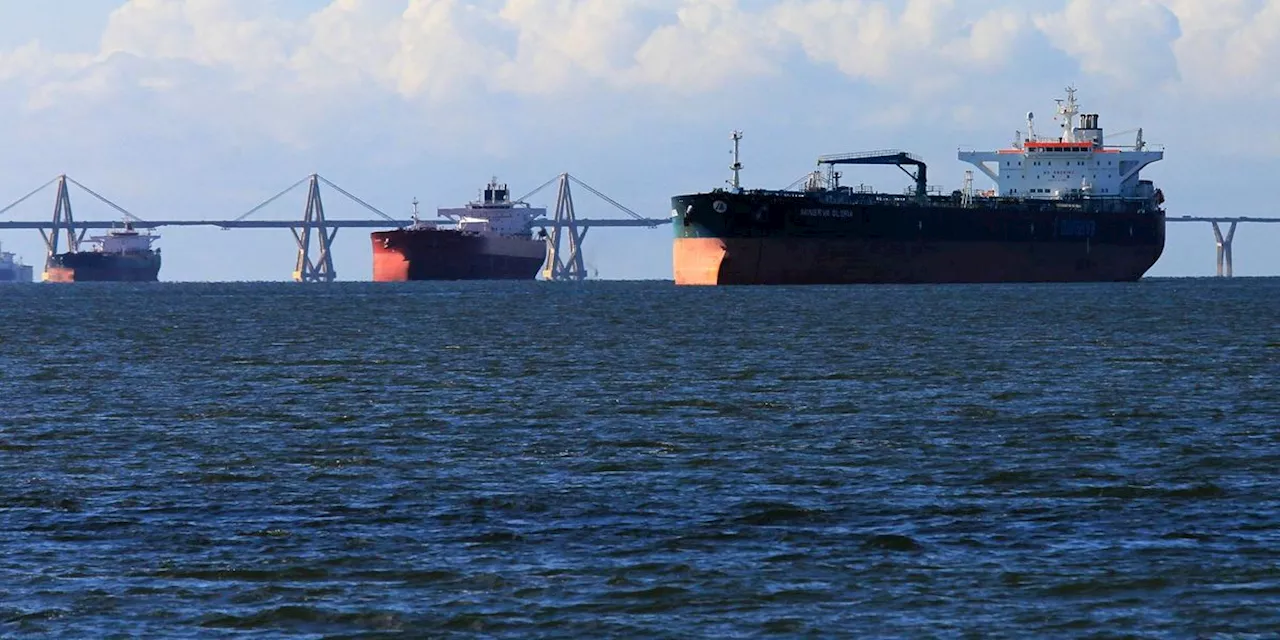
On December 16, 2025, former President Donald Trump announced a “total and complete blockade” of oil tankers entering or leaving Venezuela. In a statement delivered through his media platform, Trump claimed that Venezuela was “completely surrounded by the largest Armada ever assembled in the History of South America.” He asserted that this blockade would remain in place until all Venezuelan “oil, land, and other assets” were returned to the United States. This declaration not only represents a significant escalation in U.S. foreign policy but also raises serious constitutional questions regarding the limits of executive power.
The blockade, which has been described as undeclared and unauthorized, poses a direct challenge to the War Powers Resolution, a statute designed to restrict unilateral military actions by the President. Historically, previous administrations have employed sanctions and diplomatic measures to address foreign disputes over resources. In stark contrast, Trump’s blockade shifts the approach from legal arbitration to military coercion, which fundamentally alters the legal landscape of U.S. foreign policy.
Constitutional Implications of the Blockade
Under Article I of the U.S. Constitution, the power to declare war and authorize military actions rests solely with Congress. Article II grants the President the role of Commander-in-Chief but does not include the authority to conduct sustained military operations without legislative approval. The War Powers Resolution of 1973 was established to maintain this balance, mandating that any military engagement likely to lead to hostilities requires congressional consent.
The blockade declared by Trump constitutes a use of force under both domestic and international law. Such actions are inherently confrontational, asserting control over international waters and restricting maritime commerce of a sovereign nation. Therefore, this blockade is not merely a strategic foreign policy decision; it represents a constitutional breach.
Trump’s justification for the blockade hinges on the assertion that Venezuela has “stolen” American oil. This claim is historically and legally unfounded. The Venezuelan oil sector was nationalized in 1976 with the establishment of Petróleos de Venezuela, S.A. Over the years, foreign companies, including ExxonMobil and ConocoPhillips, operated under negotiated agreements. In the early 2000s, Venezuela transitioned these projects into joint ventures where the state held majority control.
These actions were not acts of theft but legitimate sovereign rights under international law. Disputes arising from these nationalizations were typically resolved through arbitration and negotiation, not military force. Even as tensions escalated, the U.S. relied on sanctions and diplomatic measures rather than blockades or coercive military actions.
The Legal and Diplomatic Path Forward
It is critical to differentiate between sanctions enforcement and military action. Sanctions, managed by the Office of Foreign Assets Control, regulate economic activities and do not extend to the armed interception of foreign vessels in international waters. While isolated incidents of tanker seizures have occurred under civil forfeiture laws, the transition to a systematic naval blockade represents a significant escalation into armed coercion.
The indefinite nature of the blockade, its announced expansion, and its linkage to political demands diverge significantly from the legal bounds established by the War Powers Resolution and past legal interpretations. If a President can unilaterally impose a blockade based on economic grievances or allegations of misconduct, the very essence of the separation of powers is at risk.
Restoring constitutional norms requires Congress to reassert its role. Legislative measures, such as House Concurrent Resolution 64, can enforce the War Powers Resolution and curtail unauthorized military actions. The Executive branch must revert to lawful enforcement mechanisms, relying on civil forfeiture, targeted sanctions, and international arbitration, rather than engaging in coercive naval operations.
Diplomatic engagement must be prioritized to resolve disputes over Venezuela’s resource management through negotiation and international processes, rather than unilateral military actions. The United States has long positioned itself as a proponent of a rule-based international order, a stance that cannot be maintained if it is undermined domestically.
The blockade may be perceived by some as a demonstration of strength, yet it signifies a perilous erosion of constitutional governance. When the executive branch crosses constitutional boundaries without accountability, it signals a drift toward autocracy. It is essential for Congress to act, for the judiciary to provide oversight, and for the public to demand that power is exercised within the confines of the law.
Ultimately, if the executive can impose a blockade without legislative approval, the Constitution risks becoming a mere suggestion rather than a safeguard for governance.