AUSTIN – Texas cities could face fines ranging from $25,000 to $125,000 as the state intensifies enforcement of Senate Bill 8, a law that limits access to public restrooms based on a person’s sex assigned at birth. The announcement came from Texas Attorney General Ken Paxton, who introduced a public tip line on Wednesday for residents to report non-compliance by public institutions. This has reignited debates surrounding the legislation, often referred to as the “bathroom bill.”
Controversy Surrounds Enforcement of Senate Bill 8
Senate Bill 8, officially known as the Women’s Privacy Act, applies to public buildings owned by cities, counties, state agencies, and educational institutions. Critics argue that the law increases the potential for discrimination and harassment against transgender and gender-nonconforming individuals. Landon Richie, policy coordinator for the Transgender Education Network of Texas, emphasized the dangers posed by the law, stating, “Laws like SB 8 don’t only endanger and encourage discrimination against trans and gender expansive people, they also make essential facilities less safe for everyone.”
Supporters maintain that the law is a necessary measure to safeguard the privacy and security of women and children in public spaces. Nevertheless, since its implementation earlier in March 2024, the law has faced substantial backlash from civil rights groups and local officials who label it as discriminatory and unconstitutional.
Local Governments Respond
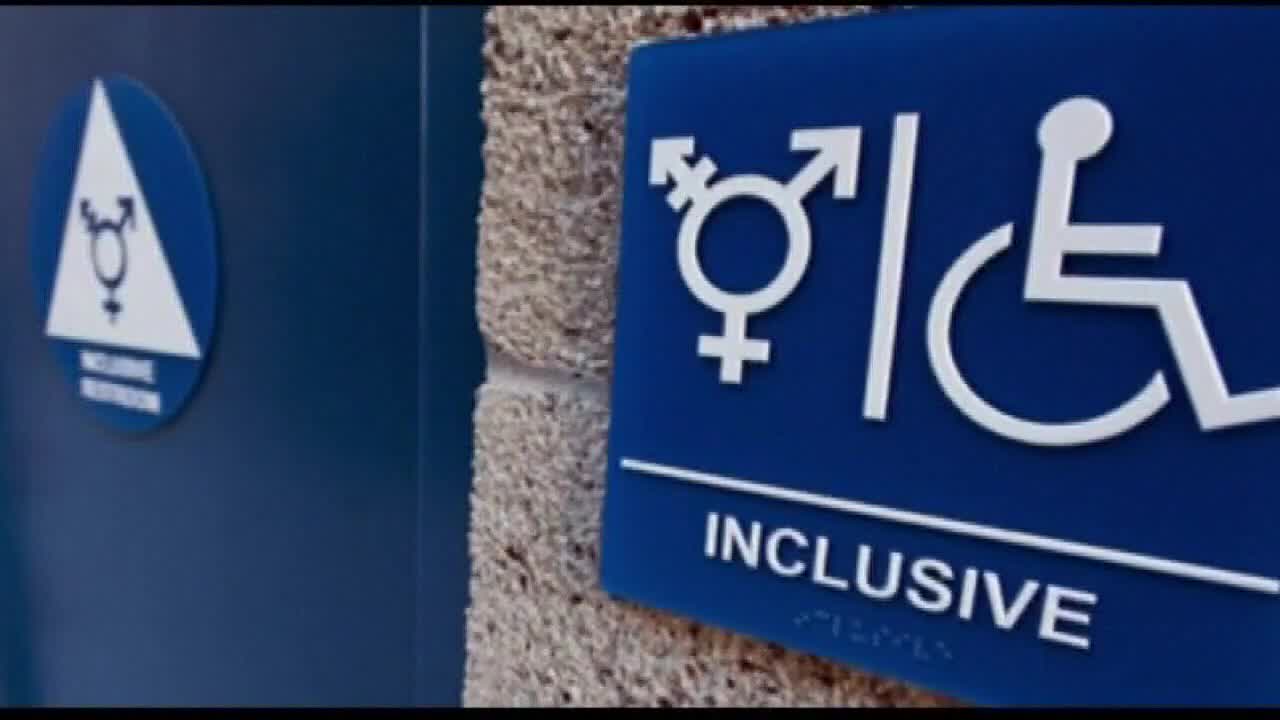
In Austin, Mike Siegel, a city council member representing District 7, criticized the law as unjust and politically motivated. He remarked, “It’s very likely unconstitutional. It’s motivated by a hateful, discriminatory animus. It’s really designed to divide us and conquer us for cynical political ends.” In light of the law, the Austin City Council has passed a resolution directing the city manager to create a plan for gender-inclusive bathrooms in city-owned buildings.
This initiative may involve the installation of fully enclosed, single-use restrooms that comply with state law while ensuring inclusive access. Council member José Velásquez stated that this effort represents a rejection of what he perceives as discriminatory rhetoric. “We’re saying no to bullying. We’re saying no to hateful rhetoric coming from the White House and folks down the street,” he said. “Protecting our trans and non-binary friends is not optional.”
The city manager is expected to present a comprehensive capital improvements program addressing bathroom inclusivity to the city council by March 20, 2026.
Numerous civil rights organizations, including Equality Texas, the Human Rights Campaign, and the American Civil Liberties Union, have also voiced strong opposition to Senate Bill 8. Legal challenges against the law are anticipated as the debate over public restroom access continues to evolve in Texas.