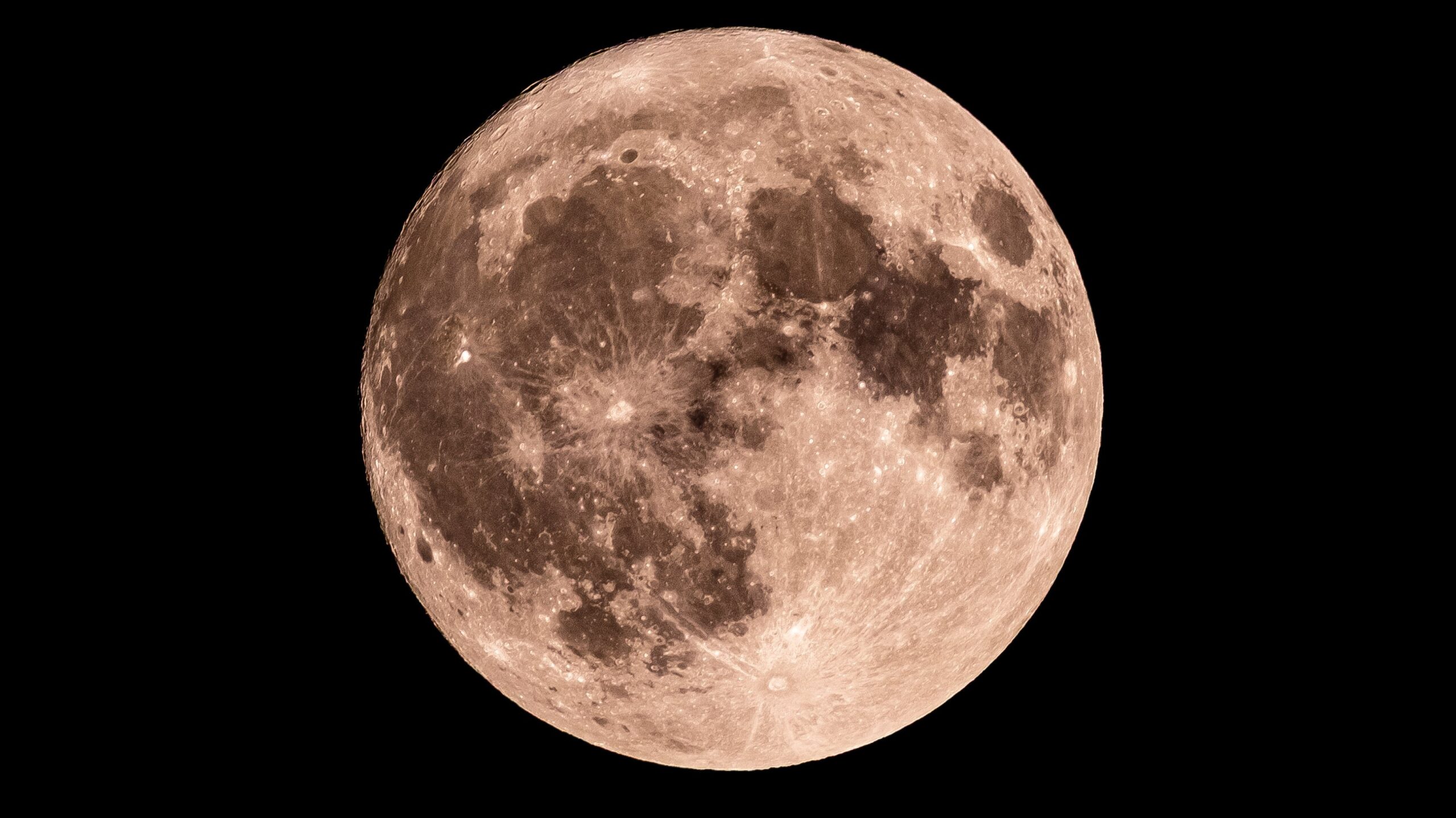
The Moon is transitioning into a new lunar cycle, becoming more visible each evening as it moves towards the next Full Moon. As of December 21, observers in the United States will see a Waxing Crescent phase, with only 2% of the Moon illuminated tonight, according to NASA. Although the Moon’s surface remains mostly dark, this marks the beginning of its journey to full brightness.
Understanding Lunar Phases
The lunar cycle, which takes approximately 29.5 days to complete, involves a series of phases as the Moon orbits Earth. This cycle explains why the same side of the Moon is always visible, yet its appearance changes dramatically. The illumination we see is due to the varying amounts of sunlight reflecting off its surface.
The Moon’s phases can be categorized into eight main stages:
– **New Moon**: The Moon is positioned between Earth and the Sun, rendering it invisible.
– **Waxing Crescent**: A small sliver of light appears on the right side in the Northern Hemisphere.
– **First Quarter**: Half of the Moon is illuminated on the right side, creating a half-moon shape.
– **Waxing Gibbous**: More than half of the Moon is lit, approaching fullness.
– **Full Moon**: The entire face of the Moon is illuminated and fully visible.
– **Waning Gibbous**: The Moon begins to lose light on the right side.
– **Third Quarter (Last Quarter)**: Another half-moon, but now the left side is lit.
– **Waning Crescent**: A thin sliver of light remains on the left side before the cycle returns to darkness.
The next Full Moon will occur on January 3, following the last Full Moon on December 4. As the lunar cycle progresses, stargazers can anticipate a gradual increase in the Moon’s brightness, culminating in the full illumination.
Understanding these phases not only enriches our appreciation of the Moon but also connects us to the natural rhythms of our universe. As the Moon continues to wax, it invites opportunities for observation and reflection, offering a celestial spectacle for all to enjoy.