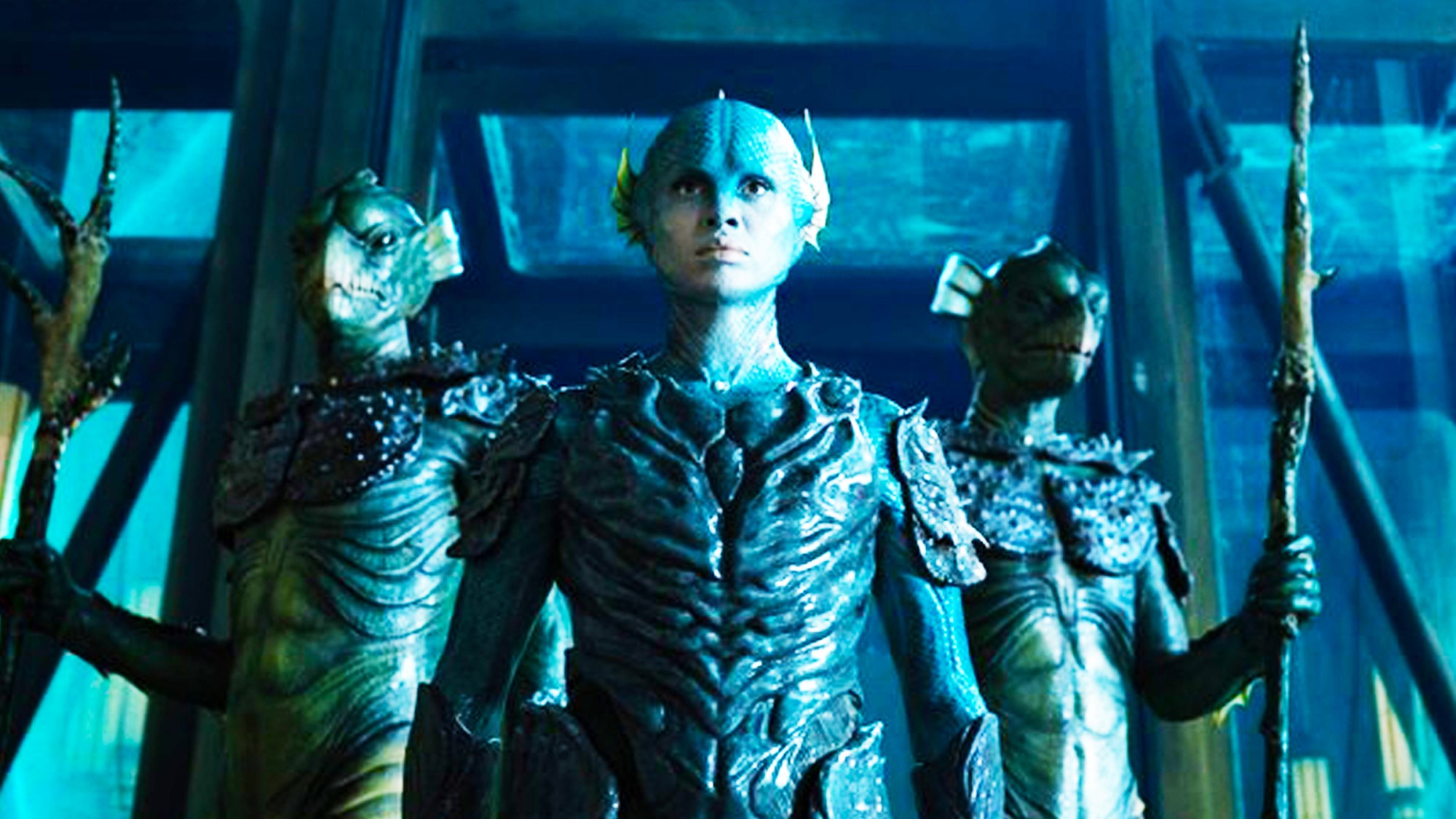
The latest spinoff from the iconic series Doctor Who, titled The War Between the Land and the Sea, has adopted a release strategy that echoes the successful approach used during its earlier iterations. This strategy, involving the release of a limited series of episodes in a condensed timeframe, has garnered significant acclaim and has reignited discussions about the potential direction of the franchise.
Russell T. Davies, the showrunner behind both the original series revival and its recent resurgence, has faced criticism regarding the main show’s writing and thematic direction. In this context, the new spinoff, which features the classic adversaries, the Sea Devils, battling humanity for control of Earth, has received positive feedback from audiences and critics alike.
Success of the Five-Episode Format
The format of The War Between the Land and the Sea consists of just five episodes, a structure that closely mirrors the acclaimed Torchwood: Children of Earth, which aired in 2009. The original series set a high bar by releasing its episodes consecutively over one week, creating a compelling viewing experience that kept audiences engaged. The current spinoff has similarly been praised for its tight narrative and fast-paced action, suggesting that a shorter episode count may be optimal for the franchise.
The previous spinoff, Torchwood: Children of Earth, distinguished itself by focusing on a singular, high-stakes event—the arrival of the alien 456, who demanded a disturbing percentage of Earth’s children. This central conflict propelled the narrative and allowed for a focused exploration of the characters’ responses to extreme circumstances. The five-episode format eliminated extraneous plot lines, maintaining a brisk pace and high energy throughout the series.
In contrast, Torchwood: Miracle Day, released in 2011, is often critiqued for its extended runtime, which detracted from the overall impact of the story. Many fans and critics alike believe that a five-episode structure would have enhanced its effectiveness, emphasizing the potential benefits of brevity.
A Focus on Engaging Storytelling
The central narrative of The War Between the Land and the Sea follows Barclay, a transport clerk for the Unified Intelligence Taskforce (UNIT), portrayed by Russell Tovey. He is thrust into a pivotal role as humanity’s ambassador during tense negotiations with the Sea Devils. The series skillfully blends action and drama, keeping viewers on the edge of their seats as Barclay navigates complex alliances and conflicts.
The decision to limit the series to five episodes not only keeps production costs manageable but also allows for more dynamic storytelling. With a tighter narrative, the series can focus on character development and thrilling plot twists without unnecessary filler. As discussions about future Doctor Who spinoffs gain momentum, the success of this format raises the prospect of more compact series that could help restore the franchise’s esteemed reputation.
In conclusion, the resurgence of Doctor Who spinoffs under Russell T. Davies demonstrates the effectiveness of a concise episode format. With audience praise for The War Between the Land and the Sea and its resemblance to the beloved Torchwood: Children of Earth, there is a compelling case for adopting this release strategy in future projects. As the franchise evolves, the focus on brevity and impactful storytelling could prove essential for maintaining viewer engagement and critical acclaim.