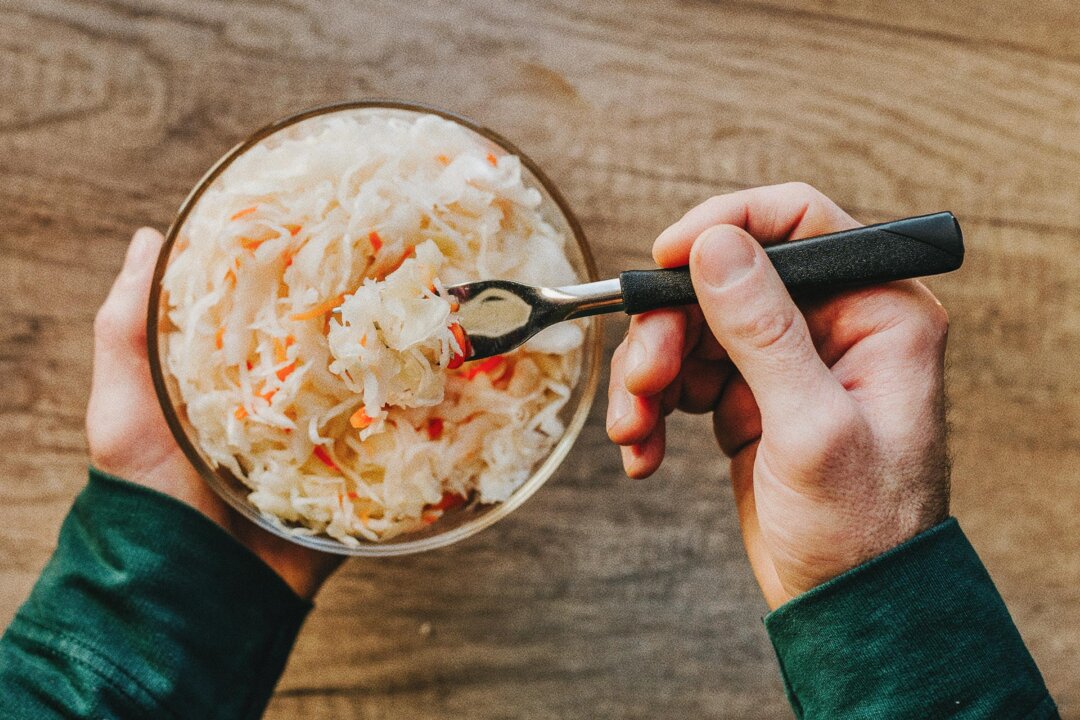
Many individuals experience digestive discomfort such as bloating, gas, or stomach pain at some point in their lives. While these issues are often temporary, they can be persistent, prompting a closer examination of gut health and how everyday foods contribute to digestive wellness. Among these foods, sauerkraut stands out as a time-honored option. This fermented cabbage dish is rich in naturally occurring probiotics and prebiotics, making it an accessible and cost-effective way to support a healthy digestive system.
The Importance of Gut Health
The human digestive tract houses trillions of microorganisms, including bacteria, viruses, and fungi. Collectively, these organisms form the gut microbiome, which is crucial for digestion, nutrient absorption, immune function, and overall well-being. Disruptions in this microbial balance can lead to various digestive symptoms and have effects that extend beyond the gut.
Research has linked a healthy gut microbiome to improved mental health, enhanced immune response, and a lower risk of chronic diseases. This connection underscores the significance of monitoring and maintaining gut health through dietary choices.
Why Sauerkraut is Beneficial
Sauerkraut is created through the fermentation of cabbage, a process that not only preserves the vegetable but enriches it with beneficial bacteria known as probiotics. Probiotics are live microorganisms that can confer health benefits when consumed in adequate amounts. Furthermore, sauerkraut contains prebiotics, which are non-digestible fibers that feed these beneficial bacteria, promoting a balanced gut environment.
A single serving of sauerkraut can contain up to 1 billion CFUs (colony-forming units) of probiotics, depending on the fermentation process. This high concentration makes it an effective dietary source for individuals looking to improve their digestive health.
Making sauerkraut at home is straightforward and requires minimal ingredients, typically just cabbage and salt. The process involves shredding the cabbage, mixing it with salt, and allowing it to ferment in an anaerobic environment for several weeks. This not only preserves the cabbage but also enhances its nutritional profile.
How to Make Sauerkraut at Home
To create your own sauerkraut, follow these simple steps:
1. Start with one medium-sized head of cabbage, weighing around 1.5 kg. Remove the outer leaves and set them aside.
2. Shred the cabbage finely using a knife or a food processor.
3. Place the shredded cabbage in a large mixing bowl and sprinkle it with 2 tablespoons of salt. Massage the salt into the cabbage for about ten minutes until it releases its juices.
4. Pack the cabbage tightly into a clean glass jar, leaving some space at the top for the cabbage to expand during fermentation. Use the reserved outer leaves to cover the cabbage and keep it submerged in its juices.
5. Seal the jar with a lid, but do not tighten it completely to allow gases to escape. Store the jar in a cool, dark place for about 1 to 4 weeks, depending on your taste preference.
6. Taste the sauerkraut regularly until it reaches your desired flavor, then move it to the refrigerator to slow down the fermentation process.
Enjoying sauerkraut can be as simple as adding it to salads, sandwiches, or as a side dish to various meals. Its tangy flavor not only enhances food but also contributes to better digestion.
Incorporating sauerkraut into one’s diet can serve as a practical starting point for improving gut health. With its rich probiotic content and easy preparation, this age-old superfood continues to be relevant in contemporary discussions of nutrition and wellness. As more individuals seek natural solutions to digestive discomfort, sauerkraut remains a valuable addition to a balanced diet.