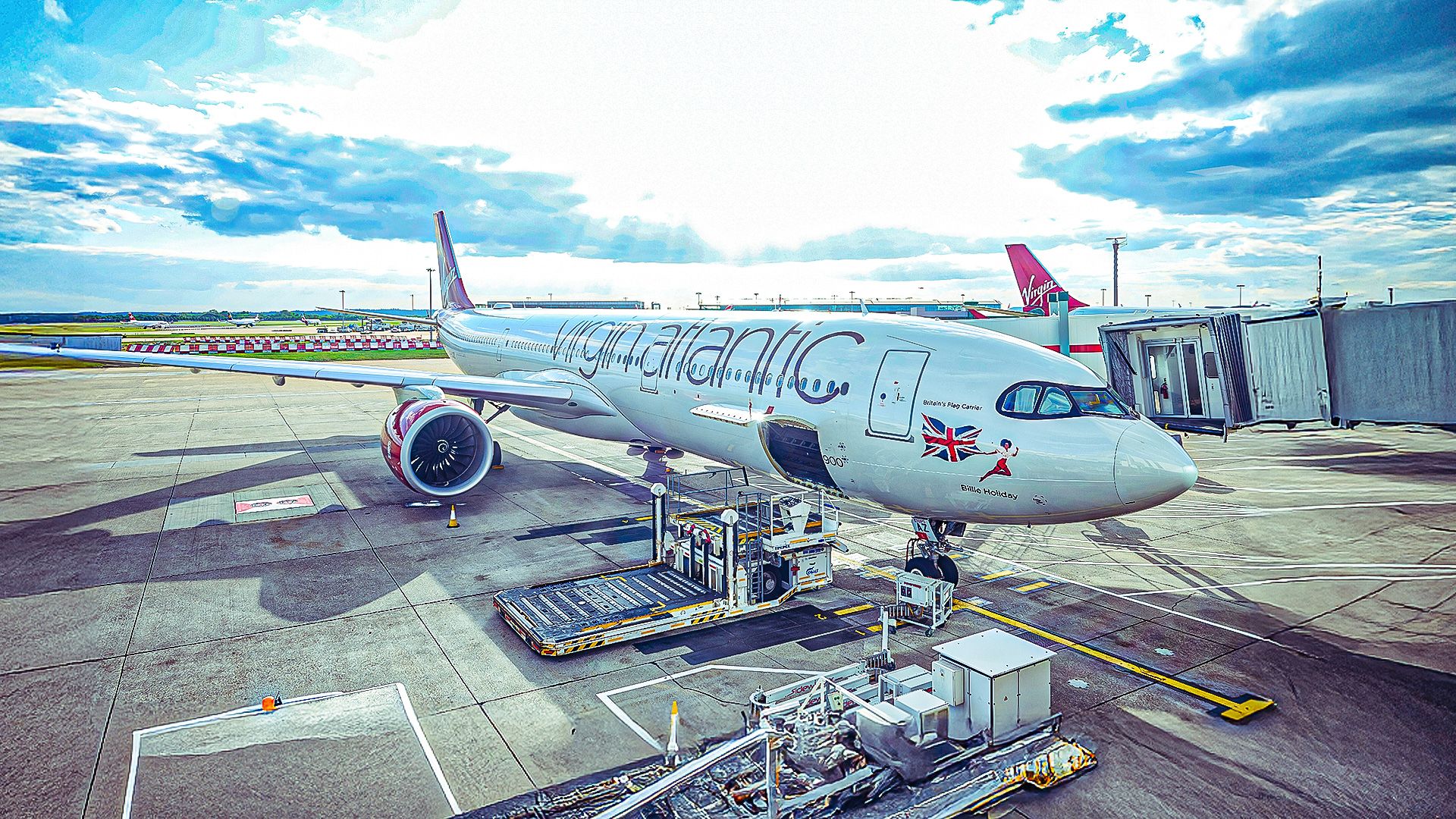
A passenger traveling on a Virgin Atlantic flight has been arrested at Miami International Airport (MIA) after authorities discovered she was carrying a substantial quantity of marijuana. The individual, identified as Begum Mulazimoglu, was apprehended with 65 pounds (approximately 29.5 kg) of the drug, vacuum-sealed within two checked suitcases. The incident occurred during routine customs checks, where officers detected a strong odor emanating from her luggage.
The 22-year-old resident of London, UK, was preparing to board a flight to London Heathrow Airport (LHR) when customs officials became suspicious. The bags were subjected to X-ray screening, which revealed a total of 60 vacuum-packed bundles of marijuana, with 30 bundles in each suitcase. Each package contained an Apple AirTag, a tracking device often used by traffickers to monitor their contraband.
During her bond hearing, Miami-Dade Judge Victoria Sigler remarked on the severity of the situation, emphasizing, “It looks like you’re charged with illegal trafficking in 65 pounds of marijuana. Well, that would be heavy.”
Legal Implications of the Arrest
Despite the significant amount of marijuana involved, Mulazimoglu will not face federal prosecution. Under Florida state law, however, she faces a first-degree felony charge, which carries a minimum prison sentence of three years for drug trafficking. The large quantity of marijuana complicates her case, as penalties are more severe for bulk amounts, even though marijuana is classified as a less serious narcotic compared to harder drugs such as cocaine or methamphetamine.
In a comparative context, a previous case in California highlighted the disparity in sentencing for marijuana-related offenses. In 2019, a former Southwest Airlines baggage handler was sentenced to 30 months in prison for smuggling 550 pounds (approximately 250 kg) of marijuana. In contrast, traffickers dealing with cocaine or methamphetamine often face sentences exceeding a decade due to the harsher legal classification of those substances.
Florida currently prohibits recreational marijuana use, although medical usage is permitted. A proposal to legalize recreational marijuana in 2024 did not gain enough support, but advocates plan to revisit the issue in the next legislative session.
Enhancing Drug Detection at Airports
The aviation sector has significantly advanced its technology for security and drug detection over the years. Enhanced screening methods are crucial in identifying drug trafficking attempts. In the fiscal year 2024, Customs and Border Protection (CBP) reported seizing over 573,000 pounds (approximately 259,900 kg) of illegal drugs at US borders, which includes various airport busts.
Recently, the CBP introduced an International Remote Baggage Screening initiative. This program enables officers to examine X-ray images of luggage at foreign airports, allowing them to flag suspicious bags before they arrive in the United States. This proactive approach aims to improve detection rates and streamline the processing of incoming flights.
Among the types of drugs being trafficked, opioids have emerged as a significant concern, particularly fentanyl. The Centers for Disease Control and Prevention (CDC) reported that fentanyl was responsible for over 48,000 overdose deaths in the United States last year. The CBP is also testing a new detection method for fentanyl, utilizing trace-vapor analysis technology to identify its presence more effectively.
This incident at Miami International Airport underscores the ongoing challenges law enforcement faces in combatting drug trafficking. As methods evolve and technology improves, authorities remain vigilant in their efforts to safeguard air travel and prevent illegal substances from entering the country.