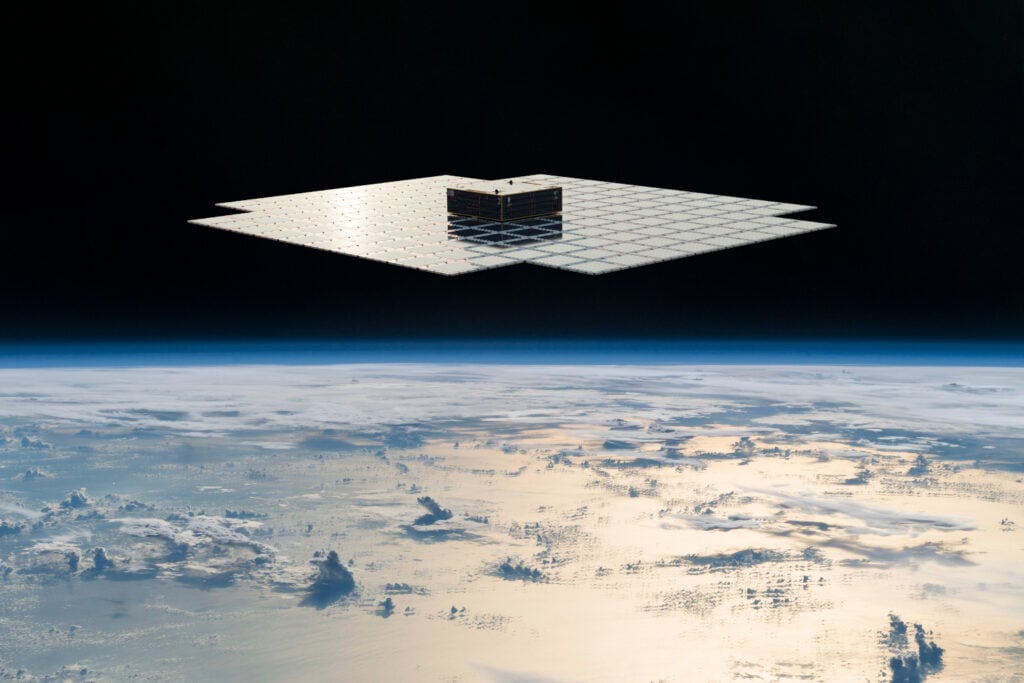
Texas-based startup AST SpaceMobile has successfully launched BlueBird 6, its largest satellite to date, aimed at creating a space-based cellular broadband network. The satellite lifted off on December 23, 2023, at 22:25 ET from the Satish Dhawan Space Center in India aboard the LVM3 rocket. This groundbreaking launch marks a significant milestone in the company’s efforts to provide direct cellular connectivity through its next-generation satellite constellation.
BlueBird 6: A New Era in Satellite Technology
BlueBird 6 is approximately three times larger than its predecessors, making it the largest commercial satellite currently in Earth orbit. This satellite is part of AST SpaceMobile’s ambitious plan to deploy a total of 243 satellites. By offering a direct-to-cell service that requires no additional hardware, AST aims to compete directly with SpaceX and its popular Starlink network.
The previous satellite, BlueWalker 3, launched in September 2022, served as a testbed for establishing cellular towers in space. In a notable achievement, BlueWalker 3 facilitated the first 5G phone call from space to a standard Samsung Galaxy S22 in 2023. Following this success, AST SpaceMobile has launched five additional satellites, each contributing to the company’s goal of providing reliable cellular service globally.
Competing in a Crowded Orbit
The BlueBird satellites are distinguished by their size and capabilities. Once fully deployed, BlueBird 6 will unfurl an array measuring 2,400 square feet (approximately 223 square meters), outshining most objects in the night sky. Each satellite is designed to handle 10 gigahertz of bandwidth, offering speeds of up to 120 megabytes per second per cellphone, which could redefine mobile connectivity.
Despite the advantages of size and technology, SpaceX currently operates over 9,000 satellites, accounting for around 60% of all satellites in low Earth orbit. This extensive network gives SpaceX a distinct edge in terms of coverage. However, AST SpaceMobile’s larger antennas could provide a competitive advantage in the race to deliver high-quality service.
The competitive landscape has intensified, with SpaceX expressing concerns about AST SpaceMobile’s impact on the sustainability of low Earth orbit. Earlier in July 2023, SpaceX filed a letter with the Federal Communications Commission (FCC) raising alarms over potential debris and congestion caused by the increasing number of satellites. In response, AST SpaceMobile has accused SpaceX of employing intimidation tactics to hinder the startup’s efforts.
As both companies continue to expand their satellite networks, the implications for global connectivity are profound. With AST SpaceMobile’s ambitious plans for additional launches, the coming years could see significant advancements in mobile communication, particularly in underserved regions.
The launch of BlueBird 6 not only underscores the technological advancements being made in satellite communications but also highlights the ongoing competition between two major players in the industry. As they fill low Earth orbit with their satellites, the future of connectivity remains dynamic and evolving.