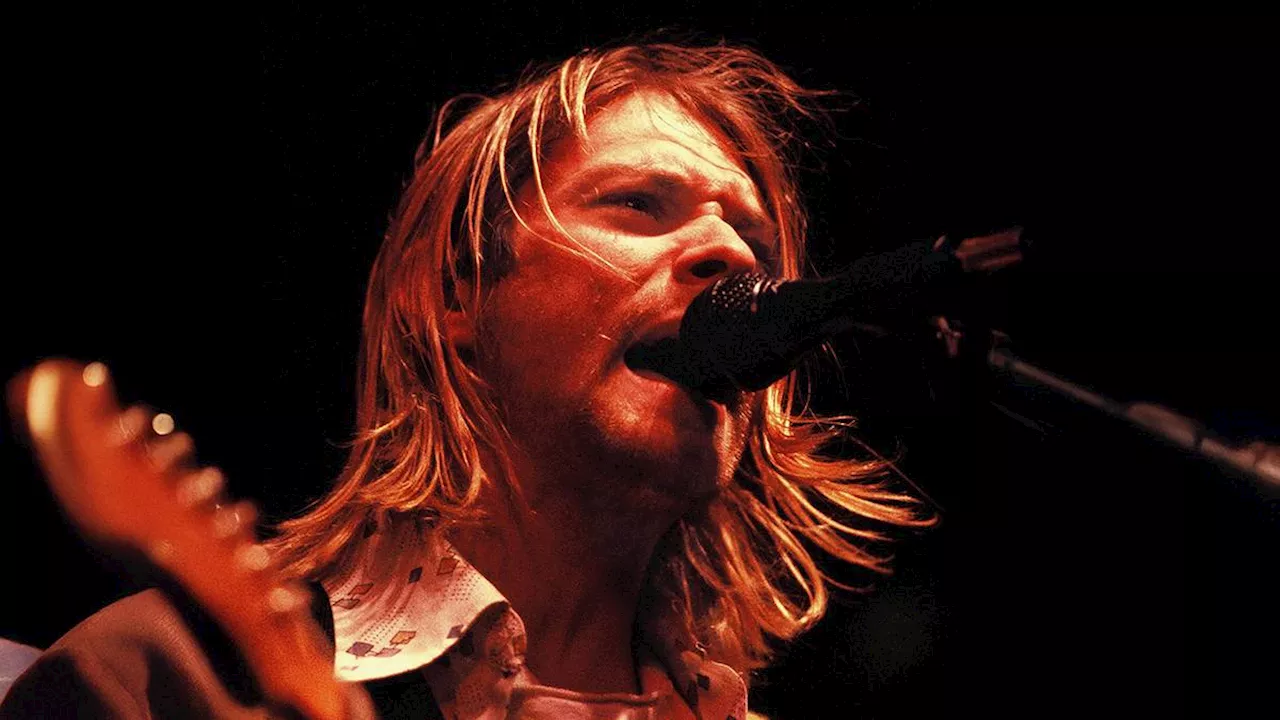
Kurt Cobain, the enigmatic frontman of Nirvana, left an indelible mark on music history with his band’s iconic album, Nevermind, released in 1991. This album played a pivotal role in catapulting the grunge scene from Seattle into the global spotlight. Its famous cover and powerful lyrics, which address themes of societal hypocrisy, love, and the struggles of youth, continue to resonate with listeners today. Notably, the album is also steeped in feminist rock history and closely tied to the Riot Grrrl movement, particularly through its connections with the band Bikini Kill.
The Connection Between Nirvana and Bikini Kill
Bikini Kill, a seminal band in the feminist punk movement, emerged from the same Pacific Northwest scene that nurtured Nirvana. The relationship between Cobain and Bikini Kill’s drummer, Tobi Vail, sparked a creative synergy that influenced many of Nirvana’s songs. Cobain and Vail began dating in 1989, and their connection inspired tracks on Nevermind, such as “Aneurysm,” “Drain You,” and “Lounge Act.”
Perhaps the most notable intersection of their legacies is the creation of the song “Smells Like Teen Spirit.” This title, which became synonymous with the grunge movement, originated from a light-hearted moment between Kathleen Hanna, the lead singer of Bikini Kill, and Vail. In a recollection shared in her memoir, “Rebel Girl,” Hanna described how she and Vail joked about a brand of deodorant while shopping. The phrase “Smells Like Teen Spirit” stuck with Hanna, who later scrawled it on Cobain’s wall during a night of drinking.
When Cobain approached Hanna about using the phrase for a song, she agreed, unaware of the massive impact this title would have on music history. “I wrote a lot of things on Kurt’s wall that night,” Hanna recalled, reflecting on the serendipitous creation of one of Nirvana’s most enduring anthems.
Legacies Intertwined
The success of “Smells Like Teen Spirit” not only defined Nirvana’s career but also shaped Hanna’s own journey in the music industry. As a pioneer of the feminist rock movement, Hanna, along with her bandmates in Bikini Kill, paved the way for future female artists, including Sleater-Kinney, Pussy Riot, and The Linda Lindas. Today, Hanna engages with contemporary artists on her podcast, “Music Makes Us,” connecting with influential figures such as Olivia Rodrigo and Hayley Williams of Paramore.
Despite her substantial contributions to rock history, Hanna has expressed frustration over being perceived as merely a footnote in the narrative of Nirvana. In a candid interview, she stated, “I don’t want to be the footnote in King Ad-Rock’s story or Kurt Cobain’s story. I’m a feminist artist with my own trajectory and my own musical legacy.” This sentiment highlights her desire for recognition beyond her connections to Cobain.
Meanwhile, Cobain’s relationship with the song “Smells Like Teen Spirit” became increasingly complex. In a 1994 interview with Rolling Stone, he voiced his discomfort with the song’s overwhelming mainstream success, stating, “Once it got into the mainstream, it was over. I’m just tired of being embarrassed by it.” He lamented that other tracks on the album, such as “Drain You,” deserved equal recognition.
As Cobain’s relationship with Courtney Love developed, he drifted from Hanna and the vibrant community surrounding Bikini Kill. Despite this, the legacies of these artists remain forever intertwined, each contributing to the rich tapestry of late twentieth-century music. Their stories continue to inspire discussions about the cultural impact of grunge, feminism, and the complexities of artistic collaboration.
The connections between Nirvana and Bikini Kill illustrate not only the power of music but also the friendships and relationships that fueled some of the most iconic songs in rock history. As the music world reflects on this era, the stories of Cobain, Hanna, and Vail serve as a testament to the profound influence of their artistry.