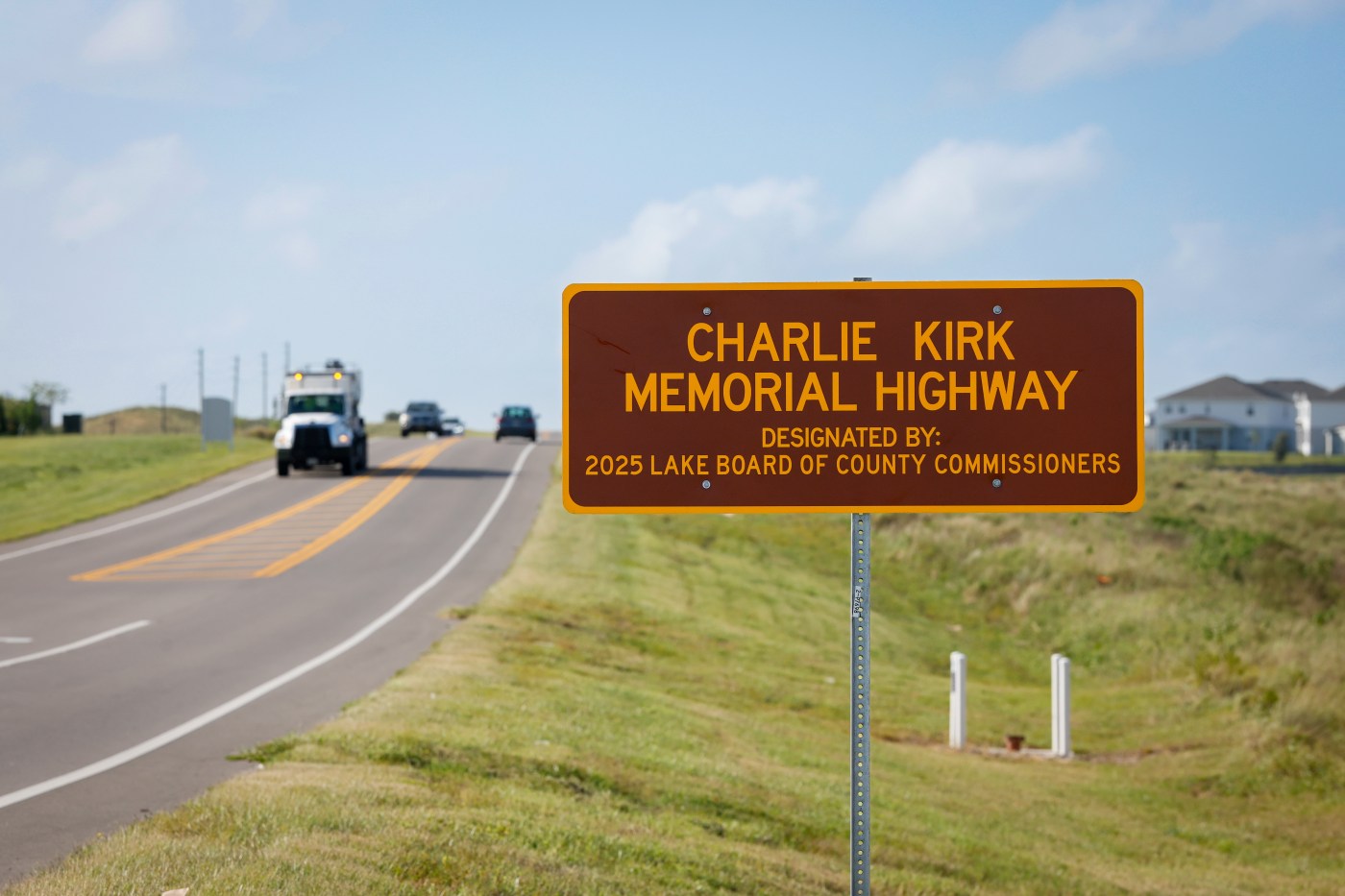
A proposed bill in Florida seeks to establish a statewide “Day of Remembrance” on October 14, marking the birthday of Charlie Kirk, a prominent conservative activist. The bill, which has already passed a Senate committee with a party-line vote of 5 to 2, has sparked significant debate regarding the appropriateness of commemorating Kirk alongside historical figures who have made substantial contributions to civil rights.
Kirk, the founder of Turning Point USA, has been a polarizing figure in American politics. His views, which include controversial remarks about the late Rev. Dr. Martin Luther King Jr. and the Civil Rights Act of 1964, have drawn both admiration and criticism. While his recent shooting during a speech at a university in Utah is a tragedy that resonates with many, the decision to honor him with an official observance raises questions about whose contributions to society are being recognized.
Critics of the bill argue that while Kirk has the right to express his opinions, elevating him to a position of honor overlooks the legacy of numerous civil rights activists who fought against oppression and often paid the ultimate price for their beliefs. One notable figure often overshadowed is Harry T. Moore, a civil rights pioneer in Florida. Moore was assassinated in 1951 when a bomb planted by the Ku Klux Klan destroyed his home on Christmas night. His advocacy for equal pay for Black teachers and voter registration efforts exemplified courage and dedication to civil rights.
While the Moores are included in Florida’s social studies curriculum, their contributions are frequently overlooked in discussions of civil rights martyrs. They were notably absent from memorials recognizing figures from the civil rights era, such as those honored in Montgomery, Alabama. The distinction made by some that the Civil Rights Era began with the Brown v. Board of Education decision in 1954 disregards the sacrifices made by activists like Moore.
Florida’s legislative move to honor Kirk has prompted comparisons to other historical figures who fought for justice and equality. Activists such as Andrew Goodman, James Earl Chaney, and Michael Schwerner were kidnapped and murdered in Mississippi in 1964 while working to register Black voters. Their tragic deaths highlight the risks taken by those advocating for civil rights.
Additionally, Medgar Evers, who was assassinated outside his home in 1963, and Harvey Milk, a champion for LGBTQ+ rights who was killed in 1978, serve as reminders of the many individuals who sacrificed their lives for their beliefs. These figures are emblematic of a broader struggle for equality that deserves recognition.
By focusing on Kirk, the Florida Legislature risks narrowing the narrative of remembrance to a single individual rather than honoring the collective efforts of many who fought for freedom and justice. A Day of Remembrance should celebrate a diverse array of heroes whose contributions shaped the nation’s civil rights landscape.
As discussions continue around the proposed legislation, the importance of a comprehensive approach to honoring the legacy of civil rights activists remains clear. Recognizing a range of figures, rather than elevating one controversial individual, would reflect a more inclusive understanding of the history and ongoing struggle for equality in America.