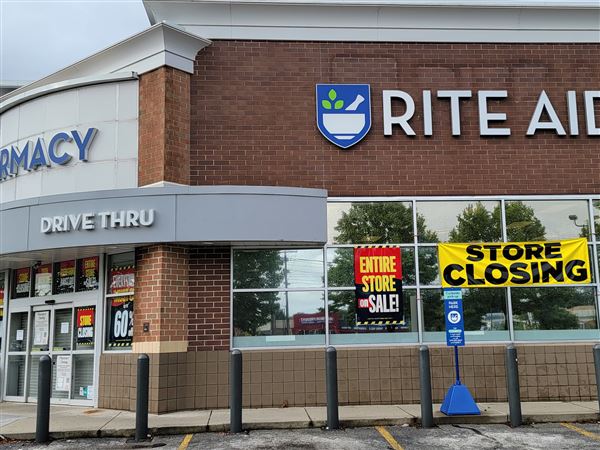
BREAKING NEWS: In a shocking turn of events, shoppers are mourning the closure of several iconic retailers in 2025, marking a significant shift in the retail landscape. As of April 15, 2025, numerous well-known brands have announced their shutdowns, creating ripples across the consumer market.
The closures have left millions of customers without their favorite shopping destinations, raising urgent concerns about the future of retail. Industry insiders report that 30 major retailers have either filed for bankruptcy or ceased operations entirely this year, affecting thousands of employees and altering shopping habits nationwide.
IMPACT: This wave of retail losses highlights a troubling trend as consumers increasingly turn to online shopping, leaving traditional brick-and-mortar stores struggling to survive. Analysts are calling it a pivotal moment in retail history, with significant implications for local economies and employment rates.
Key brands impacted include household names that have long been staples in shopping malls and city centers. The closures are not limited to large chains; smaller, beloved local shops are also disappearing from the retail scene, prompting a collective sense of loss among communities.
DETAILS: The affected retailers span a wide range of sectors, from clothing and electronics to home goods, with closures reported in major metropolitan areas including New York City and Los Angeles. Many of these brands have struggled to adapt to changing consumer preferences, exacerbated by ongoing economic challenges and the rise of e-commerce giants.
OFFICIAL SOURCES: According to data released by the National Retail Federation, these closures represent a staggering 25% increase in retail bankruptcies compared to previous years. The federation emphasizes the need for brands to innovate and embrace digital transformation to stay relevant in today’s market.
WHAT’S NEXT: As the retail landscape continues to evolve, experts urge consumers to support local businesses and adapt their shopping habits. The impact of these closures will likely be felt for years to come, with potential changes in shopping behaviors leading to a further decline in physical stores.
The urgency of this situation cannot be overstated. Local economies are at risk, and the emotional toll on communities losing cherished retailers is palpable. As consumers process this significant change, the retail sector must respond swiftly to meet the demands of a new era.
Stay tuned for updates as this story develops. The future of retail is unfolding right before our eyes, and the implications are far-reaching.