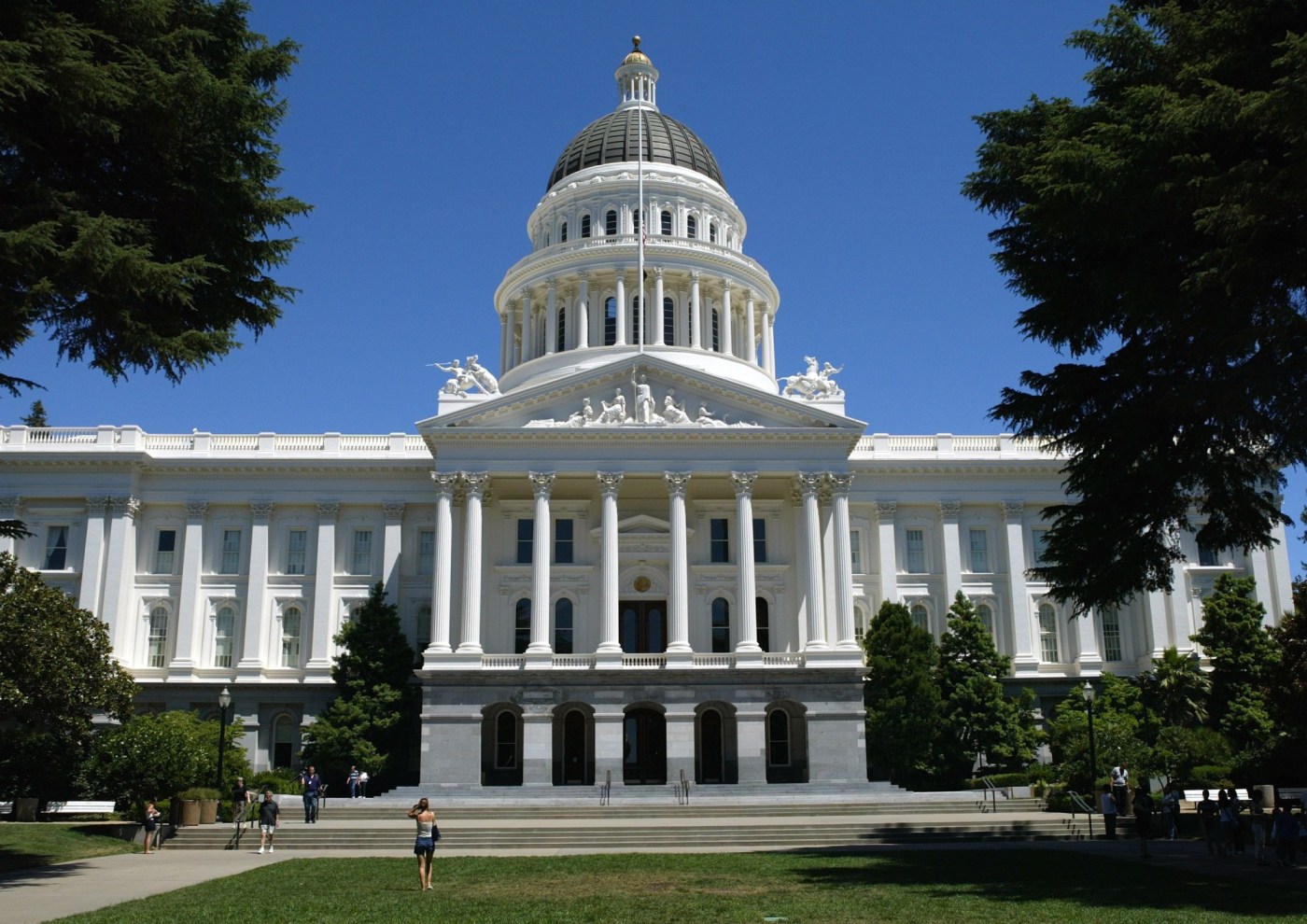
URGENT UPDATE: California is gearing up for a significant transformation as several new laws will take effect in 2026, tackling critical issues such as antisemitism in schools, artificial intelligence regulations, and enhanced protections for crime victims. These measures are set to redefine educational standards, workplace rights, and cultural recognition in the state.
Among the most impactful changes, California will launch a new Office of Civil Rights dedicated to combating antisemitism in educational settings. This office will appoint a prevention coordinator responsible for providing antisemitism education to teachers and staff, starting in September 2027. The law, authored by Assemblymembers Rick Chavez Zbur and Dawn Addis, mandates that school districts investigate incidents of antisemitism and take corrective action against discriminatory materials used in classrooms. This initiative has sparked debate over free speech and academic freedom, highlighting the urgent need for balanced dialogue in educational environments.
In a groundbreaking move for technology, California will become the first state to enforce transparency in artificial intelligence. The Transparency in Frontier Artificial Intelligence Act, known as SB 53, requires major AI firms to disclose safety protocols and report critical incidents like cyberattacks. Authored by Sen. Scott Wiener, this law aims to ensure accountability while fostering a safer environment for AI development, particularly for startups and researchers.
Survivors of domestic and sexual violence will see vital support as the Strengthening Safe Leave Act (AB 406) allows them to take time off work to attend court proceedings without fear of retaliation. This law, championed by Assemblymember Pilar Schiavo, empowers victims to access justice while safeguarding their employment.
In a historic cultural acknowledgment, California will officially recognize Diwali as a state holiday. This designation, driven by Assemblymember Ash Kalra, is set to enrich the cultural fabric of the state and allow state employees to take paid time off to celebrate this significant festival. Schools will also have the option to close in recognition of Diwali, promoting cultural awareness and inclusion.
Additionally, new regulations will protect workers from exploitative Training Repayment Agreements (TRAP) that currently force them to repay training costs if they leave before a specified period. The law, authored by Assemblymember Ash Kalra, mandates employers to pay damages or a minimum of $5,000 per worker for violations, reinforcing workers’ rights.
The Name Accuracy Act, spearheaded by Assemblymember Blanca Pacheco, will ensure that Californians with diacritical marks in their names can have their identities accurately represented in vital records. This change, reflecting cultural and personal identity, seeks to amend records at a nominal fee starting July 1, 2026.
Lastly, tenants in California can expect improved housing conditions as new rental requirements mandate landlords to provide essential appliances like stoves and refrigerators. This change, driven by Assemblymember Tina McKinnor, aims to alleviate the financial burden on renters struggling to afford these basic necessities.
These laws, collectively representing a significant shift in California’s legislative landscape, highlight the state’s commitment to addressing social injustices, fostering innovation, and supporting cultural diversity. As these changes unfold, Californians are encouraged to prepare for a new era of rights and protections beginning in 2026.
Stay tuned for further updates as the implementation of these transformative laws approaches!