Protests have erupted across Iran, driven by deep-seated frustrations with a regime perceived as morally bankrupt. Citizens are taking to the streets, not only in the capital city of Tehran but also in major cities like Mashhad, Isfahan, Shiraz, and Hamadan. While many reports frame the unrest as a response to the declining value of the rial, which has hit record lows, this perspective oversimplifies the complex motivations behind the demonstrations.
The current unrest is rooted in a long-standing struggle for dignity, freedom, and justice that spans over four decades. Economic crises, including an inflation rate exceeding 42 percent, have undoubtedly fueled public discontent. Yet, these protests represent more than just economic grievances. They reflect widespread dissatisfaction with a government that has consistently failed its citizens on multiple fronts, from human rights violations to systemic corruption.
In a powerful act of defiance, individuals have taken radical steps, such as shopkeepers in Tehran’s Grand Bazaar closing their stores to signify their desperation and desire for change. This response illustrates not only economic hardship but also a refusal to accept a regime that prioritizes military investments over basic human needs. For instance, this year alone, approximately $1 billion was allocated to Hezbollah, while basic necessities like bread and medicine become increasingly unaffordable for ordinary Iranians.
The protests have revealed a collective frustration with various forms of discrimination and oppression. Minority groups, including Kurds, Baluchis, and Baha’is, have faced systemic marginalization. Women, in particular, have harnessed the recent momentum following the tragic death of Mahsa Jina Amini, which sparked a nationwide women-led uprising against enforced hijab laws. The chants of “azadi” (freedom) echo through the streets, signaling a united demand for fundamental rights.
Historical Context and Current Dynamics
Iran has a history of significant protests, including student movements in 1999, the Green Revolution in 2009, and widespread unrest in 2017 and 2019. Each wave of protests has been met with violent crackdowns, with reports indicating that hundreds lost their lives during previous uprisings. The recent conflict with Israel has exacerbated public anger, further illuminating the regime’s failures and its prioritization of military spending over domestic welfare.
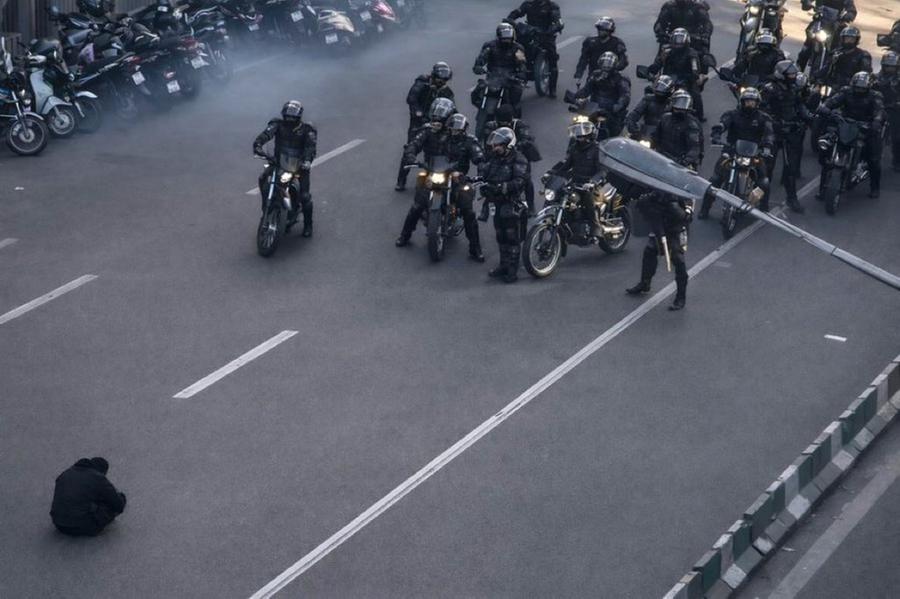
The regime’s attempts to suppress dissent through fear and violence are increasingly ineffective. With a population of around 92 million, the government faces the challenge of controlling a populace that is becoming unyielding in its demands. The collective roar for change is growing louder, with public demonstrations becoming more frequent and persistent.
While international media often focus on economic indicators, such as currency fluctuations and inflation rates, this portrayal risks diminishing the profound moral implications of the protests. The imagery of citizens courageously standing against oppressive forces tells a more urgent narrative than mere economic statistics.
The Path Forward
The Iranian people’s insistence on being heard underscores their desire for recognition and respect from the international community. They are not merely looking for external intervention; they seek acknowledgment of their struggles and aspirations. As protests continue, the question remains whether global leaders will choose to engage with the deeper issues at play or dismiss them as economic disturbances.
The ongoing protests in Iran are a clarion call for dignity, freedom, and justice. They remind us that behind every statistic is a human story, a yearning for a better life, and a demand for accountability from a government that has failed its people. The world must pay attention, for the future of Iran hangs in the balance.