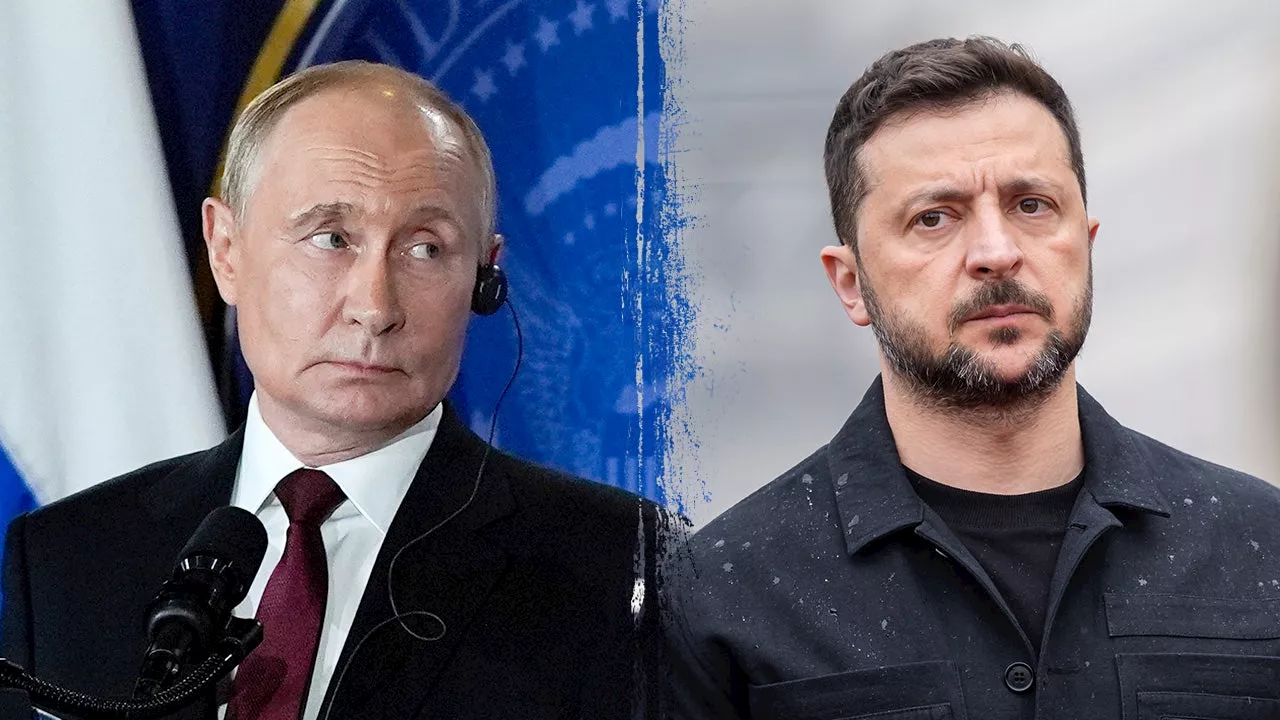
A prominent drone expert has raised serious doubts regarding Russia’s claims that Ukraine launched a drone attack on President Vladimir Putin’s residence. Cameron Chell, the CEO and co-founder of Draganfly, a drone manufacturer supplying various military forces, including those of Ukraine, described the alleged attack as “tactically implausible.” His comments come as tensions escalate between Moscow and Kyiv, with Russia accusing Ukraine of attempting to disrupt ongoing peace talks.
According to Russian Foreign Minister Sergey Lavrov, 91 drones were intercepted en route to Putin’s residence located near Lake Valdai. However, Chell argued that this claim lacks credibility, emphasizing that Ukraine’s tactical approach to drone use is typically more sophisticated and strategic. “What really makes things usually very signature about Ukraine is that they’re always incredibly clever about how they use drones,” Chell stated in an interview with Fox News Digital.
Chell highlighted that the logistics of launching a drone strike on such a secure location would require drones to be launched from a proximity of approximately 10 to 30 kilometers. He noted that for the drones to reach Putin’s residence, they would need to originate much closer than claimed by Russian authorities. Chell described the situation as “hard to fathom,” suggesting that the alleged attack is inconsistent with Ukraine’s operational tactics.
As the situation unfolded, Kyiv categorically denied the accusations, with official sources labeling them as fabrications intended to justify further military actions. The timing of Russia’s claims coincided with positive discussions between former President Donald Trump and Ukrainian President Volodymyr Zelenskyy, raising questions about Moscow’s intentions.
Chell elaborated on the technical challenges of executing such an operation at night, pointing out that GPS and AI-based navigation systems would likely be ineffective due to potential jamming. “Apparently, the thing was at night, so that’s very difficult for machine vision or AI mapping software,” he said, emphasizing that the logistics involved make the claims even less plausible.
In light of these developments, Chell posited that Ukraine would have no strategic benefit from such an attack, particularly during a critical moment in peace negotiations. “They’re bold, but right in the middle of peace talks — when they need Trump on side — it makes no sense,” he remarked.
In response to the allegations, Zelenskyy has called the claims a “complete fabrication,” asserting that they serve to distract from Russia’s own military actions. Meanwhile, Lavrov has threatened retaliation while also indicating that Russia would continue diplomatic discussions with Washington.
As the situation evolves, both sides remain entrenched in their positions, with the potential for further escalation looming. The international community watches closely as the conflict continues to unfold, highlighting the complex dynamics of military strategy and political maneuvering in the ongoing Russia-Ukraine war.