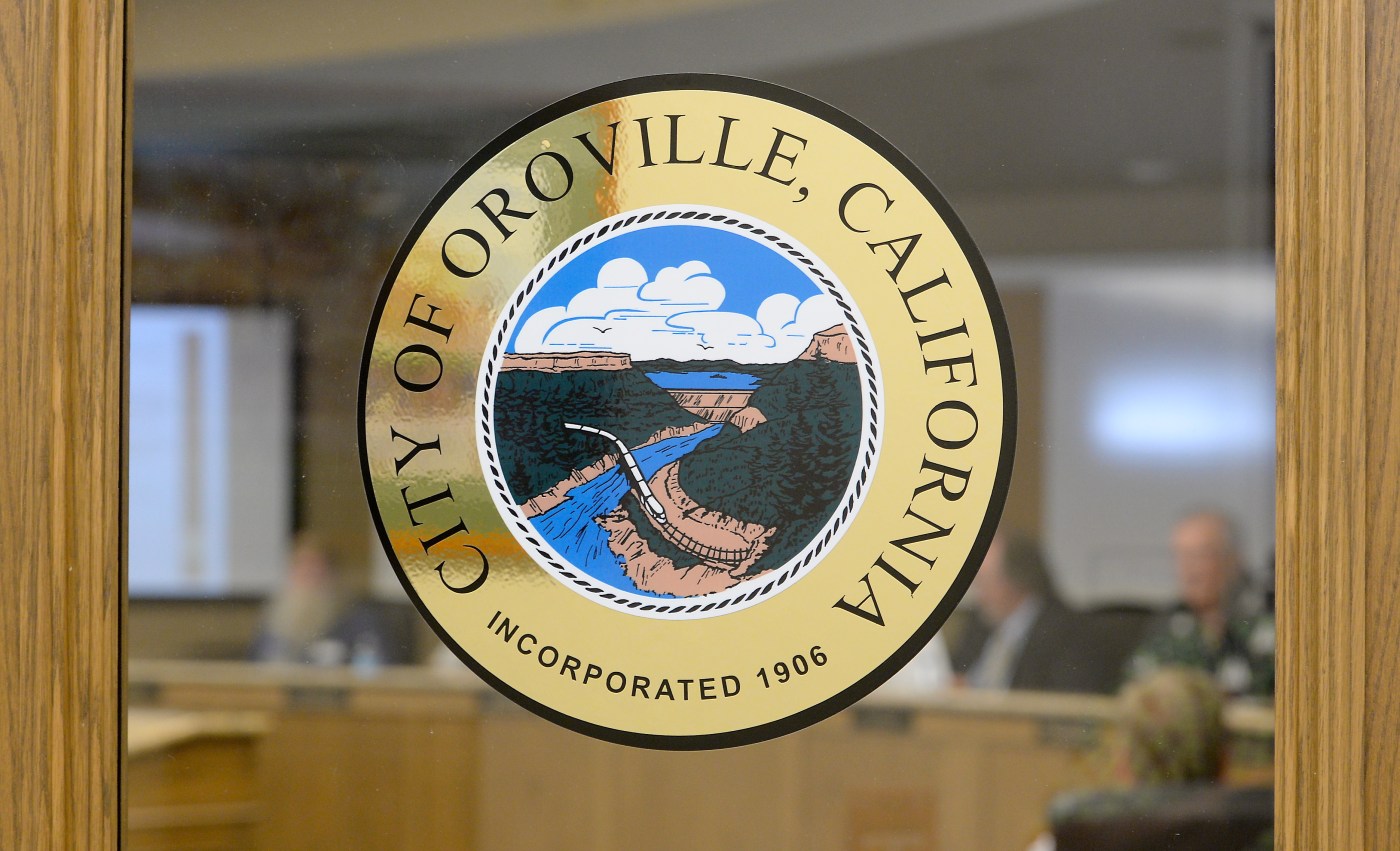
UPDATE: Elected officials in Oroville are predicting a promising year ahead as they look towards 2026, highlighting significant developments in infrastructure, housing, and local business growth. However, they acknowledge challenges stemming from economic uncertainties.
During a city council meeting, Councilor Tracy Johnstone expressed optimism, stating, “Oroville’s best days are in front of us.” She envisions a year filled with community events, new local businesses, and a reduction in pothole complaints, emphasizing the need for continued citizen engagement.
Councilor Shawn Webber echoed this optimism, focusing on the anticipated development of market-rate housing and a surge in industry. “It’s going to be a year of activity that will really benefit the citizens of Oroville,” he said, promising greater transparency from the City Council.
Mayor Dave Pittman outlined several key projects set for 2026 that he believes will enhance the quality of life for residents. Among them is the eagerly awaited opening of a new Chick-fil-A franchise on Oro Damn Boulevard, projected to start construction in spring with an opening in the fall. Pittman noted the franchise could significantly boost local sales tax revenue.
Additionally, a new 48 megawatt solar farm by Butte Renewable Energy Inc. is slated for construction, alongside a $36 million asphalt replacement project on Highway 162 by Caltrans, set to begin in summer.
However, challenges loom as Councilor Eric Smith warned about economic pressures. He noted that while recent reductions in gas prices indicate potential improvements, inflation remains a significant concern for residents. “The cost of fuel impacts everything. I’m hoping that gas prices will stay down, boosting optimism about the economy,” he said.
Johnstone also addressed fiscal responsibility, stating, “We’ll face real challenges but those challenges will bring opportunities for smarter growth and stronger trust between the City and our residents.”
On a contentious note, Councilor Janet Goodson predicted significant public debate over biomass gasification projects. “I expect significant public pushback and community debate as more information comes forward,” she stated, emphasizing the environmental and health concerns involved.
Councilor Scott Thomson hinted at an intriguing local and statewide election cycle, leaving his prediction somewhat ambiguous. In a surprising twist, Smith speculated on the possibility of the Oroville Dam being relicensed by the Federal Energy Regulatory Commission, a development that could unlock approximately $1 billion in funding.
As the city gears up for 2026, residents and officials alike are bracing for a year filled with both potential and challenges. The focus remains on leveraging new developments while addressing economic concerns that could impact the community’s growth.
Stay tuned for further updates as Oroville prepares for a transformative year ahead.