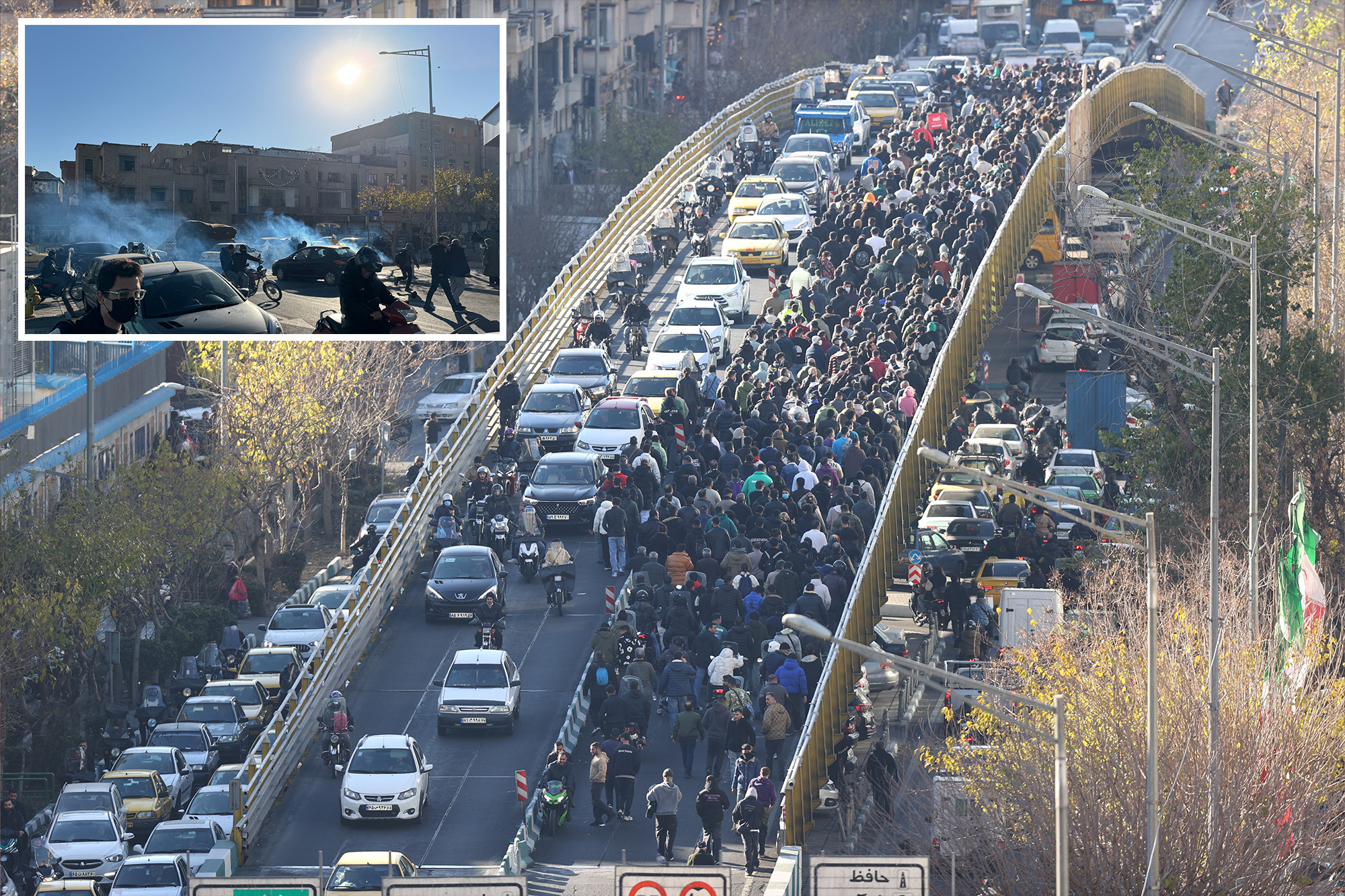
Protests in Iran have intensified as citizens express their outrage over a severe cost of living crisis, exacerbated by the staggering devaluation of the national currency. As of now, the exchange rate stands at approximately 1.4 million Iranian rials for $1, placing enormous pressure on everyday consumers and leading to widespread demonstrations across the country.
The unrest, which began earlier this week, has rapidly spread from urban centers to rural areas, where the economic impact has been particularly harsh. Many residents are struggling to afford basic necessities, prompting them to voice their grievances against the government. President Masoud Pezeshkian has acknowledged the protests, expressing a willingness to engage in dialogue. Yet, he noted that the Iranian government has limited options to address the currency crisis.
Demonstrations have gained momentum, particularly in Tehran, where shopkeepers and consumers are protesting against what they perceive as mismanagement by lawmakers. On November 2023, reports indicated that the price for a kilogram of local staple rice, Tarom Hashemi, surged to 4 million rials, equivalent to $3.56 per pound, marking a staggering 230% increase from the previous year. This spike in consumer prices has contributed to an inflation rate that now stands at 48.6%.
One shopper in Karaj articulated the frustrations of many, stating, “[Ayatollah] Ali Khamenei has spent over four decades chasing war, missiles and chanting, ‘Death to this or that.’ Now we can’t even afford rice.” The situation has been further complicated by a recent spike in gasoline prices, which historically have been considered a birthright for many Iranians. This increase triggered public outrage, leading the government to implement new subsidies in an attempt to mitigate discontent.
As protests have evolved, they have begun to disrupt daily life significantly. Major bazaars, which are crucial for the local economy, have seen businesses shut down, along with universities and government offices. Protesters have turned chants traditionally directed at foreign adversaries into slogans against the Iranian leadership, with shouts of, “Death to the dictator,” resonating across the nation.
While protests in Tehran have shown signs of slowing down, other regions continue to witness escalating incidents of violence. Reports indicate that at least three individuals have died in clashes between demonstrators and security forces. Among the deceased is a 21-year-old volunteer officer with the Revolutionary Guard’s Basij force, who was killed during a protest on Wednesday night. The state-run IRNA news agency attributed his death to demonstrators, describing the officer as “martyred … at the hands of rioters during protests in this city in defense of public order.”
In response to the ongoing unrest, Saeed Pourali, a deputy governor in Lorestan province, acknowledged that the protests stem from economic pressures and currency fluctuations, emphasizing the need for the government to listen to citizens’ concerns. “The voices of citizens must be heard carefully and tactfully, but people must not allow their demands to be strained by profit-seeking individuals,” Pourali stated.
Rather than addressing the economic challenges directly, Pezeshkian has attributed the unrest to foreign interference. “Right now, the enemy has placed most of its hopes on knocking us down through economic pressure. You cannot conquer a nation with bombs, fighter jets, or missiles,” he remarked during a business forum in Tehran. He expressed confidence that if the Iranian people remain united and committed, they could resist external pressures.
The ongoing situation highlights a critical moment for Iran, as citizens confront not only the immediate challenges of inflation and currency devaluation but also the broader implications of their demands for accountability and change.