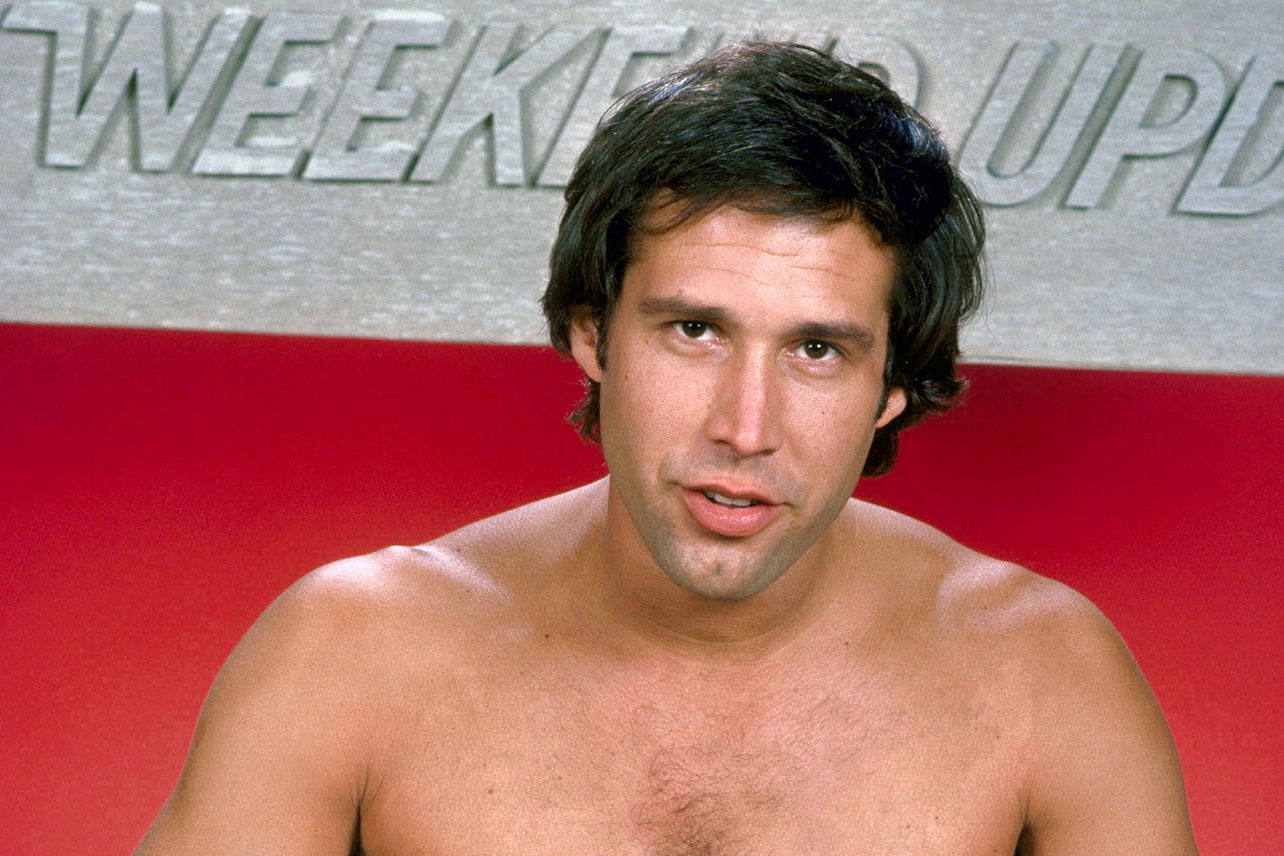
The new documentary, I’m Chevy Chase and You’re Not, now available on CNN, delves into the enigmatic life of the acclaimed comedian and actor, Chevy Chase. Directed by Marina Zenovich, this film stands out amid the recent trend of celebrity profiles by offering a raw and candid exploration of Chase’s persona, which oscillates between charming and abrasive.
The documentary opens with a montage that sets the tone, featuring various commentators discussing Chase’s reputation as “the asshole you love.” This provocative introduction invites viewers to question whether this persona is a mere act or a reflection of his true self. Zenovich’s approach moves beyond mere glorification, aiming to unravel the complexities of Chase’s character rather than simply celebrate his achievements.
Chase’s journey begins in New York City, where he was described by peers as a “buffoon” with a talent for physical comedy. After playing drums in a band that would later become Steely Dan, he ventured into the world of comedy writing. By 1975, he was a key writer for the groundbreaking television show Saturday Night Live, where his distinctive style and over-the-top delivery helped shape the platform for modern comedy.
As the documentary progresses, it juxtaposes Chase’s past with his present. Though he achieved immense fame through films like Caddyshack, National Lampoon’s Vacation, and Christmas Vacation, it also examines his struggles, particularly with addiction in the 1980s. Family and colleagues recount the toll of his cocaine use, a topic Chase himself tends to sidestep.
The film does not shy away from controversy. A notable segment focuses on an incident involving Terry Sweeney, an openly gay cast member of SNL. During his guest-hosting stint in 1985, Chase’s suggestion for a sketch about weighing an AIDS patient drew Sweeney’s ire. Chase today disputes Sweeney’s account, calling him a liar over the fallout of the incident.
Another significant moment discussed is Chase’s time on the sitcom Community, where allegations arose regarding his use of racially insensitive language. These controversies cast a shadow over his legacy, leaving viewers to ponder the complexities of his character and the evolving standards of comedy.
Zenovich captures Chase in various settings, from public appearances to interactions with fans, showcasing his enduring charm. Despite his self-proclaimed depth and complexity, he often deflects serious inquiries about his past, using humor to evade uncomfortable topics. When asked about his childhood trauma, his response is a comedic pantomime rather than a sincere reflection, underscoring the challenge Zenovich faces in extracting genuine insights.
Throughout the documentary, viewers are left to grapple with the duality of Chase’s character. He embodies the idea that the best artists often draw from their own flaws and experiences. As Zenovich navigates the tension between Chase’s desire for mystique and the audience’s yearning for authenticity, the film presents a nuanced view of a man who has brought joy to many while also causing controversy.
The documentary concludes with a poignant moment when Chase apologizes to Zenovich, stating, “Just for being who I am.” This admission encapsulates the essence of the film—Chase remains an enigma, simultaneously beloved and controversial.