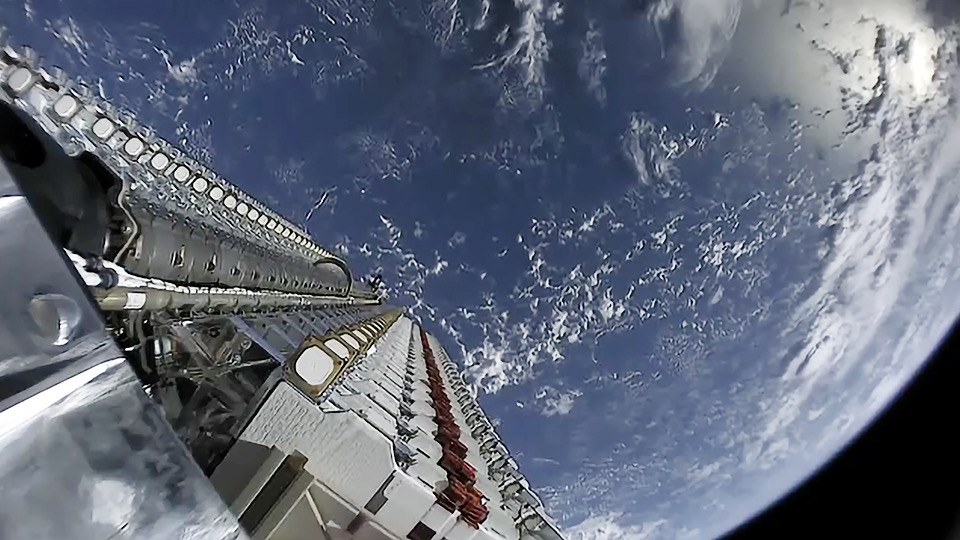
SpaceX announced plans to relocate approximately 4,400 Starlink satellites to a lower orbit this year. This move aims to enhance safety and better manage risks associated with the increasing congestion in Earth’s orbit. The announcement was made by Michael Nicholls, Vice President of Starlink Engineering, through a post on X.
According to Nicholls, the adjustment will contribute to improved space safety in multiple ways. The Starlink system, spearheaded by Elon Musk, currently operates over 9,000 satellites in a progressively crowded orbital environment. Remarkably, only two satellites within this network are reported to be non-functional, underscoring the system’s operational efficiency.
Addressing Orbital Congestion
The decision to move a significant number of satellites is part of a broader effort to address the challenges posed by orbital congestion. As more satellites are launched for various purposes, the risk of collisions and other safety concerns increases. By lowering the orbit of the Starlink satellites, SpaceX aims to mitigate these risks and set a precedent for responsible satellite operation.
Nicholls emphasized that this proactive approach is essential for maintaining safety in space. With the growing number of satellites, both from SpaceX and other entities, the need for effective management strategies becomes increasingly critical.
Future Developments
The relocation of these satellites marks an important step in SpaceX’s ongoing commitment to space safety and sustainability. The company will continue to monitor the situation and make adjustments as necessary. As this story develops, further updates will be provided regarding the timeline and specific details of the satellite movements.
In conclusion, SpaceX’s initiative to lower the orbit of its Starlink satellites reflects a significant commitment to enhancing safety in an ever-crowded space environment. This effort not only showcases the company’s innovative approach but also highlights the importance of responsible satellite management in the future of space exploration.