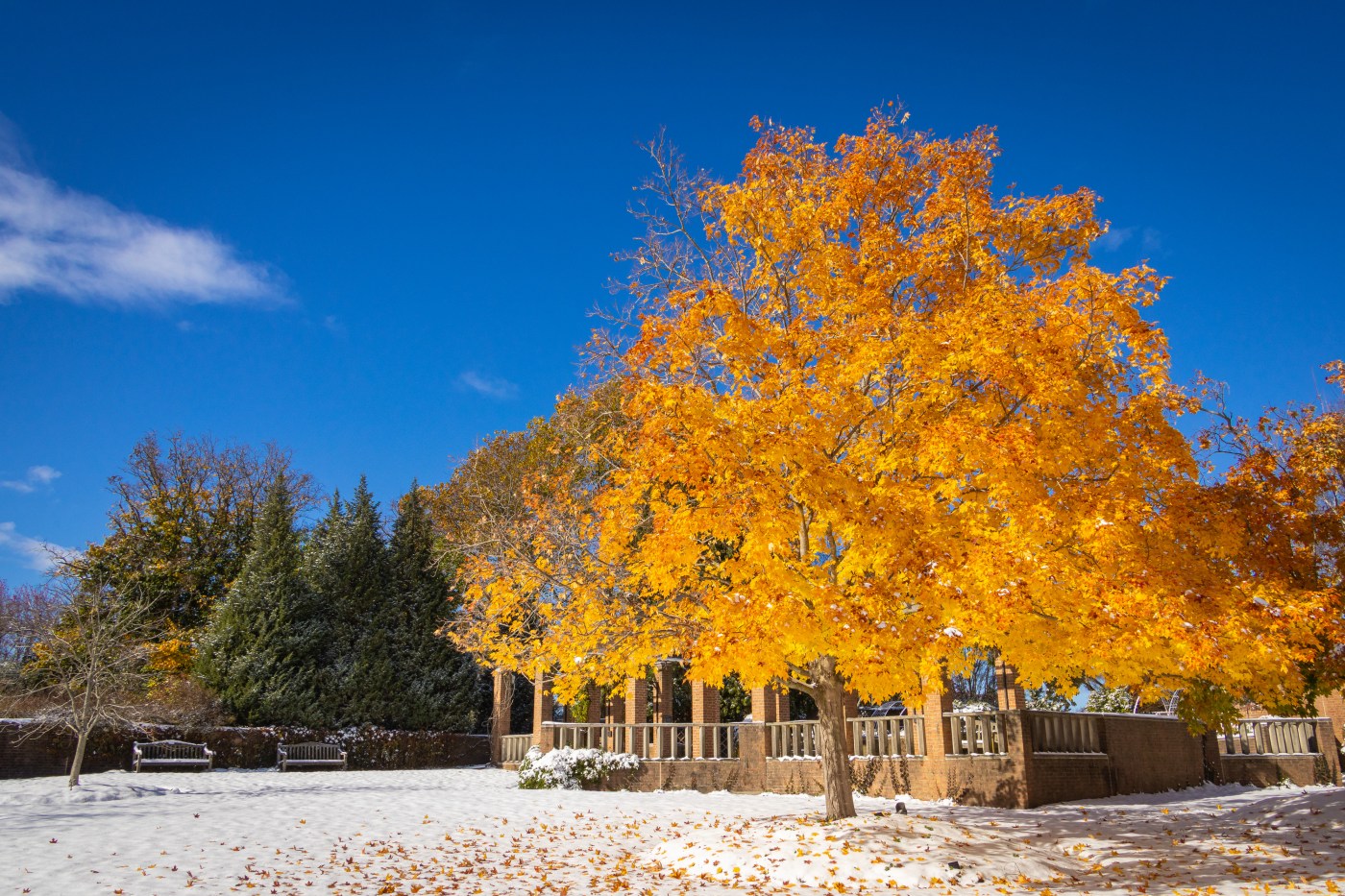
As homeowners approach the new year, many consider renovations, including outdoor spaces. In early January, new homeowner Grace Williams from Morton Grove is contemplating how to revamp her garden, which features numerous plants that are either overgrown or no longer appealing. She seeks to balance her aesthetic goals with the challenge of removing healthy plants that have outlived their purpose.
Removing plants from one’s garden can be a daunting task, especially when those plants are robust and flourishing. However, according to Tim Johnson, senior director of horticulture at the Chicago Botanic Garden, this can impede the long-term success of a garden. He advocates for a more aggressive approach: homeowners should be willing to remove healthy plants that no longer fit their vision for the space.
A common practice in gardening is to routinely edit plants as personal tastes evolve or as plant performance declines. Just as one might redesign interior spaces, the same philosophy applies to garden design. Johnson recalls his own experience of removing all the plants from his front yard, despite disapproval from a neighbor who questioned why perfectly good plants were discarded. For him, the existing plants were underwhelming and overgrown, and their removal was liberating.
Johnson emphasizes that, while he generally tries to preserve dramatic specimen plants, he has no qualms about removing invasive species. Over three years, he removed eight large Norway maples, known for their deep shade, replacing them with more suitable shade trees like sugar maple and ginkgo. Today, approximately 15 years later, the area not only enhances the beauty of the garden but also provides a habitat for local birds.
Engaging in the process of editing a garden can pave the way for its future success. Many overgrown deciduous shrubs can be significantly cut back during their dormant season, allowing them to rejuvenate over time. He points out that large, overgrown yews, often found around home foundations, respond well to aggressive pruning but can take several years to recover. It may be more effective to remove these older yews and start anew.
A low-maintenance garden that supports local wildlife is essential for Johnson, who has limited time for gardening. He prefers a natural look that thrives without pesticides, enjoying the ease of watching fireflies in the summer evenings. His gardening strategy over 35 years has included only one insecticide application, aimed at protecting arrowwood viburnums from a leaf beetle that posed a threat.
Homeowners looking to renovate their gardens should reflect on their future vision. Hiring a consultant during the winter months can provide valuable advice on rejuvenation pruning, setting the groundwork for a successful garden. Johnson urges homeowners to make bold decisions now, stating that aggressive plant removal will lead to greater satisfaction in the long run.
In the world of gardening, change is not only acceptable but necessary. By taking decisive action, homeowners can cultivate a garden that not only meets their aesthetic desires but also fosters a thriving ecosystem. For more information and plant advice, individuals can contact the Plant Information Service at the Chicago Botanic Garden via email at [email protected].