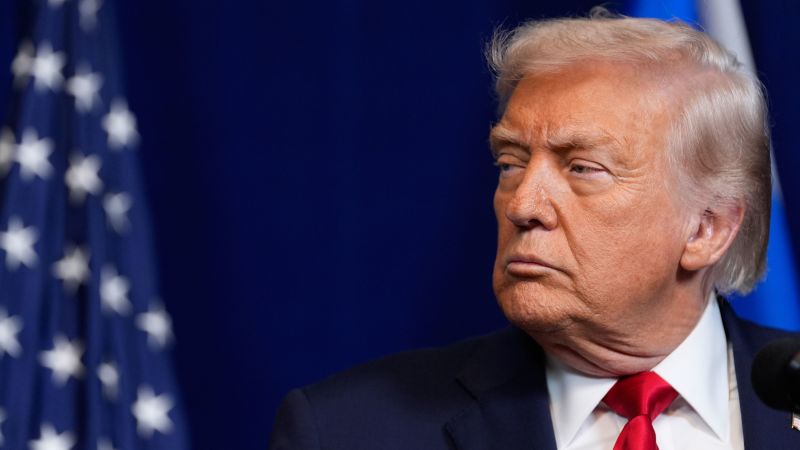
President Donald Trump has sought to quell rising public concerns regarding his health, following recent disclosures about his medical history. As the oldest person to assume the U.S. presidency, Trump has faced scrutiny over visible bruises, fatigue during public appearances, and the nature of his recent medical assessments. In an interview with the Wall Street Journal, he attributed the bruises to a higher-than-recommended daily dose of aspirin and asserted that he remains energetic and fit for his duties.
During the interview, Trump claimed he takes 325 milligrams of aspirin daily, a dosage significantly above the standard recommendation of 81 milligrams for cardiovascular prevention. He suggested this higher intake promotes “nice, thin blood,” which he believes supports heart health. Critics, however, have raised questions about the wisdom of such a regimen, particularly given the associated risks of gastrointestinal bleeding, especially for individuals without pre-existing heart conditions.
Medical Oversight and Recent Health Assessments
The physician currently overseeing Trump’s health, Dr. Sean Barbabella, a Navy captain appointed in March, has defended the president’s medical evaluations. He described Trump’s recent imaging and physical examination as routine. Barbabella stated, “President Trump’s medical evaluations and laboratory results continue to show excellent metabolic health, putting his cardiovascular health 14 years younger than his actual age.”
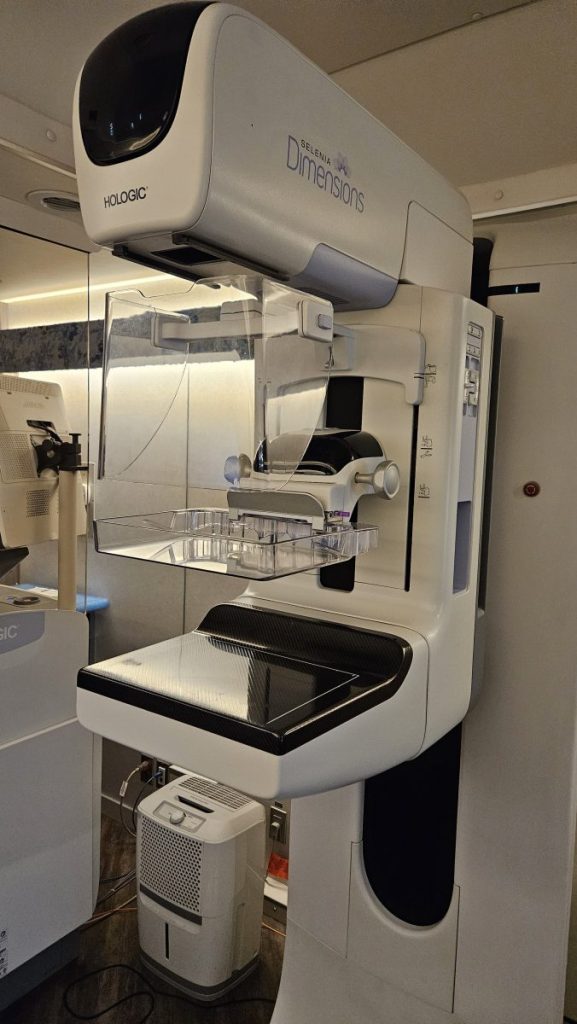
In October, Trump underwent what he initially referred to as an MRI, but later clarified to the Journal that it was a CT scan. According to Barbabella, this procedure was performed to rule out any cardiovascular issues and yielded no abnormalities. Such scans are typically used to assess long-term heart attack risk and determine potential blockages, although they do not provide definitive proof of heart health.
Former personal physicians, including Dr. Ronny Jackson and Dr. Sean Conley, have previously touted Trump’s fitness. Jackson, who served as President Barack Obama‘s physician before Trump, famously declared the president to have “incredible genes.” Conley, who treated Trump during his COVID-19 infection, also affirmed the president’s good health despite the scrutiny he faced.
Public Perception and Cognitive Assessments
Despite Trump’s assurances, doubts persist regarding his cognitive and physical well-being. He recently reiterated his belief that all presidential candidates should undergo cognitive assessments, announcing that he scored “100%” on his third cognitive test. The exact nature of this test remains unclear, although Trump previously took the Montreal Cognitive Assessment, a brief screening tool designed to detect cognitive impairment.
Trump’s insistence that he has “nothing to hide” contrasts sharply with his previous criticisms of his predecessor, Joe Biden. The White House spokesperson, Karoline Leavitt, emphasized Trump’s transparency regarding his health, framing it in stark contrast to Biden’s approach.
In the recent interview, Trump also expressed regret over disclosing details about his CT scan, suggesting that it provided ammunition for his critics. He cited minimal sleep and a lack of enthusiasm for exercise as elements of his lifestyle, which raised alarm among health experts. Dr. Fahmi Farah, a cardiologist, noted that insufficient sleep can significantly impact cardiovascular health, increasing the risk of serious conditions.
As Trump navigates the complex interplay between his health disclosures and public perception, he continues to maintain that his genetic predisposition plays a key role in his overall health. While genetics indeed contribute, experts stress the importance of a balanced lifestyle, including diet and exercise, in mitigating health risks as individuals age.
The discourse surrounding Trump’s health not only reflects personal stakes but also highlights broader implications for public health discussions in the political arena. As the 2024 election approaches, the intersection of health and politics is likely to remain a focal point of public interest.