The Federal Aviation Administration (FAA) announced the reopening of Caribbean airspace to US airlines effective midnight on January 4, 2023. This decision allows airlines to resume service to numerous airports across the region, following a temporary suspension that left thousands of passengers stranded. The FAA had issued an emergency Notice to Airmen (NOTAM) earlier on January 3 due to a significant US military operation in Caracas, Venezuela.
The airspace restrictions, which began at 06:00 Eastern Time on January 3, were implemented as part of an operation involving approximately 150 US military aircraft. This included jets, helicopters, and drones, aimed at capturing Venezuelan leader Nicolás Maduro. The FAA’s decision to close the airspace was a precautionary measure following a series of near-miss incidents, raising concerns about potential midair collisions.
According to Sean Duffy, the US Secretary of Transportation, the restrictions will expire at 12:00 am ET, allowing airlines to quickly reactivate their schedules. Duffy stated on his social media platform, “The original restrictions around the Caribbean airspace are expiring… Airlines are informed, and will update their schedules quickly. Please continue to work with your airline if your flight was affected by the restrictions.”
Airlines Prepare for Service Resumption
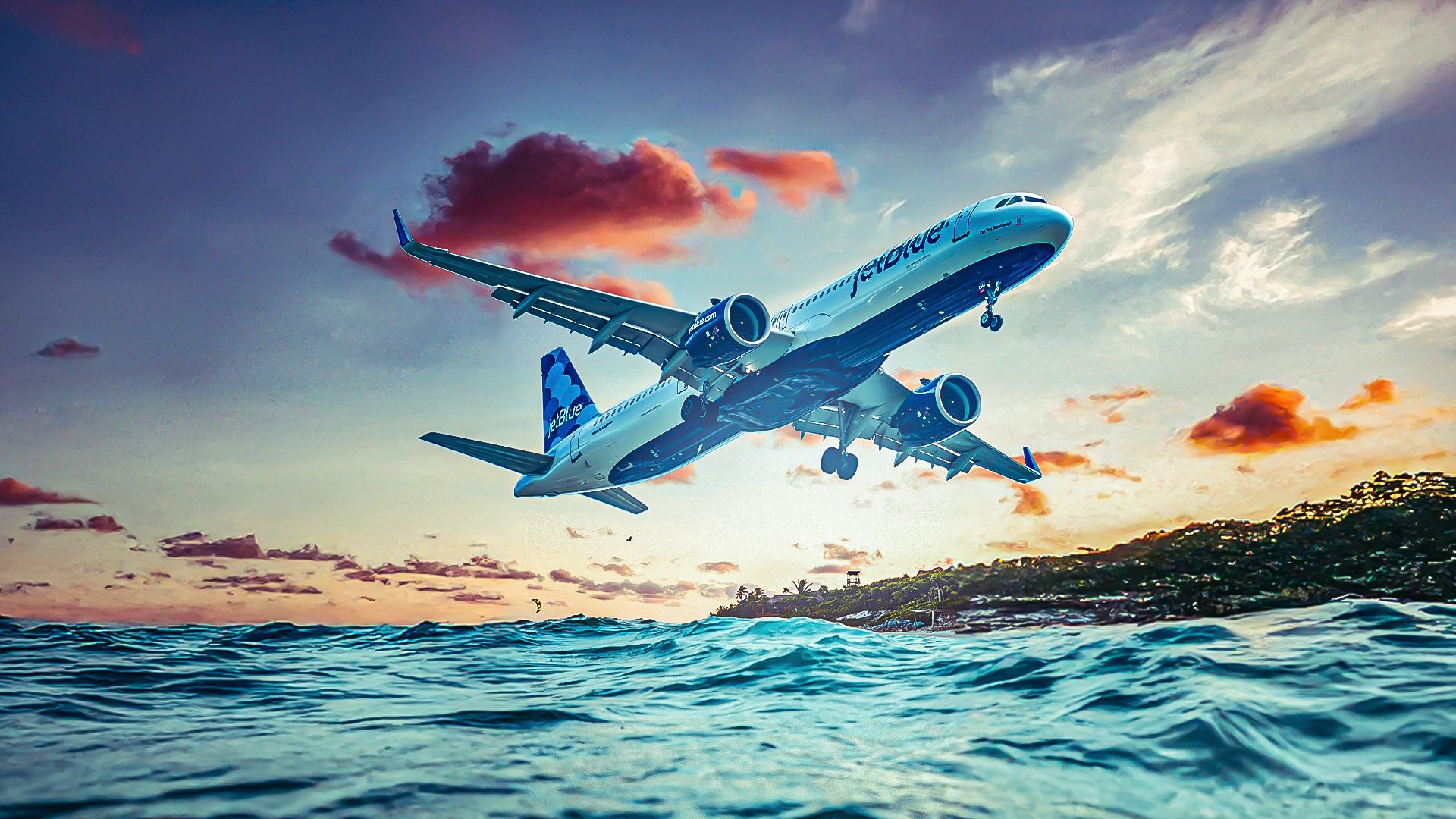
In light of the FAA’s announcement, airlines are preparing to restart their Caribbean operations. JetBlue and Delta Air Lines were among the hardest hit by the airspace closure, with JetBlue canceling over 200 flights and Delta scrapping more than 100. JetBlue has communicated its intention to resume normal operations on January 4 and plans to add flights to select routes as opportunities arise.
The impact of the airspace shutdown was felt across the Caribbean, particularly at San Juan Luis Muñoz Marín International Airport (SJU) in Puerto Rico, which reported around 400 flight cancellations on the affected day. Other airports, including Cyril E. King Airport (STT) in the US Virgin Islands and Queen Beatrix International Airport (AUA) in Aruba, also experienced significant disruptions, each recording approximately 100 cancellations.
The chaos extended to the US as well, with Miami International Airport (MIA) facing the most cancellations among US hubs, reporting over 100 canceled flights and more than 400 delays on January 3.
Passenger Impact and Future Outlook
The timing of the airspace closure was particularly disruptive, occurring during a busy travel period following the New Year. Many travelers found themselves stranded overnight in unfamiliar locations, while others faced disappointment when their plans to visit the Caribbean were thwarted.
As airlines work to restore their schedules, passengers are advised to stay in contact with their respective carriers for updates. The situation highlights the delicate balance between national security operations and the essential services that airlines provide, demonstrating the interconnectedness of aviation and global events.
With the FAA’s lifting of restrictions, the Caribbean air travel landscape is set to normalize, providing relief for stranded passengers and airlines alike as they navigate the aftermath of this unprecedented airspace shutdown.