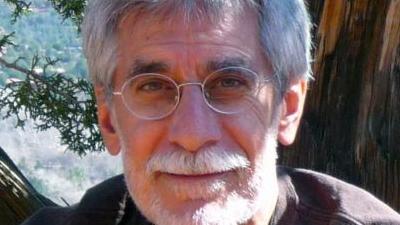
URGENT UPDATE: In an empowering analysis, biologist and editorialist Richard Brusca urges Americans to embrace the resilience of democracy, asserting that it is far from dead. His statement comes as concerns over the future of democratic governance intensify across the nation.
Brusca emphasizes that the American experiment with democracy is still in its infancy, only 250 years old. He draws comparisons to ancient cultures such as the Maya, which has thrived for over 5,000 years, and the Tohono O’odham, showcasing that the U.S. is still on its journey to cultural maturity.
Highlighting the Nov. 4, 2025
Brusca insists that many politicians are committed to serving the public good rather than pursuing personal power. He notes a significant public sentiment advocating for renewable energy, universal healthcare, and equitable taxation for the wealthy. “There are plenty of politicians who believe their role is to serve the people,” he adds, urging voters to support those who prioritize democracy. The call to action is clear: voters are urged to actively participate in every election. “The most important thing you can do to preserve democracy is to get out and vote,” Brusca emphasizes, highlighting the critical role of civic engagement in shaping the future. In a time when artistic expression flourishes, Brusca reminds readers that American culture continues to produce powerful music, literature, and art. He encourages support for cultural initiatives, noting that beauty and wisdom still exist in America. “You just have to look in the right places,” he states, inspiring hope in the face of adversity. This analysis comes at a pivotal moment as Americans prepare for the upcoming elections, with democracy hanging in the balance. Brusca’s insights serve as a rallying cry for citizens to engage, reflect, and act to ensure a vibrant democratic future. As we approach the midterm elections, the message is loud and clear: every vote counts. The future of American democracy depends on active participation and unwavering belief in its principles.