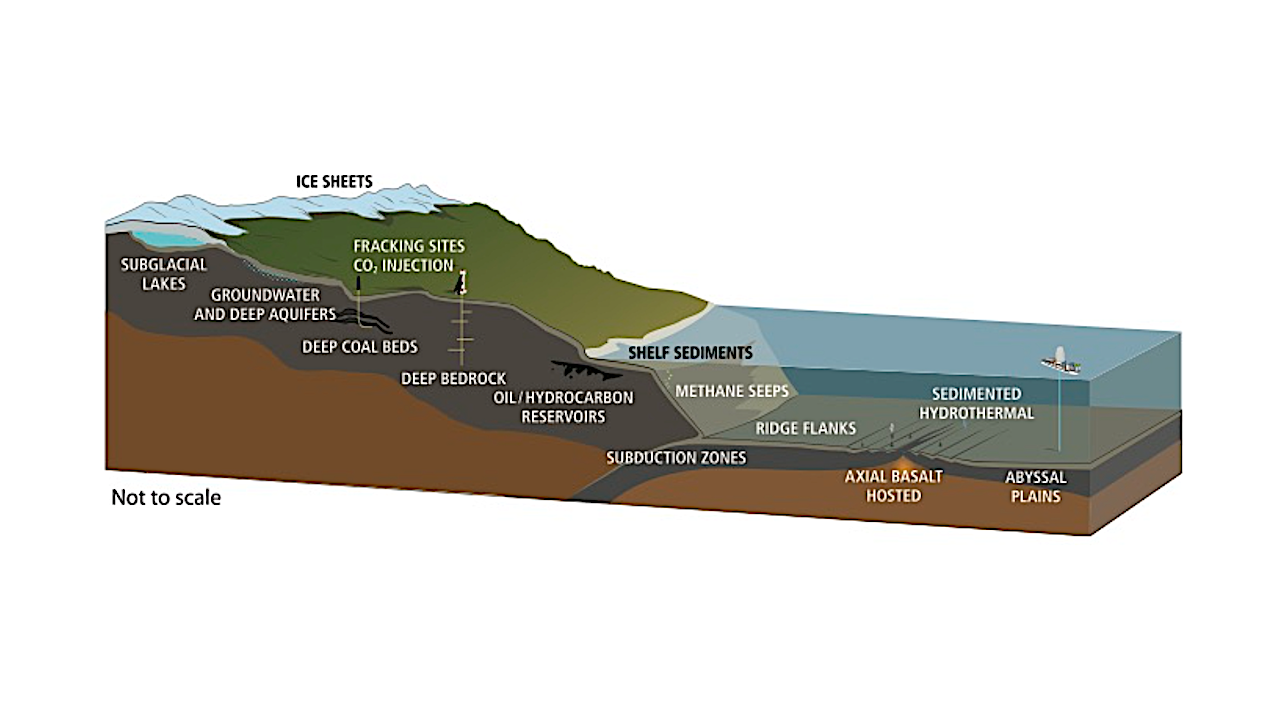
Subsurface microbiology is undergoing significant evolution, moving beyond initial inquiries about microbial presence to a deeper understanding of their functional roles and the processes that limit their existence. This research is increasingly vital as it aligns with urgent societal needs, particularly in the realms of climate change mitigation and waste management. Both of these critical challenges involve subsurface environments, highlighting the necessity for enhanced exploration in this field.
The demand for robust subsurface sampling and research funding is becoming pressing. Unfortunately, opportunities for sampling and financial support have faced constraints, and in some instances, have diminished. This situation necessitates a reevaluation of priorities and strategies within the scientific community to advance our understanding of subsurface microbial life.
Importance of Addressing Subsurface Microbiology
Research into subsurface microbiology is essential for developing solutions to climate-related issues and effective waste disposal. Subsurface microorganisms play a crucial role in biogeochemical processes that can either exacerbate or alleviate environmental problems. As we strive to combat climate change, understanding these microorganisms’ functionalities becomes increasingly important.
This perspective article aims to engage scientists with an interest in the geomicrobiology of the subsurface, as well as funding agencies and professionals involved in extractive and waste disposal industries. It summarizes the history and current status of subsurface science while suggesting actionable steps for future progress.
Strategies for Advancement
One of the primary recommendations is the active involvement of early-career microbiologists in drilling projects. Their engagement can bring fresh ideas and innovative approaches to subsurface research. Additionally, fostering partnerships with industry can significantly enhance access to necessary resources and technologies for effective microbiological studies.
Promoting microbiology-led drilling initiatives is vital for ensuring that microbial perspectives are integrated into subsurface exploration. Furthermore, interdisciplinary collaboration should be prioritized during the planning of drilling projects. By including microbiologists from the outset, researchers can maximize the potential for groundbreaking discoveries that address both scientific and societal needs.
As the field of astrobiology continues to evolve, understanding subsurface microorganisms will also shed light on the possibilities of life beyond our planet. The intersection of microbiology and astrobiology opens up exciting avenues for exploration and understanding of life in extreme environments.
In conclusion, the future of subsurface microbiology depends on collective action from scientists, funding agencies, and industry leaders. By prioritizing research in this area, we can better address pressing societal challenges and enhance our understanding of life below the surface.