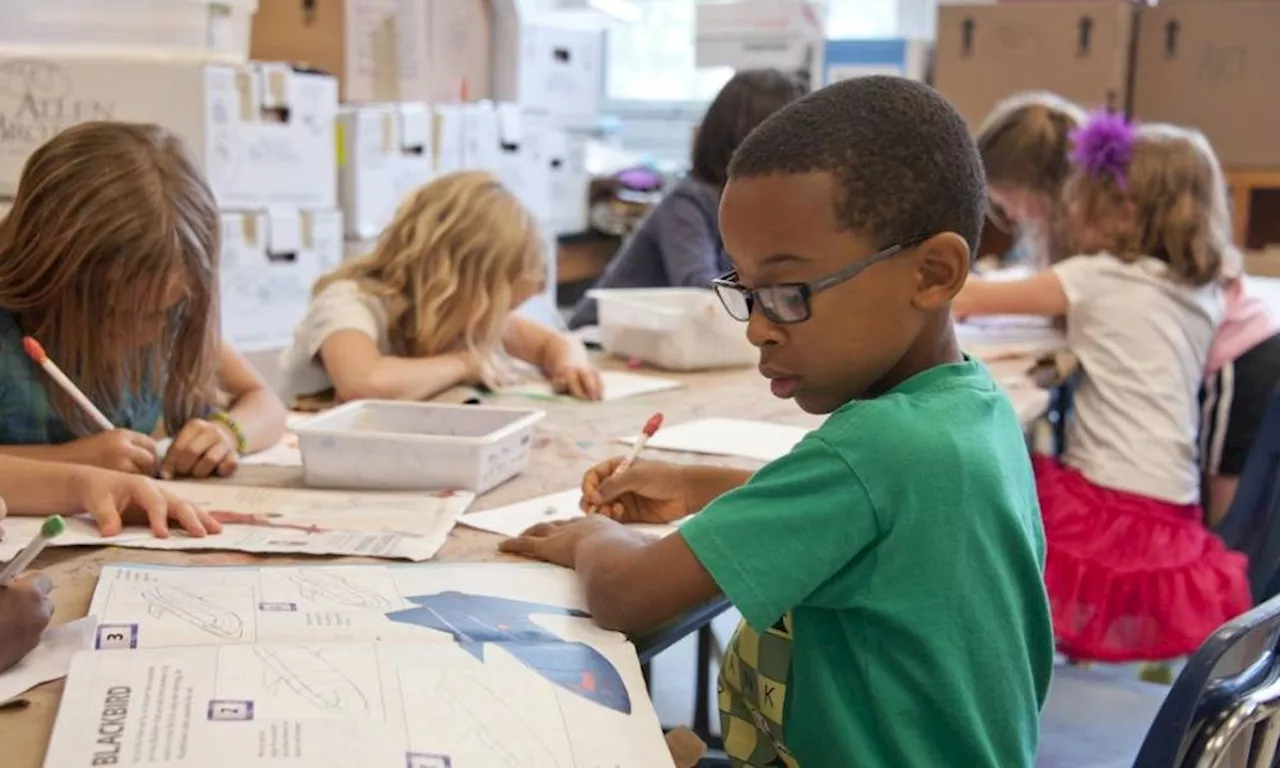
URGENT UPDATE: As schools across the United States resume sessions after summer break, psychologists are emphasizing a crucial aspect of back-to-school preparation: emotional health. Parents are urged to prioritize teaching their children emotional intelligence skills, which are essential for their overall well-being.
Experts from the Yale Center for Emotional Intelligence highlight that while parents typically prepare their children with academic supplies and extracurricular activities, emotional readiness is often overlooked. This year, parents are called to equip their kids with the tools necessary to navigate their feelings, especially as they face new routines and academic pressures.
Latest findings reveal that emotional intelligence significantly impacts a child’s academic performance, self-esteem, and long-term mental health. According to Robin Stern, Ph.D., co-founder of the Yale Center, “Emotions are data. They tell us what matters.” As children encounter a mix of excitement, anxiety, and self-doubt at the start of the school year, understanding and managing these emotions is vital.
Psychologists recommend six strategies for parents to foster emotional intelligence:
1. **Create Open Communication**: Encourage children to express their feelings and check in on their emotional state regularly.
2. **Teach Emotional Vocabulary**: Help children articulate their feelings using specific terms rather than general ones, like “frustrated” or “embarrassed.”
3. **Use Helpful Apps**: Introduce resources that allow kids to explore their emotions and discover healthy regulation strategies.
4. **Develop Coping Plans**: Assist kids in identifying strategies that help them when feeling overwhelmed or anxious.
5. **Celebrate Efforts**: Value how children handle challenges, reinforcing that emotional responses matter more than grades or trophies.
6. **Model Emotional Awareness**: Parents should demonstrate self-awareness in their emotional responses to teach by example.
Experts stress that regular emotional check-ins should become a family ritual—during dinner or while commuting—normalizing conversations around feelings. Parents are reminded to seek support from school counselors or mental health professionals if they notice ongoing signs of distress in their children.
As the school year progresses, parents have an opportunity not just to help their kids survive but to equip them with essential life skills. By modeling emotional intelligence, families can create a supportive environment that fosters growth and resilience, setting the stage for success both in school and beyond.
Stay tuned as more updates on emotional health strategies for children continue to develop. This back-to-school season, let’s ensure our kids are prepared not just academically but emotionally as well.