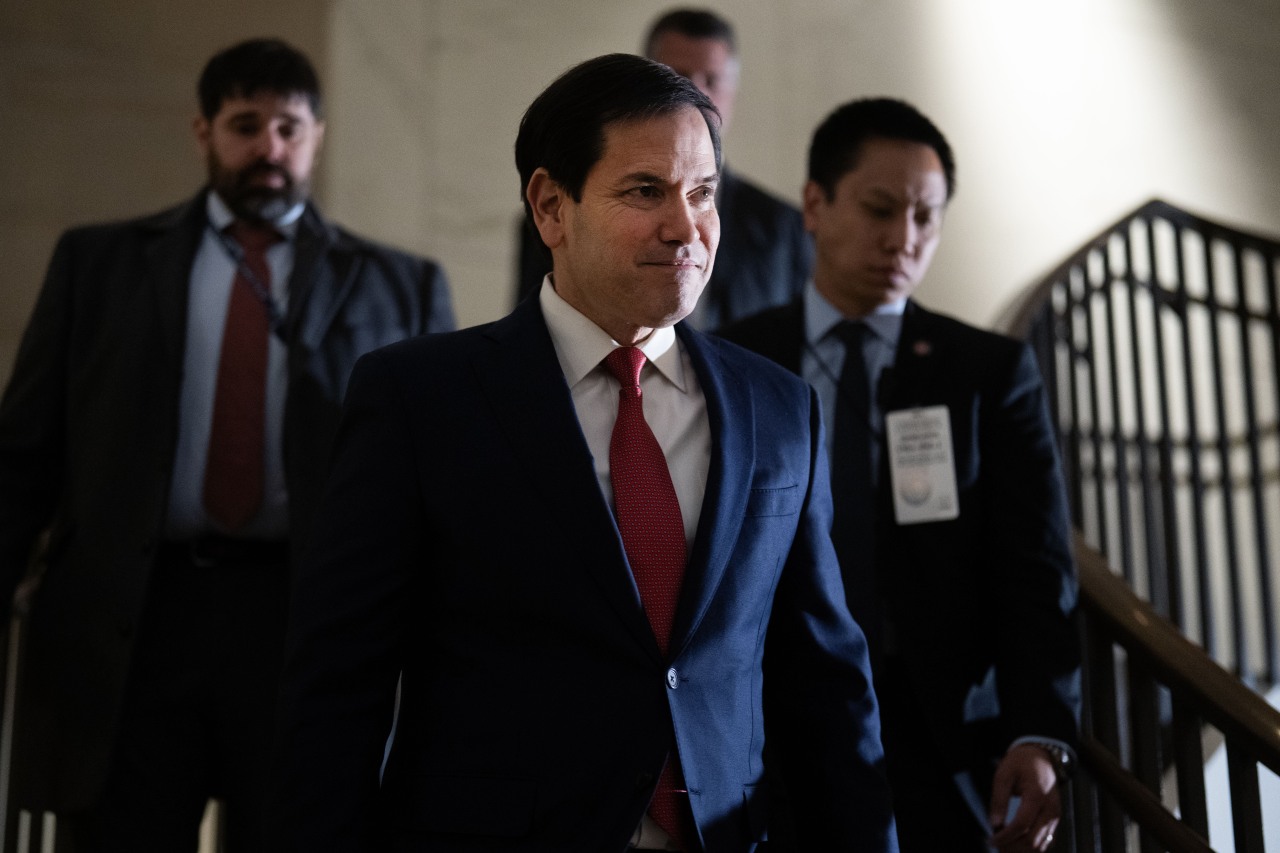
Marco Rubio, the current Secretary of State of the United States, has notably shifted his political stance over the years, transitioning from a sharp critic of former President Donald Trump to one of his closest advisers. This evolution has opened new avenues for Rubio, particularly in his long-standing ambition to influence change in Latin America.
Rubio’s political journey has not been without its complexities. Initially, during the 2016 presidential campaign, he openly criticized Trump’s approach and rhetoric. Yet, as his term progressed, Rubio embraced the MAGA movement, aligning himself more closely with Trump’s policies. This shift has empowered him to play a significant role in shaping U.S. foreign policy towards Latin America.
Shifting Alliances and New Opportunities
The transformation in Rubio’s political alignment has allowed him to influence key policies directly. His office has been instrumental in advocating for democratic reforms and economic development initiatives in several Latin American countries. As a result, he has established himself as a pivotal figure for the Republican Party regarding Latin American affairs.
Recent developments suggest that Rubio’s approach is not merely about aligning with Trump but also about leveraging that relationship to create tangible changes in the region. According to statements from the U.S. State Department, Rubio has focused on fostering partnerships aimed at addressing issues such as corruption, human rights abuses, and economic instability in Latin America.
Rubio’s efforts appear to be bearing fruit. In 2023, several bilateral meetings took place between U.S. officials and leaders from various Latin American nations, seeking to strengthen ties and promote stability. These actions demonstrate a commitment not only to political alignment but also to the welfare of the region.
A Vision for the Future
Looking ahead, Rubio is expected to play a critical role in the upcoming 2024 presidential election. His experience and evolving relationship with Trump may position him as a key player in the Republican strategy for Latin America. Analysts suggest that his unique insights could influence party policies significantly.
Rubio’s long-held dream of effecting change in Latin America remains alive. By aligning with the Trump administration’s vision, he has opened doors that could lead to substantial reforms in the region. As global dynamics shift, the focus on Latin America may well intensify, with Rubio at the forefront of these efforts.
In conclusion, Marco Rubio’s transformation from critic to ally of Donald Trump marks a significant milestone in his political career. It not only reflects a personal evolution but also highlights the potential for impactful change in Latin America through strategic partnerships and targeted policies. As the political landscape evolves, Rubio’s influence may shape the future of U.S.-Latin American relations for years to come.